How Much Does a Trip to China Cost? 1-Week & 2-Week Budget Breakdown
Excluding international flights, mid-range travelers spend $90–$140 per day in China ($650–$1,000 for 1 week; $1,300–$1,950 for 2 weeks). Detailed breakdown of hotels, bullet trains, meals, and zero-tipping savings.
· By Yunjie
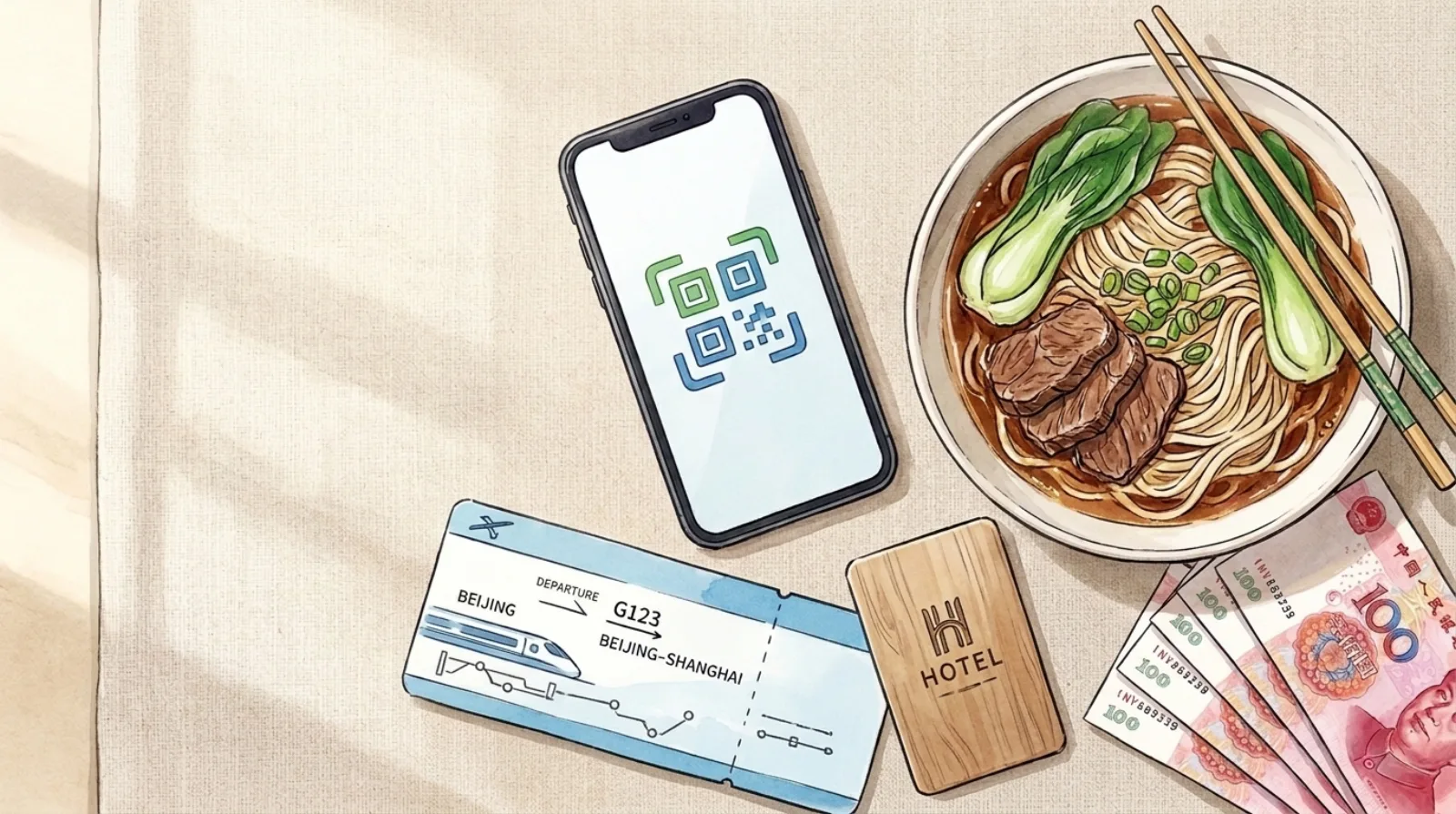
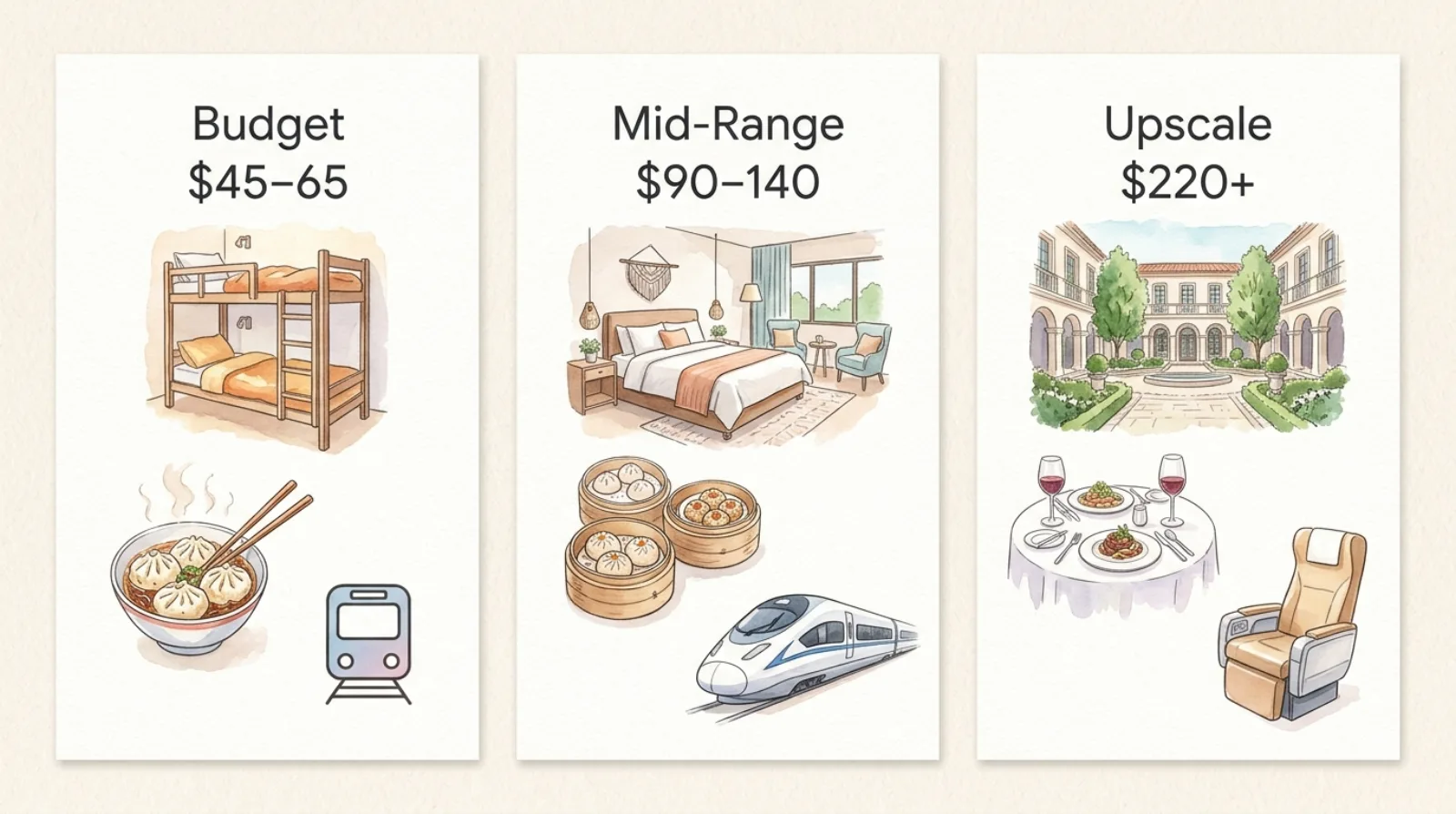
Excluding international flights, most mid-range travelers spend $90–$140 per person per day in China—roughly $650–$1,000 for 1 week or $1,300–$1,950 for 2 weeks—covering clean 4-star hotels, high-speed trains, major attraction tickets, and generous local meals. Shoestring backpackers can comfortably travel on $45–$65 per day, while upscale travelers staying in 5-star international brands should budget $220+ per day. Because China has zero tipping culture and ultra-cheap urban transit, your daily spend goes far further than in Japan, Europe, or the United States.
Many first-time visitors expect Shanghai and Beijing to cost as much as Tokyo or London. In reality, while 5-star luxury hotels match Western pricing, everyday essentials—metro rides ($0.50), DiDi taxis ($2–$6), steaming bowls of handmade noodles ($2.50–$4), and reliable 4-star domestic business hotels ($55–$90)—make China one of the strongest value-for-money travel destinations in Asia.
Daily & Total Trip Budget by Travel Style (Per Person, Excl. International Flights)
(Converted at roughly CNY 7.1–7.3 = USD 1 for practical planning.)
| Expense Category | Budget / Backpacker | Mid-Range Comfort (Most Popular) | Upscale / Luxury |
|---|---|---|---|
| Accommodation (per night) | $15–$30 (CNY 110–220, hostels or budget inns) |
$55–$95 (CNY 400–680, modern 4-star hotels, split by 2 = $28–$48) |
$150–$300+ (CNY 1,100+, 5-star hotels) |
| Food & Coffee (per day) | $10–$18 (CNY 70–130, noodles, dumplings, bakeries) |
$20–$38 (CNY 145–275, hotpot, roast duck, cafes) |
$60–$120+ (fine dining, cocktail bars) |
| Local Transit (per day) | $2–$4 (metro & buses) | $5–$12 (metro + 2–3 DiDi rides) | $25–$60 (private car / DiDi Luxe) |
| Attractions (avg/day) | $8–$15 | $12–$25 (incl. cable cars & day trips) | $35–$80 (private guides, VIP slots) |
| Intercity High-Speed Rail (avg/day) | $10–$15 (2nd Class / overnight sleeper) | $15–$25 (2nd Class G-trains) |
$45–$90 (1st Class / Business Class) |
| Daily Total (Solo) | $45–$65 / day | $90–$140 / day | $220–$450+ / day |
| 1-Week Total (7 Days) | $315–$455 | $650–$1,000 | $1,550–$3,150+ |
| 2-Week Total (14 Days) | $630–$910 | $1,300–$1,950 | $3,100–$6,300+ |
Tip for couples or friends: Splitting a $70/night 4-star hotel room immediately drops your mid-range daily spend closer to $75–$105 per person.
Real-World Prices: What Everyday Things Actually Cost
1. Hotels & Accommodation
China's domestic mid-range chains—such as Atour (亚朵), JI Hotel (全季), and Orange Crystal (桔子水晶)—deliver spotless rooms, strong Wi-Fi, and modern bathrooms for CNY 350–650 ($48–$90) in Beijing and Shanghai, and CNY 220–420 ($30–$58) in Chengdu, Xi'an, Chongqing, and Guilin. Always verify your hotel accepts foreign passports before paying (see our foreigner hotel booking guide).
2. Food & Drinks (With Zero Tipping)
- Local breakfast (steamed buns, soy milk, jianbing crepe):
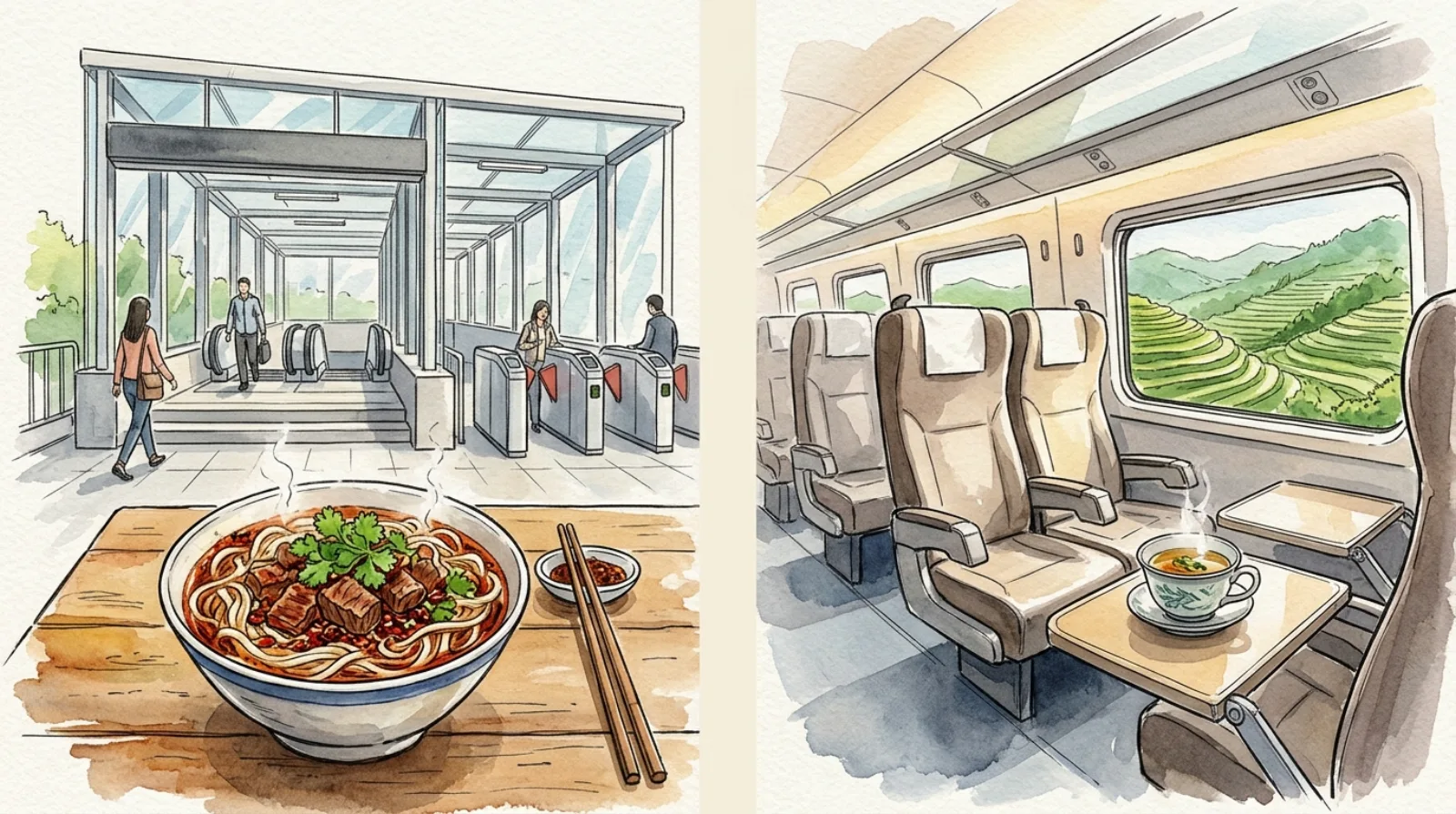
CNY 8–18($1.10–$2.50) - Bowl of Lanzhou beef noodles, Chongqing xiaomian, or dumplings:
CNY 15–30($2–$4) - Coffee (Luckin Coffee / Manner Coffee):
CNY 10–20($1.40–$2.80); StarbucksCNY 32–42($4.50–$6) - Sit-down dinner (Sichuan hotpot, dim sum, or Peking duck share):
CNY 70–150($10–$21) per person - Tipping: $0. Tipping is not expected anywhere in Mainland China—instantly saving you
15%–20%compared with dining in the US (read our China travel essentials: tipping, water & plugs guide).
3. Transportation (Trains, Metro & DiDi)
- City Metro:
CNY 3–7($0.40–$1.00) per ride across Beijing, Shanghai, Chengdu, and Chongqing. - DiDi Ride-Hailing: Base fare starts around
CNY 10–15($1.40–$2.10); a 20-minute cross-town ride averagesCNY 25–45($3.50–$6.20)—see our DiDi in China guide. - High-Speed Rail (2nd Class Examples):
- Shanghai → Hangzhou (
45 min): fromCNY 73(~$10) - Guangzhou → Shenzhen (
29 min): fromCNY 74.5(~$10) - Beijing → Xi'an (
4.5 hrs):~CNY 515(~$71) - Beijing → Shanghai (
4.5 hrs):~CNY 553–662(~$76–$92) (Book early using our China train ticket booking guide.)
- Shanghai → Hangzhou (
4. Major Attraction Tickets (Surprise Cost Area)
While city parks and national museums are often free, headline scenic areas and mountain cable cars add up quickly:
- Forbidden City (
故宫):CNY 40(off-season Nov–Mar) /CNY 60(peak Apr–Oct) - Terracotta Warriors (
兵马俑):CNY 120 - Mutianyu Great Wall (entry + shuttle + round-trip cable car/toboggan):
~CNY 200 - Zhangjiajie National Forest Park (4-day pass + Bailong Elevator / cable cars):
~CNY 350–450total - Harbin Ice and Snow World:
~CNY 328 - Shanghai Disneyland:
CNY 475–799depending on weekday vs holiday tier (Book real-name tickets in advance using our China attraction tickets guide.)
5. Pre-Trip Essentials (eSIM & Visa)
- China Travel eSIM (with built-in bypass for Google/WhatsApp):
$15–$35for 10–15 days (see our China eSIM guide). - Visa fee:
$0if you qualify for 30-day visa-free entry or 240-hour visa-free transit; roughly$140–$185if applying for a standard touristLvisa (varies by nationality).
Three Easy Ways to Avoid Hidden Fees in China
- Watch the CNY 200 Alipay / WeChat Pay Foreign Card Fee: Both Alipay and WeChat Pay waive international card fees on any single transaction of CNY 200 or less. Once a single payment exceeds
CNY 200(~$28), a 3% fee applies. On restaurant or shop bills overCNY 200, ask if you can pay directly with a zero-FX physical Visa/Mastercard at larger hotels/malls, or split orders when convenient (details in our Alipay and WeChat Pay guide). - Avoid Peak Chinese Holidays: During October 1–7 (Golden Week), May 1–5, and Lunar New Year, hotel rates in Beijing, Guilin, and Sanya routinely double or triple. Traveling in November–mid-December or March–April cuts hotel costs by
30%–50%. - Compare 12306 vs Trip.com Train Fees: Trip.com charges a small English-booking service fee (
~$3–$6per ticket). For 1 or 2 rides it is worth the convenience; for a 6-leg 2-week China itinerary, verifying your passport on the official Railway 12306 App saves$25–$40.
Frequently Asked Questions
Is China cheaper than Japan or Thailand?
China sits right between the two: noticeably cheaper than Japan for hotels, intercity high-speed trains, and sit-down restaurant meals, and slightly more expensive than Thailand for major attraction tickets and long-distance rail, though street food and city metros cost roughly the same as Bangkok.
How much cash (CNY) should I bring to China?
Almost none—CNY 300–500 ($40–$70) in small bills is plenty for an entire 2-week trip as an emergency backup. Over 98% of daily purchases from street stalls to bullet trains run through Alipay and WeChat Pay linked to your foreign debit or credit card.
Which cities in China are the most expensive vs cheapest?
Shanghai, Beijing, and Sanya (in winter) are the priciest for hotels and international dining. Chengdu, Chongqing, Xi'an, and Guilin offer exceptional value—you can stay in stylish 4-star hotels for $45–$65/night and eat full feasts for under $12 per person.
Last checked: November 22, 2026.