Booking attraction tickets in China is messier than in Europe or the US. There's no GetYourGuide-style platform that covers everything, most major sites tie tickets to your passport number, and the famous ones cap daily visitors — the caps sell out days ahead on popular weekends. First-time visitors routinely lose a day because they showed up at a gate expecting to just buy a ticket.
The good news: you don't need to memorize rules for a hundred attractions. You need one skill — knowing where any given site sells its tickets — plus one habit: treating your passport number like the ticket itself, because it is.
Where to book: try these in order
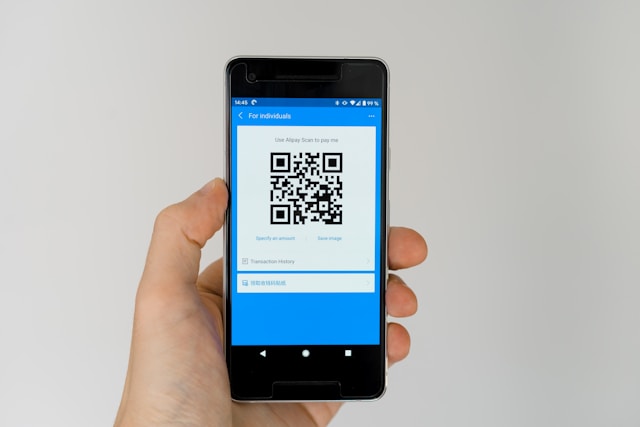
Start with Trip.com. English interface, takes international cards, and covers the overwhelming majority of places a foreign visitor actually goes — the Forbidden City, every major Great Wall section, Suzhou gardens, the Chengdu panda base, most city museums. You pay a small markup (roughly 5–15% over the gate price), which on a one- or two-week trip is simply worth it for the English support. At the gate, you show a QR code or your passport.
If Trip.com doesn't list it, the attraction sells through its own WeChat account. This is where small regional gardens, temples, and provincial museums live, because their audience is domestic tourists. Open WeChat, search the attraction's Chinese name plus 门票 or 预约, look for the verified account, and work through the Chinese menus with a translation app on a second phone. Annoying, doable.
Meituan (美团) is the fallback between those two — same real gate prices as the official accounts, Chinese-only but with a friendlier interface, and it sometimes still has inventory when Trip.com shows sold out.
Two situations where you should skip Trip.com and go official even when Trip.com lists the site: when Trip.com shows sold out (official channels release their own batches — the Forbidden City drops tickets at ticket.dpm.org.cn at 20:00 Beijing time, 7 days ahead, and those batches sometimes have seats Trip.com doesn't), and when you're traveling for a month and the service fees start adding up.
One more wrinkle: a growing set of top museums — the National Museum, Shanghai Museum, Shaanxi History Museum, Suzhou Museum — are free but reservation-required, through a WeChat mini-program only, no English path. Counterintuitively these are often harder to get than paid tickets: free means everyone books one. Treat them like hot tickets, not like free ones.
The passport rule
This is the single thing to get right, so here it is once, completely.
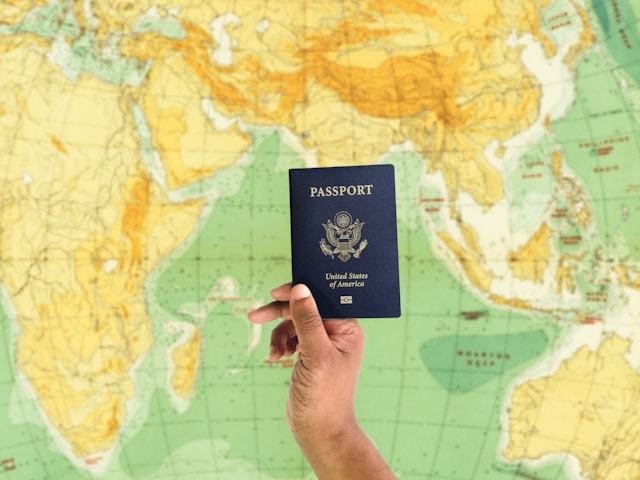
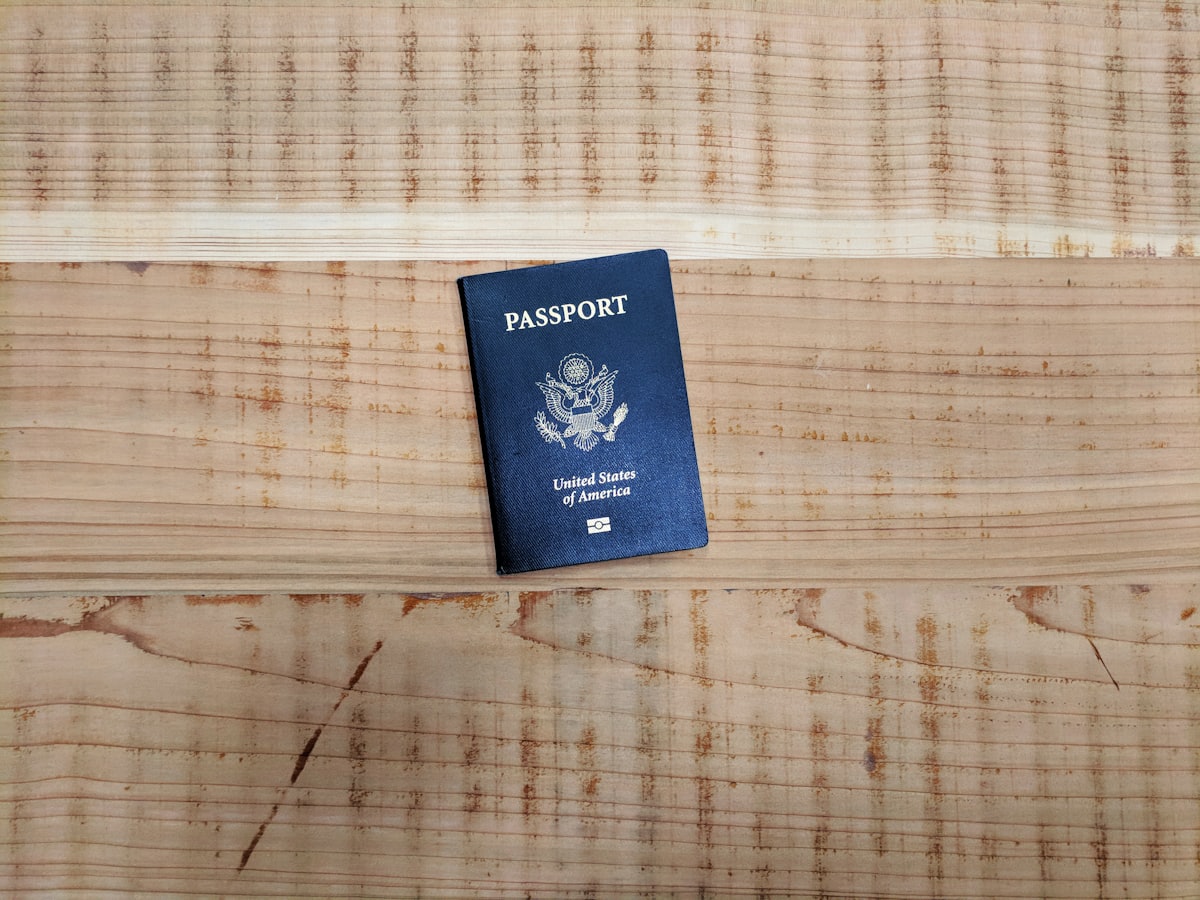
Every real-name ticket is tied to a passport number, and the gate scans your physical passport against the booking — not a photo of it, not a photocopy. The biggest cause of "I couldn't get in" stories isn't sold-out tickets; it's a mistyped passport number discovered at the gate. So: book with the passport you'll actually carry, paste the number exactly as printed (no stray spaces), and put every companion's passport on the booking — everyone gets checked individually. A Chinese friend can pay for the booking, but the booking must carry your number; their account doesn't help you through the gate.
Save your passport number in your phone's notes so you paste it instead of typing it. That one habit prevents most of the failure stories.
Mondays and Chinese holidays
A large share of major attractions — the Forbidden City, most big museums, many imperial sites — close every Monday except during Chinese public holidays. Check for Monday conflicts before you lock an itinerary; a Monday in Beijing is your Great Wall day.
And if your dates are flexible, stay away from the big three holiday periods: Golden Week (October 1–7), May Day (around May 1), and Spring Festival (late January to mid-February). Daily caps bite hardest, prices spike, and every famous site becomes a crowd-management exercise. April–May and September–October outside those windows are dramatically easier.
Beijing quick reference
Beijing has more reservation-required sites than any other city, so here's the lookup table for the six everyone asks about:
| Attraction | Where to book | Price | How far ahead |
|---|---|---|---|
| Forbidden City (故宫) | ticket.dpm.org.cn, releases 20:00 Beijing time, 7 days ahead | ¥60 peak (Apr–Oct), ¥40 off-peak; +¥10 each for Treasure / Clock galleries | 7 days — weekend slots go within minutes |
| Temple of Heaven (天坛) | Official site or Trip.com | ¥15 park; combo ticket recommended | Day before is fine |
| Summer Palace (颐和园) | Trip.com or official WeChat account | ¥20 entry / ¥50 combo (get the combo) | Advance — same-day at the gate is a gamble |
| Mutianyu Great Wall | Official WeChat account, Trip.com, or Meituan | ~¥60 entry + ~¥140 cable car | Weekdays same/next day; weekends 2–3 days |
| Badaling Great Wall | Official WeChat account 八达岭长城 | ¥40 | 1–3 days; the S2 commuter rail from Huangtudian still runs and is a scenic, cheap way out |
| Jingshan Park (景山) | Walk up, no reservation | ¥10 peak / ¥2 off-peak | None |
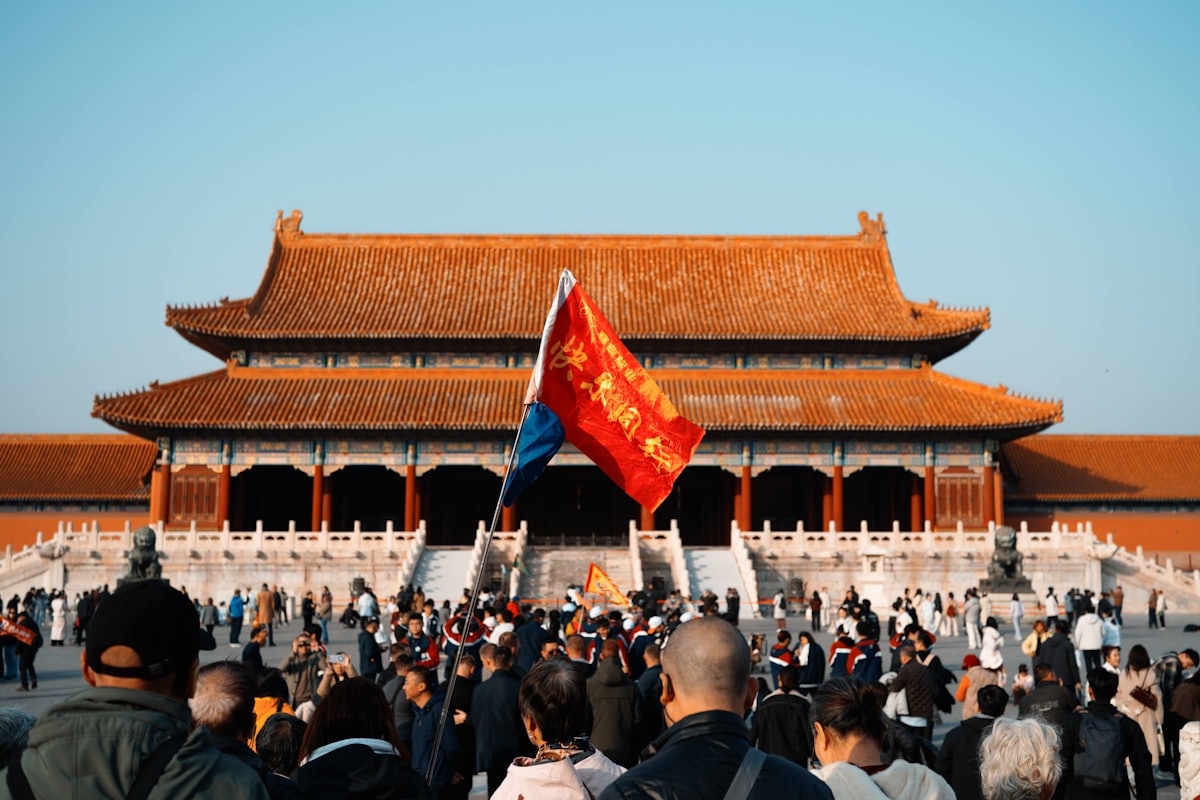
If you're building a Beijing itinerary, lock the Forbidden City first — it's the only booking with a fixed release time and minute-level competition — and let everything else flex around it. And remember its one-way flow: in at Wumen (午门) in the south, out at Shenwumen (神武门) in the north, no doubling back.

If the ticket you want is sold out
In order of effectiveness: shift your date within the release window (fresh batches drop nightly — if Thursday's gone, tonight's release might open Friday); swap to a close substitute (China is full of them — another Great Wall section, another Suzhou garden, and the #2 option is usually nearly as good); or book a small-group tour on Trip.com or Klook that comes with pre-held entry — it costs more, but it works when self-booking has failed.
What doesn't work: scalpers at the gate (fake or invalid tickets), showing up early hoping for walk-up allowance (capped sites don't keep one), or having someone book on their own identity (the gate checks your passport).
A note on Klook since it always comes up: it's stronger for Hong Kong, Macau, Taiwan, and tour bundles; Trip.com has deeper mainland inventory. For a mainland itinerary, Trip.com is the default. On refunds — Trip.com listings usually allow free cancellation 24–48 hours out; official WeChat channels vary wildly and tend to be stricter. Read the terms on anything expensive.
Before you land
Three things sorted in advance make every booking a two-minute task instead of a two-hour ordeal: Alipay or WeChat Pay working with your international card, a Trip.com account with your passport number saved to the profile, and your top-priority daily-capped bookings (the Forbidden City above all) already locked. Everything else you can book from your hotel bed the night before.
Continue planning
- Beijing Trip Preparation Checklist — the full pre-departure setup: visa, payments, apps, eSIM
- The Perfect 4-Day Beijing Itinerary — day-by-day Beijing plan with the Forbidden City booking built in
- The Perfect 3-Day Shanghai Itinerary — Shanghai day-by-day
- Suzhou Day Trip from Shanghai — the one-day garden-and-canal plan, including the museum reservation trap