Hi, I'm Yunjie — a Chinese local writing for first-time visitors
Mandarin is my first language. I've lived in Chengdu for 8 years and spent every spare weekend exploring the rest of China — by high-speed rail, on foot, and by motorcycle. I built FirstTripChina to be the practical travel guide I wish foreign friends had when they kept asking "where do I even start?"
About me
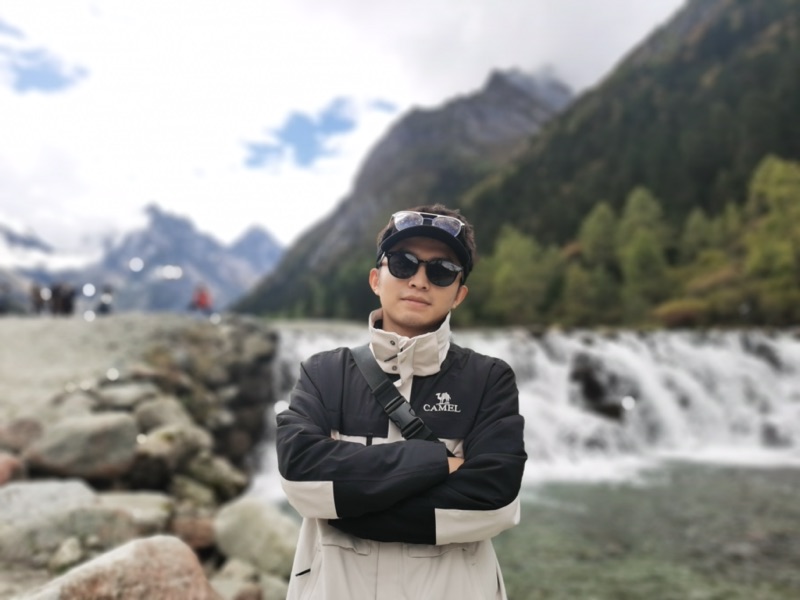
I was born in China and grew up here. I've lived in Chengdu, Sichuan for the past 8 years — a softer, slower city that most foreign travelers only discover after their first trip. Mandarin is my native language; I read government policy pages, local reviews, and WeChat travel discussions the same way you'd scroll Reddit in English.
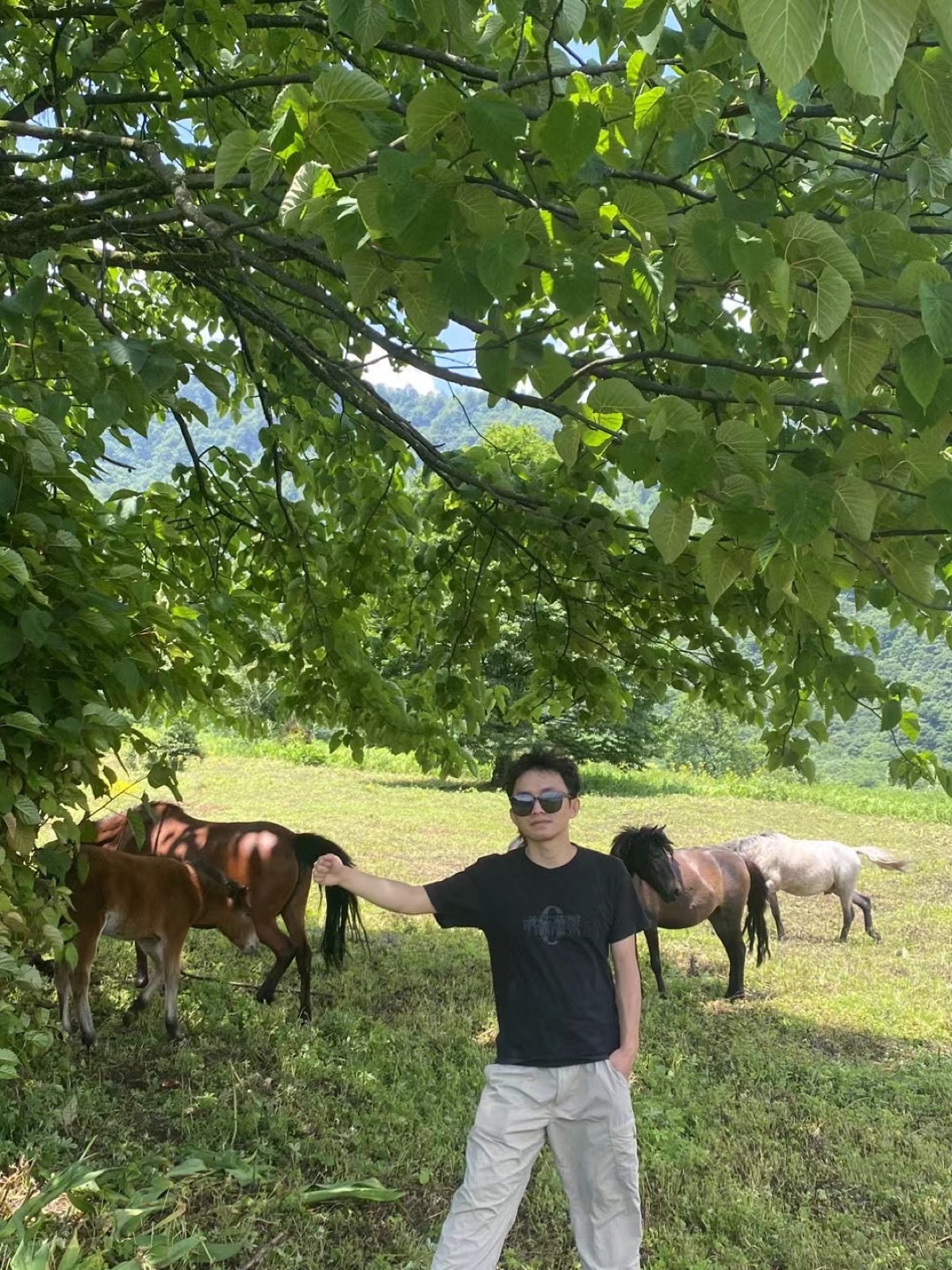
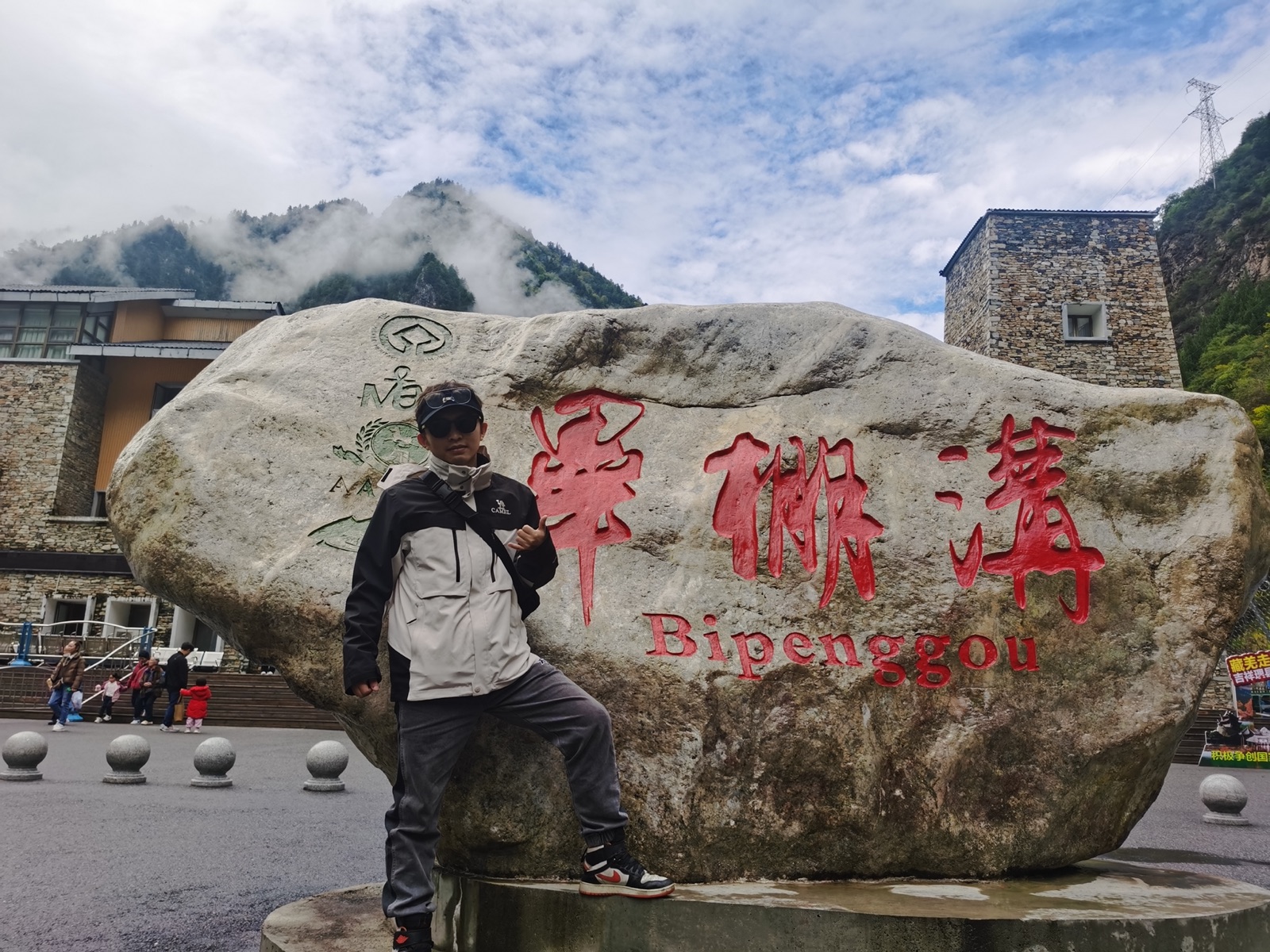
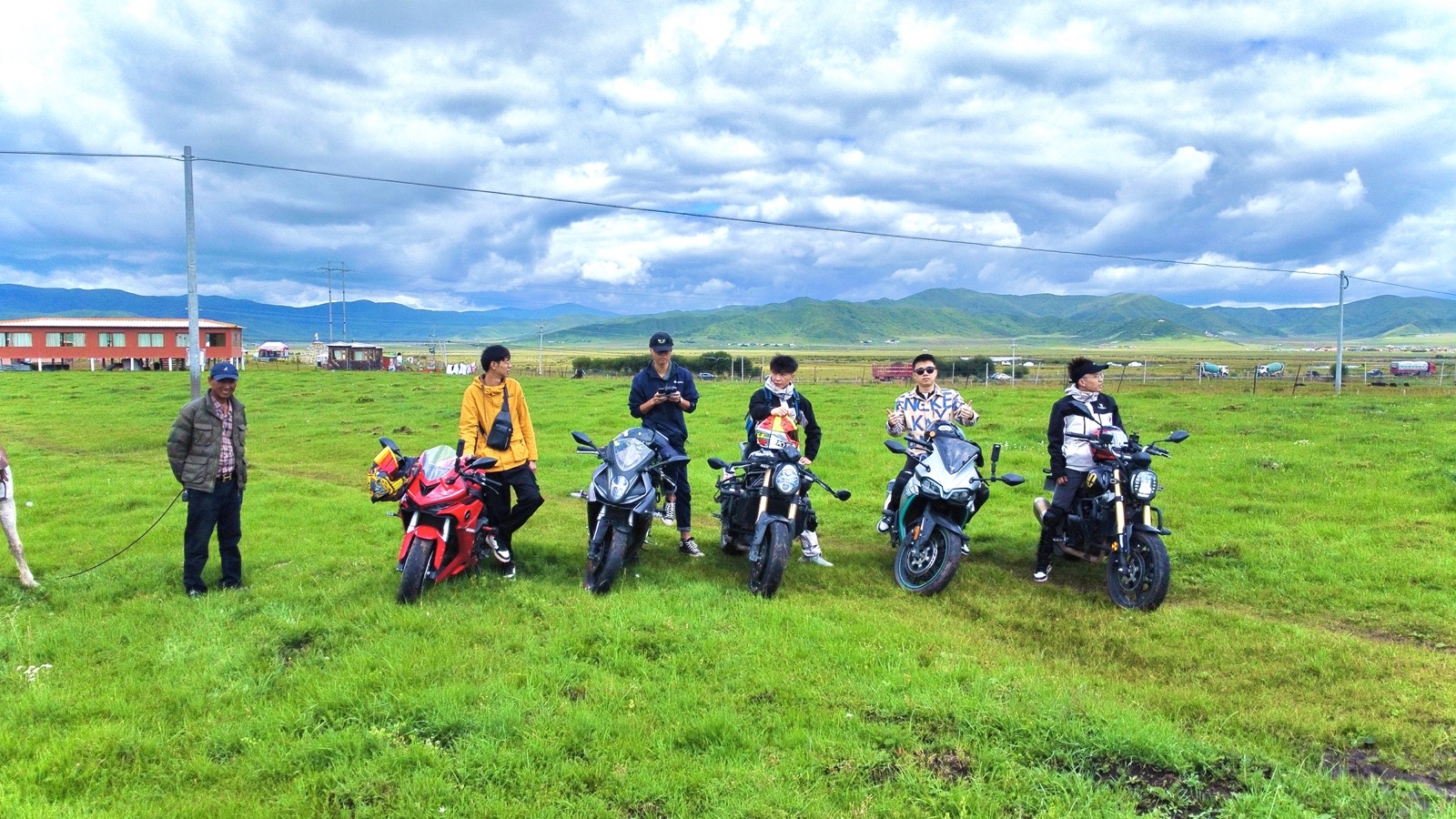
I've traveled across most of the country — all the big names (Beijing, Shanghai, Xi'an, Hangzhou, Guilin, Zhangjiajie, Lijiang) plus places foreign travelers rarely hear about: Bipenggou in Aba Prefecture, the western Sichuan grasslands by motorcycle, and county-level towns most English-language China guides have never named. Every destination page on this site is written by someone who has been there recently — or knows it well enough to fact-check every practical detail.
By trade I'm a software engineer, which is why one person can build, run, and write this entire site solo — no sponsors, no paid tours, no affiliate deals shaping the prose. The engineering shows up in how things get fact-checked, not in the writing.
Why I built FirstTripChina
Most English-language China travel content is written by people who spent 2–4 weeks here on a single trip. The guides look polished, but the details go out of date fast, and a lot of the practical friction points — "does this card work with Alipay right now?", "do I still need a VPN for Google Maps?", "is this high-speed rail route still faster than flying?" — get hand-waved.
I saw foreign friends struggle with these questions every year, and the answers they were getting online were often outdated or half-right. I had the local knowledge, the language access, and the engineering habits to do something about it. FirstTripChina is the result: a practical, current, local-written travel guide for people planning their first trip to China.
It's independent — no sponsorships, no paid tours, no affiliate deals that shape the writing. If a guide says the Mutianyu Great Wall section is better for first-time visitors than Badaling, it's because I believe that, not because someone paid me to say so.
What I can tell you about China that others can't
There are many China travel sites. The reason this one is different is specific and limited — I'm not everything, but I am these four things.
On-the-ground reality
I live here. I pay with Alipay at the street food stall yesterday, take the metro this morning, and read the January 2026 visa policy update in Chinese today. The information stays current because it's my daily life, not a research project.
Native language access
Chinese is my first language. I can read government sites, local reviews, WeChat posts, and the fine print that non-Chinese-speaking travel writers simply cannot. That access lets me fact-check details most English guides only rephrase from each other.
Big cities and small ones
I've been to all the major stops — Beijing, Shanghai, Xi'an, Hangzhou, Guilin, Zhangjiajie, Lijiang — plus smaller places foreign travelers rarely hear about: Bipenggou, the western Sichuan grasslands, county towns in Yunnan and Guizhou. The guides reflect that range, not just the 5-city tourist loop.
How I fact-check
Every price, opening hour, and policy in a guide gets cross-checked against the official Chinese source, recent Xiaohongshu posts from local travelers, and my own visits where possible. If something comes from memory only, I say so — and I update guides when reality moves, not on a publishing schedule. Last reviewed: May 2026.
Where I've been recently — not just researched
China travel content ages fast. Two photos from the last couple of years — the kind of places most English-language guides never describe because the writers never went.
What every guide on this site should deliver
Practical before pretty
Every guide should tell you what to prepare before you fly, what can change after you book, and what will save time once you land. Beautiful photos are secondary to usable information.
Current, not evergreen-generic
China changes fast — visa rules, payment apps, transport options. I update guides as policies shift instead of writing vague text that never goes stale because it never said anything specific.
Built for first-time visitors
A guide should reduce uncertainty, not create more tabs. I focus on the decisions that help travelers build a realistic first China itinerary without reading 20 blogs.
Ask me anything
Planning your first trip to China and unsure about payments, transport, apps, visas, or what to prioritize? Send me a note. I read every message and use them to improve the guides.
Visitor feedback
Or use the form
Share a question, report an outdated detail, or suggest a destination. Every message goes straight to me.