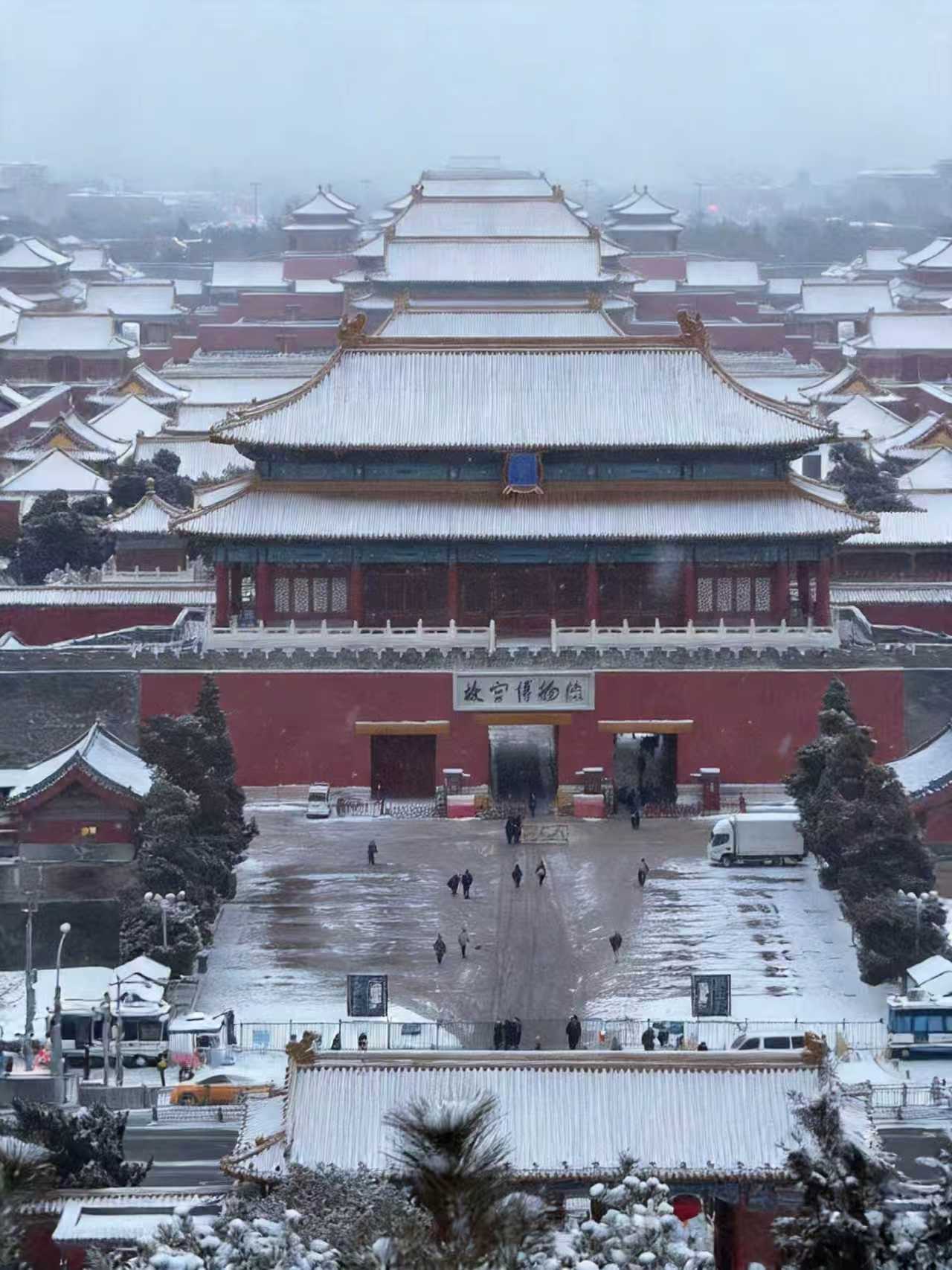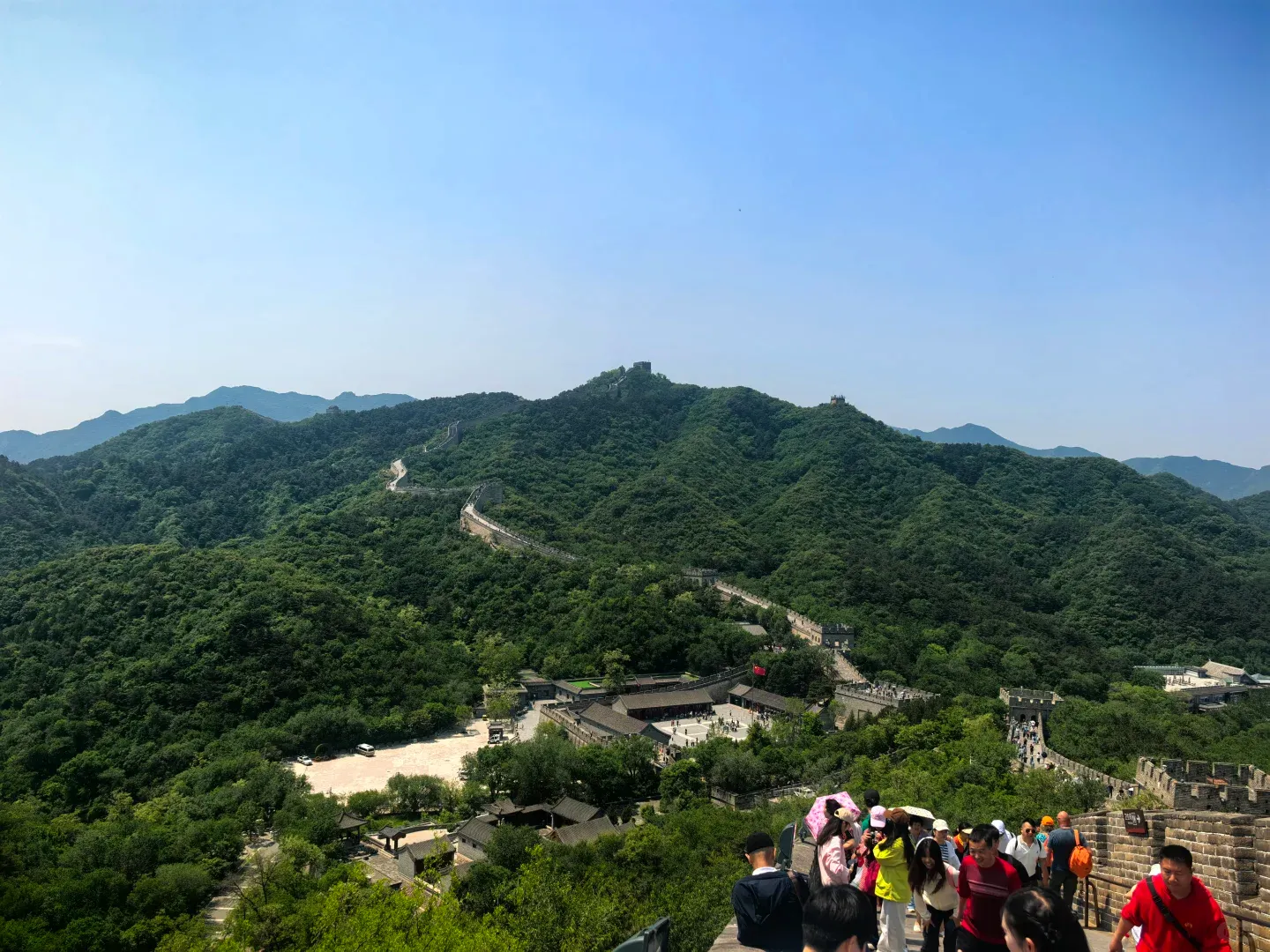
Beijing is where most first-time China trips should start if history is what pulled you here. The Forbidden City, the Great Wall, the Temple of Heaven, the hutong neighborhoods — they're all in one city, and the city is laid out in a way that makes imperial China feel concrete rather than abstract.
This overview covers the shape of a Beijing trip. For ticket rules, day-by-day plans, and the specific traps first-timers fall into, the detailed articles linked below go deeper.
Why Beijing works as a first stop
Three things make Beijing unusually friendly for a first China trip:
- The landmarks are the landmarks you came for. The Forbidden City, the Great Wall, Tiananmen Square, the Temple of Heaven — you don't have to hunt for hidden spots to feel like you've seen China.
- The layout tells a story. The imperial axis runs north-south through the old city. Once you've walked it once, the rest of Beijing orients itself around it.
- Day-trip range. The Great Wall is 1.5–2.5 hours out depending on the section. You don't have to reorganize your itinerary to get there.
You don't need to know Chinese history to enjoy Beijing. The city does a lot of the explaining.
Who Beijing suits best
Beijing is a strong first stop if you want:
- Imperial history and major landmarks rather than hidden-gem hunting
- A city-and-day-trip mix, built around the Great Wall
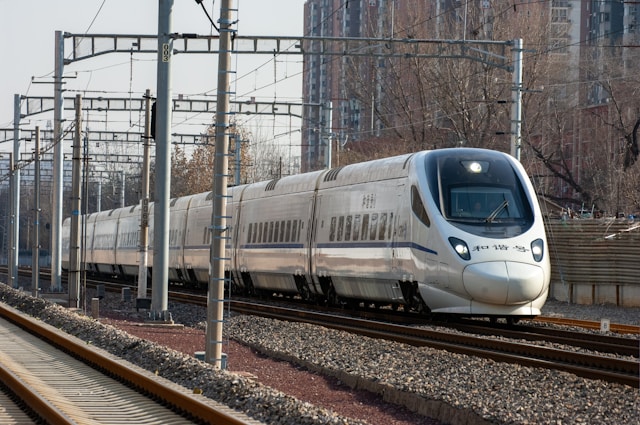
- A first stop that naturally connects to Xi'an (high-speed rail, 4.5–6 hours) or Shanghai (4.5 hours)
If your picture of the trip is more skyline, nightlife, and café culture, Shanghai is usually the easier first landing. You can always add Beijing later in the route.
Signature experiences
Most first-time visitors build their Beijing stay around these:
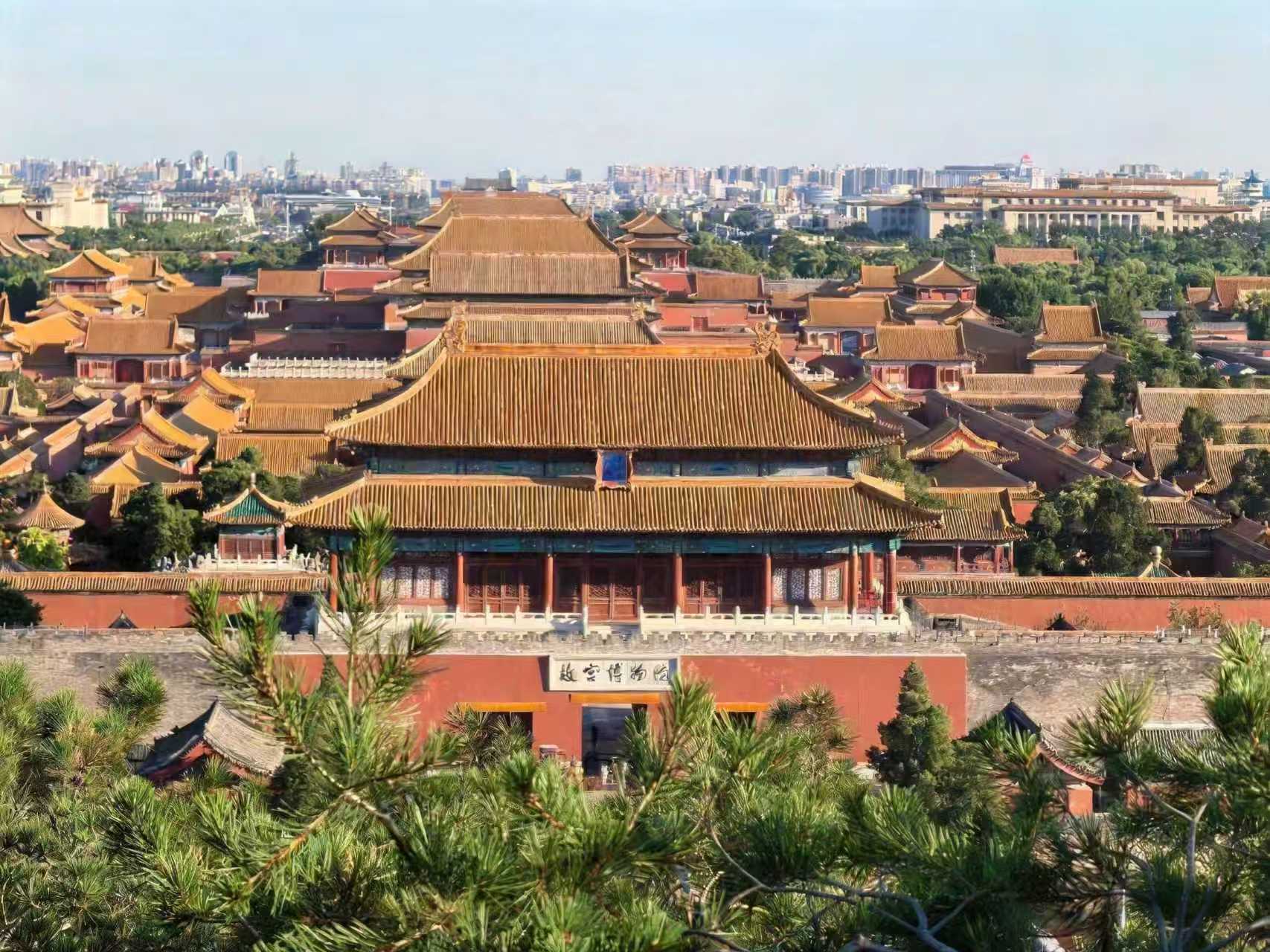
- Forbidden City + Jingshan Park — the imperial core, best done together. The Forbidden City is booked and timed; closed every Monday except on Chinese public holidays.
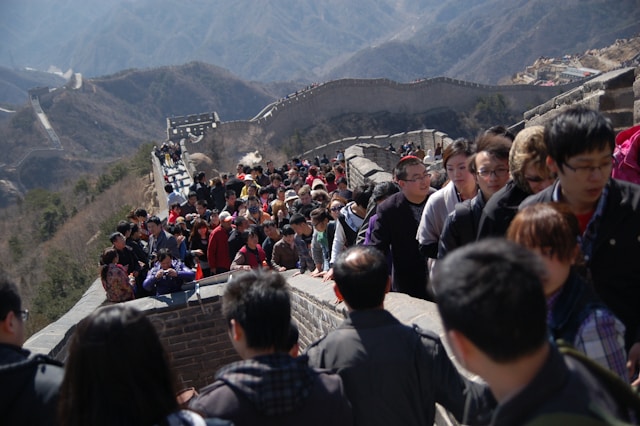
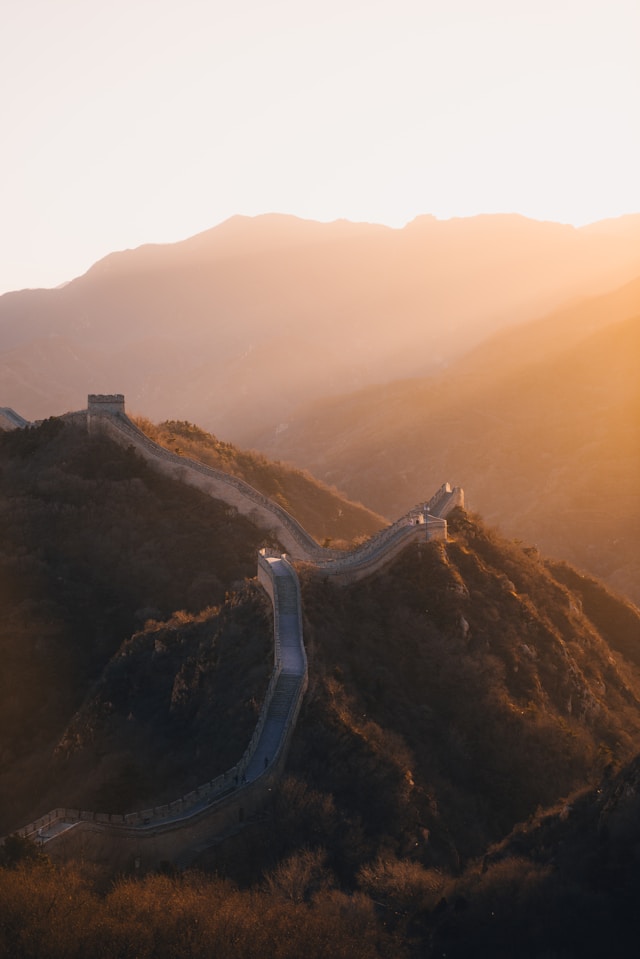
- The Great Wall — a full day, not an afternoon add-on. Mutianyu is the default first-timer choice (cable car up, toboggan slide down). Badaling is closer and cheaper but much more crowded. Jinshanling is for photos without crowds.
- Temple of Heaven — a quieter, calmer side of ceremonial Beijing.
- Summer Palace — spacious and scenic, better for a slower day.
- Hutong walks — Nanluoguxiang and Gulou are the famous strips; walk one or two streets off the main lane to see the lived-in version.
- Peking duck — there's no consensus on the "best" place, and every restaurant has fans and critics. Pick a location near your route, book ahead, and don't expect the internet to agree.
Each of these has a detailed write-up in the Beijing articles below.
How many days
Most first-timers do Beijing in 4 days: one for the Forbidden City and Jingshan, one for Temple of Heaven or Summer Palace, one for the Great Wall, and one lighter day for hutongs and food. 2–3 days works if you skip a major imperial site and rush the Wall. 5+ days lets the city breathe.
See How Many Days in Beijing? below for the full breakdown.
Quick orientation
- Best time to go: mid-April to mid-June and mid-September to early November. Avoid Golden Week (October 1–7) and Chinese New Year if you can.
- Getting around: metro for most city movement (Line 1 runs east-west through Tiananmen; Line 2 loops the old city), ride-hail for hotel transfers and tired evenings. Walking works within a neighborhood, not between districts — Beijing is bigger than it looks on the map.
- Airports: Beijing Capital (PEK) is closer and has a direct Airport Express metro line. Daxing (PKX) is newer but far south — if you land late and the metro has stopped, plan on a taxi or ride-hail in advance.
- Payment: set up Alipay and WeChat Pay before you fly. Both now let foreign visitors link Visa / Mastercard / JCB, and recent traveler reports describe the experience as smooth.
Before you get into the details
Lock down the practical basics first — they do more for your Beijing experience than memorizing a landmark list:
- Visa and entry rules (China's visa-free list has expanded significantly in 2024–2026, including the 240-hour transit policy)
- Alipay and WeChat Pay setup
- Essential apps — Didi for ride-hail, Dianping for food, Amap or Baidu Maps, a VPN if you need Google
- Train booking if you're continuing to Xi'an or Shanghai
For the deeper reading — itineraries, preparation checklist, common mistakes, and the high-speed rail to Xi'an — scroll down to the related articles below.