Short answer: For most first-time visitors from Beijing, Mutianyu is the right choice. Restored but not overrun, cable car access, a toboggan ride down, and about 1.5 hours from the city. Badaling is the most famous name but usually the wrong pick. Jinshanling is for travelers who want a hike and fewer people.
Below is how each of the three main sections actually compares, with real prices and transport options, so you can pick the one that fits your trip instead of the one with the most marketing.
Mutianyu — the default pick for first-timers
Why it works for a first visit
- Restored and safe to walk, but not over-commercialized like Badaling
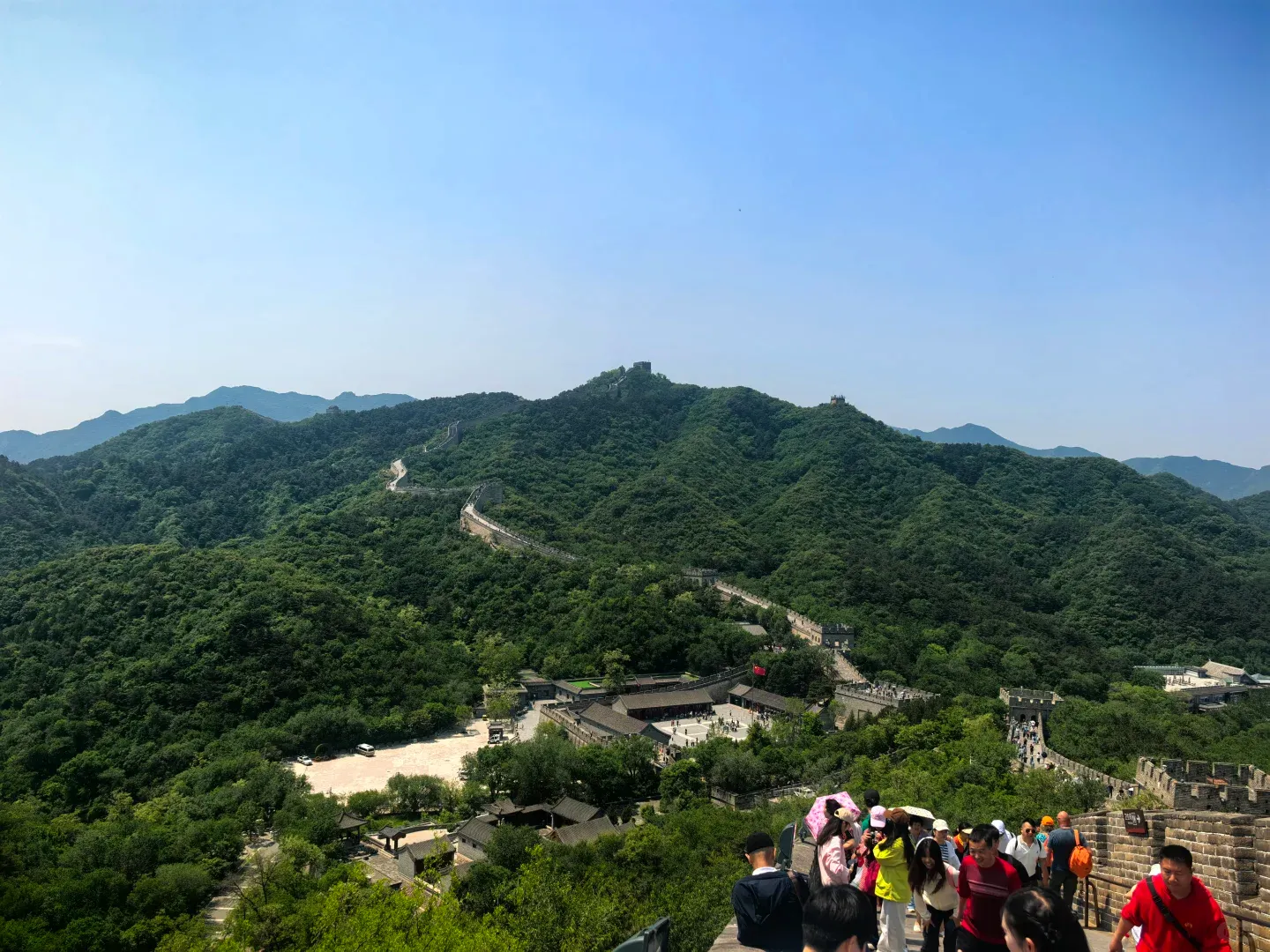
- Scenic — trees, watchtowers, long photogenic stretches of wall climbing the ridge
- Cable car up, walking along the wall, toboggan down — the toboggan is a metal slide unique to Mutianyu, still running as of 2026. It's fun without being gimmicky.
- Noticeably less crowded than Badaling on normal days
- About 1.5 hours' drive from central Beijing
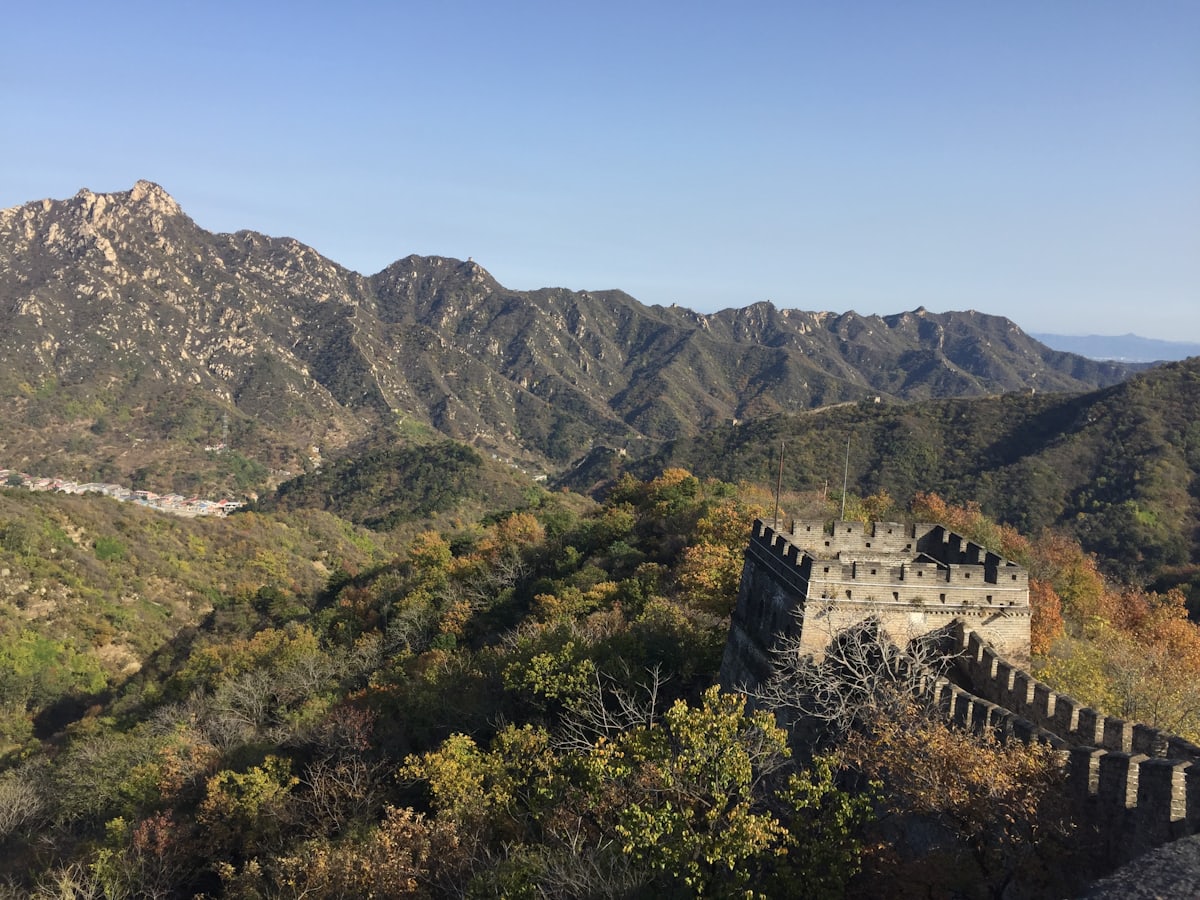
What tickets cost and how to book
- Entry ticket: around ¥60 per person. Daily visitor numbers are capped, so tickets can sell out in peak season — don't assume you'll get one at the gate on a weekend.
- Cable car round-trip: around ¥140 (single ride + toboggan combos are also sold at the base).
- Where to buy: the official Mutianyu Great Wall WeChat public account, Trip.com, or Meituan (美团) if you have it. Same-day gate purchase is possible but limited to whatever's left after online sales — avoid on weekends and Chinese holidays.
- Book the day before at the latest.
A personal note on how tiring it actually is
I've been to Mutianyu. Before going, I figured it would obviously be tiring. What I didn't expect was how much more tiring than I expected it would be. The staircases between watchtowers aren't uniform — some steps are shallow, the next is knee-high, and you're doing this in sun with no shade. If you're not someone who walks daily, pace yourself, take breaks at the towers, and don't try to cover the whole section.
Bring more water than you think you need. Vendors on the wall sell it, but at steep tourist prices.
Downsides to know about
- Still gets crowded during Chinese holidays — avoid October 1–7 Golden Week, May Day, and Spring Festival week entirely
- Parts are heavily restored, which matters if you want an unpolished "ancient ruin" feel (go Jinshanling for that)
How to get there
Three realistic options, in order of ease:
- Hotel-arranged driver or small-group tour — the simplest, typically ¥500–800 round-trip for a private car (shared across travelers) or ¥300–500 per person for a small-group tour that usually bundles transport, ticket, and cable car. Pick this if it's your first China trip and you don't want to spend the morning figuring out transfers.
- Public transport — 916 Express bus from Dongzhimen Transport Hub to Huairou (~1.5h), then a local minibus (H23/H24/H35) or a short taxi to Mutianyu. Cheapest option, but 3+ hours door-to-door and genuinely confusing if you don't read Chinese. Not recommended for a first-time visitor.
- Tourist bus from the Beijing Tourist Distribution Center — tickets sold via a WeChat mini-program. Cheaper than a car, but finding the distribution center and the right gate is its own friction.
Personal take: if you're not comfortable reading Chinese signage, just pay for the car. You'll enjoy the Wall more.
Jinshanling — for active, scenic-minded travelers
Why some travelers prefer it
- Much less crowded than Mutianyu on typical days
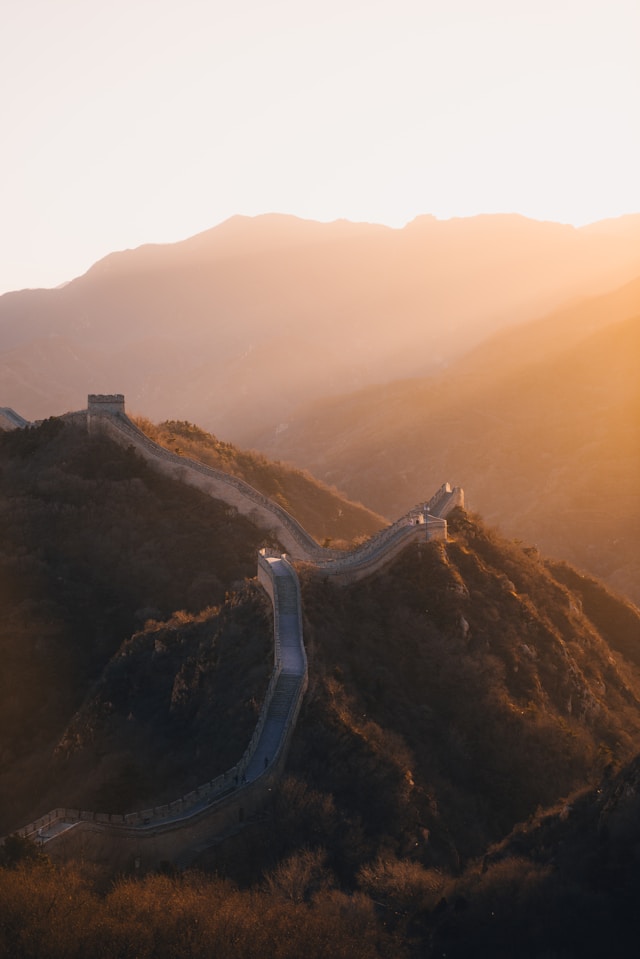
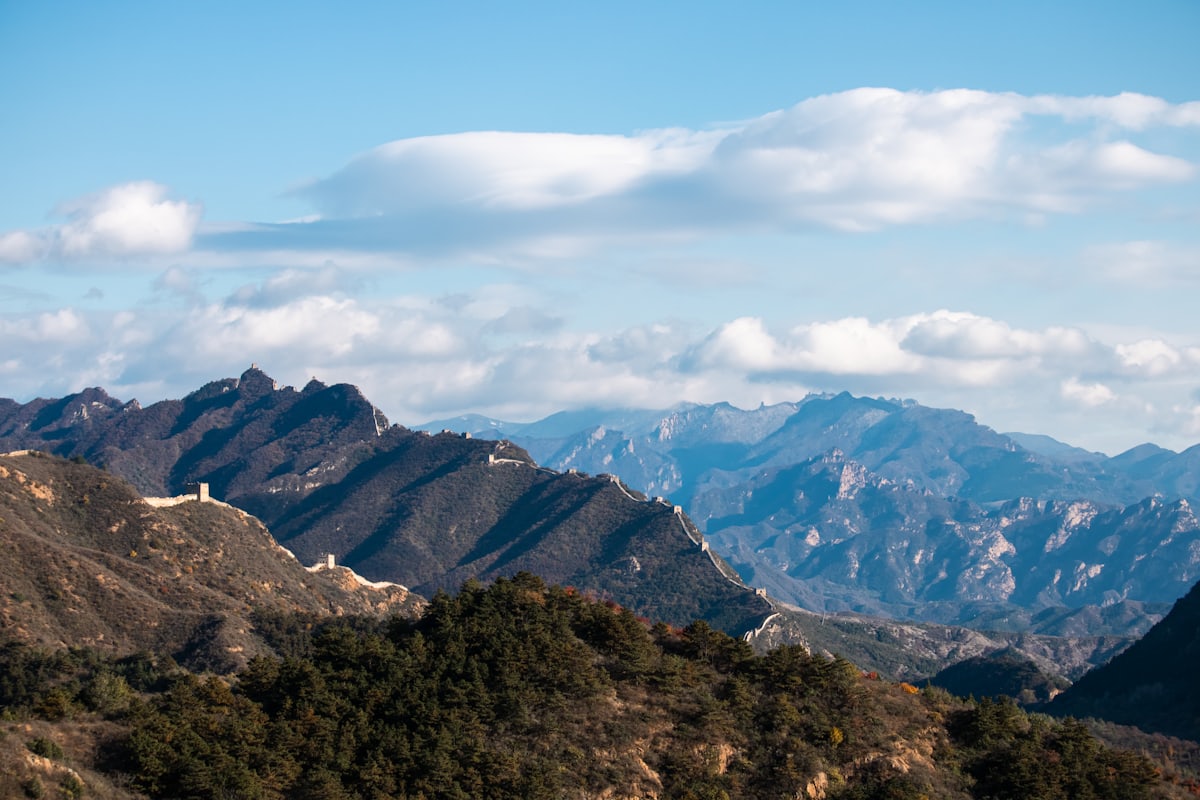
- Dramatic scenery, especially at sunrise — this is the classic photographer's section
- Partly restored, partly wild — feels closer to an old ruin than a tourist product
- Good for a real walk: 3–4 hours of hiking between watchtowers
Downsides
- 2.5 hours each way from Beijing — a longer day
- Less base infrastructure (fewer restaurants, fewer facilities)
- Hard to reach without a private driver — public transport is a stretch
- Physically more demanding: steeper sections, uneven stones, long stretches without cable car bailouts
Who it's for
- Travelers who enjoy hiking and want the fewest other tourists
- Photographers chasing sunrise or golden-hour light
- Second-time Great Wall visitors who already did Mutianyu and want something different
Skip Jinshanling if you have limited mobility, a tight schedule, or weather uncertainty — the drive is too long to gamble on a foggy afternoon.
Badaling — the famous name, usually the wrong pick
Why it gets all the attention
- The most heavily promoted section — featured in state tourism materials and on most tour group itineraries
- The only section you can reach by train — including a 30-minute bullet train from the city
- Most developed infrastructure: parking lots, shops, cable cars, multiple food courts
Why to avoid it for a first visit
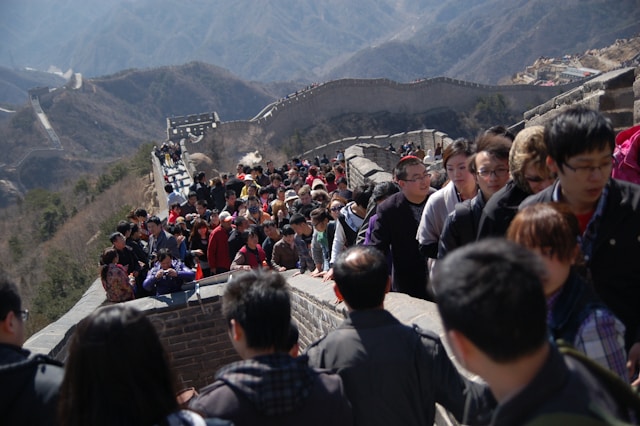
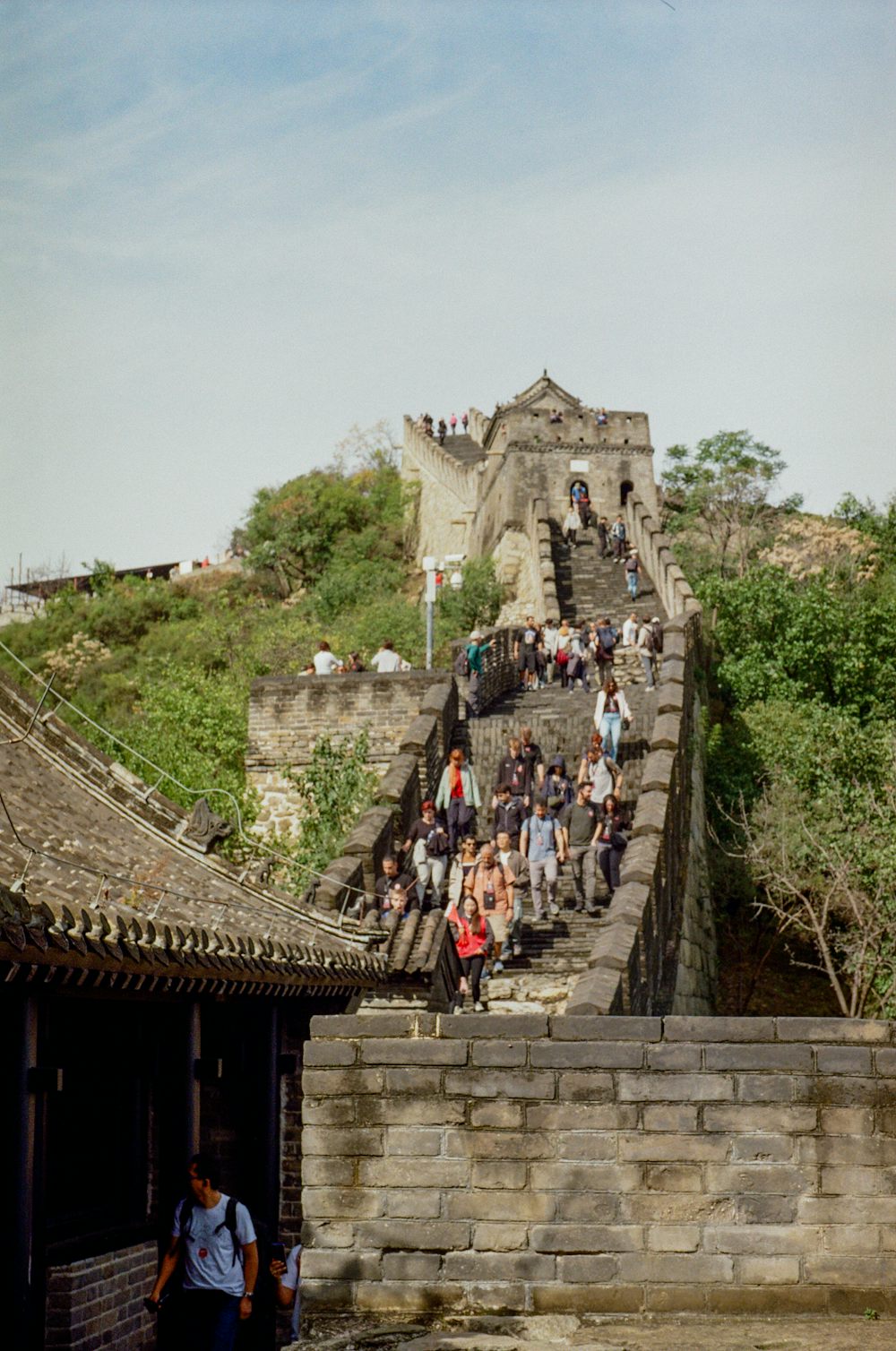
- Extreme crowds on most days of the year — shoulder-to-shoulder walking on the main sections is normal, especially on weekends and Chinese holidays
- Heavy restoration and the most commercial feel of any major section
- For roughly the same travel effort, Mutianyu is a much better experience
When Badaling might actually work
- You want to go by train. The Beijing–Zhangjiakou high-speed line stops at Badaling Great Wall station — about 30 minutes from Qinghe or Beijing North, roughly ¥18, and a short walk from the entrance. Buy the return leg when you book the outbound; trains sell out. There's also the dirt-cheap S2 commuter line from Huangtudian, still running as of 2026, if you're on a tight budget and not in a hurry.
- You have mobility limitations and need the most accessible section with the most infrastructure
- You're going in deep winter on a weekday when the crowds thin out
- You have no choice because your tour is scheduled there
For most first-time travelers, choose Mutianyu over Badaling. "Famous" is not the same as "best."
Quick decision matrix
| Your priority | Best section |
|---|---|
| Easy, iconic first visit | Mutianyu |
| Fewest crowds + real hiking | Jinshanling |
| Maximum accessibility (cable car) | Mutianyu |
| Getting there by train (30-min bullet train or cheap S2) | Badaling — but know the crowd tradeoff |
| Most famous reputation | Badaling — but pick Mutianyu instead |
When to go
- Best seasons: mid-April to May and mid-September to October — clear weather, mild temperatures, workable light for photos
- Worst times:
- Chinese public holidays — October 1–7 Golden Week, May 1 Labor Day, Spring Festival week. Mutianyu and especially Badaling become overwhelming.
- Peak summer (July–August) — hot, humid, hazy, crowds build early
- Winter weekdays can actually work if you're prepared for cold — clear sky, very few people, striking light
Best time of day
- Arrive by 9:00–9:30 AM. The first wave of tour buses lands around 10:30, and the difference between a 9 AM wall and an 11 AM wall is enormous.
- Leave by 2:00 PM to beat afternoon tour-group turnover and the return-trip traffic back to the city.
- Plan on 2.5–3.5 hours on the wall itself, not counting transport or lunch.
What to bring
- Water — 2 liters per person minimum. Vendors on the wall sell it at steep markup.
- Sunscreen and a hat — there's no shade on the wall.
- Layered clothing — ridgeline wind is noticeably cooler than the base, especially outside of summer.
- Shoes with grip — the stone steps are worn and can be slippery.
- A small snack — there's a restaurant at the Mutianyu base, but nothing on the wall itself.
Continue planning
- See how the Great Wall fits into the full trip in The Perfect 4-Day Beijing Itinerary
- For everything to sort before you fly: Beijing Trip Preparation Checklist
- Back to the Beijing destination overview