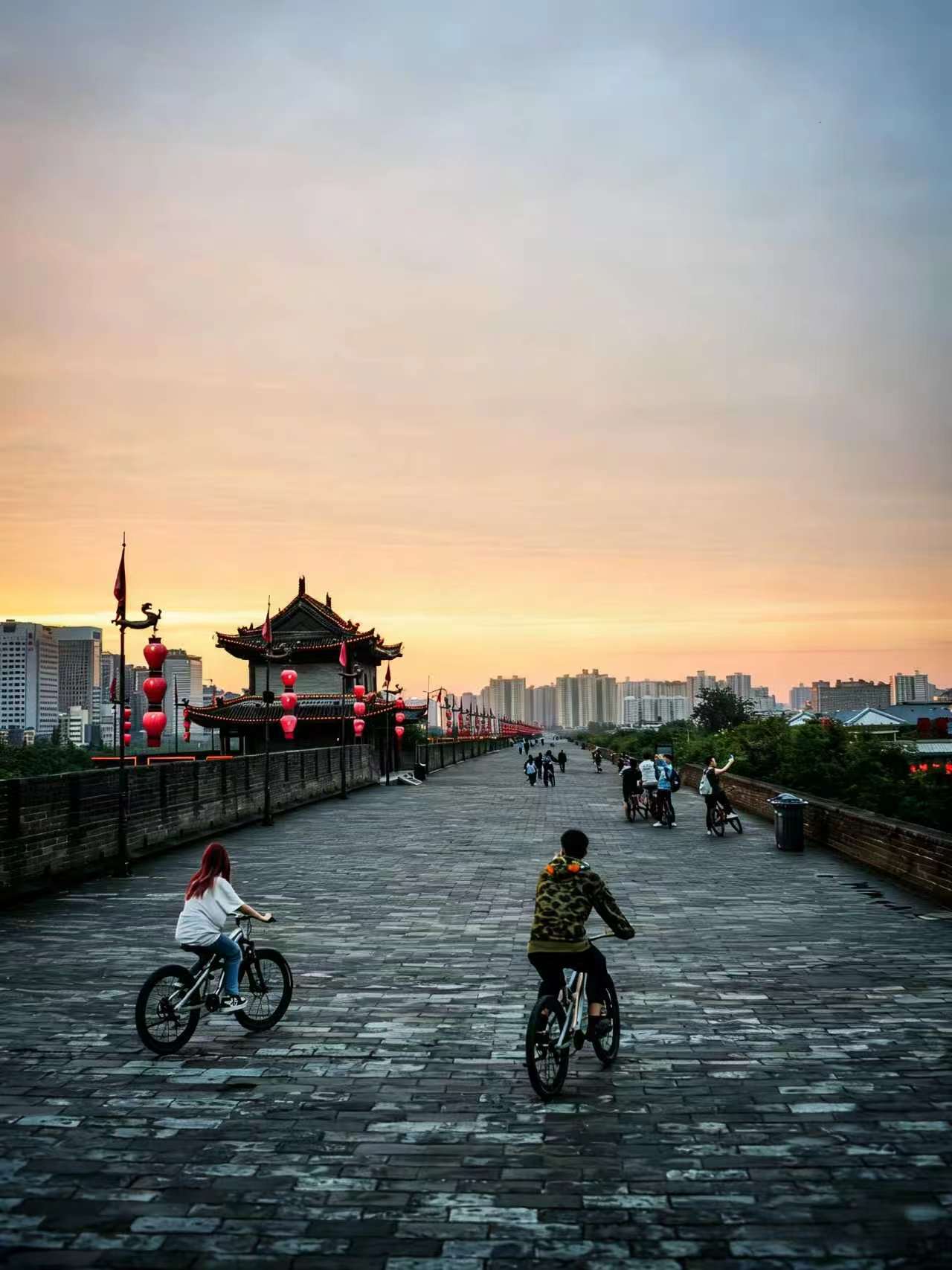
Xi'an is the only Chinese city where you can stand on a wall built in the 1370s and look down at streets laid out a thousand years earlier under Tang emperors. Thirteen dynasties picked this exact patch of ground over more than 1,100 years. Tang Chang'an, which sat right under your feet, was the largest city on Earth around 700 CE — over a million people, when Paris was a town of 20,000.
For a first-time China trip, this is the history stop. Beijing gives you imperial scale, Shanghai gives you modern energy — Xi'an is where you actually feel how deep the layers go.
Why Xi'an makes sense after Beijing
Xi'an is compact. The old city sits inside 13.74 km of Ming-era walls, and most of what foreign visitors come for is either inside the walls or a 30-minute DiDi outside them.
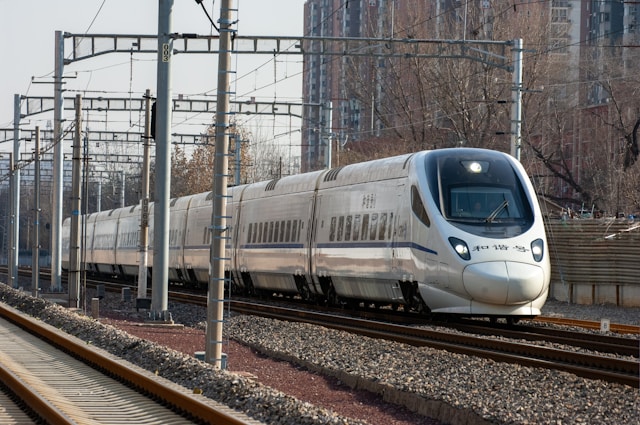
It is not really a standalone destination. Most travelers fold it into the classic Beijing → Xi'an → Shanghai triangle by high-speed rail. Beijing West (北京西) → Xi'an North (西安北) is about 4.5–5 hours. Watch the station name when booking — there is also an older "Xi'an Railway Station" used for legacy slow trains, and a ticket to the wrong one is an easy mistake.
Two days inside the city is the sweet spot.
What kind of traveler Xi'an is best for
- A history-heavy stop that complements Beijing's imperial focus
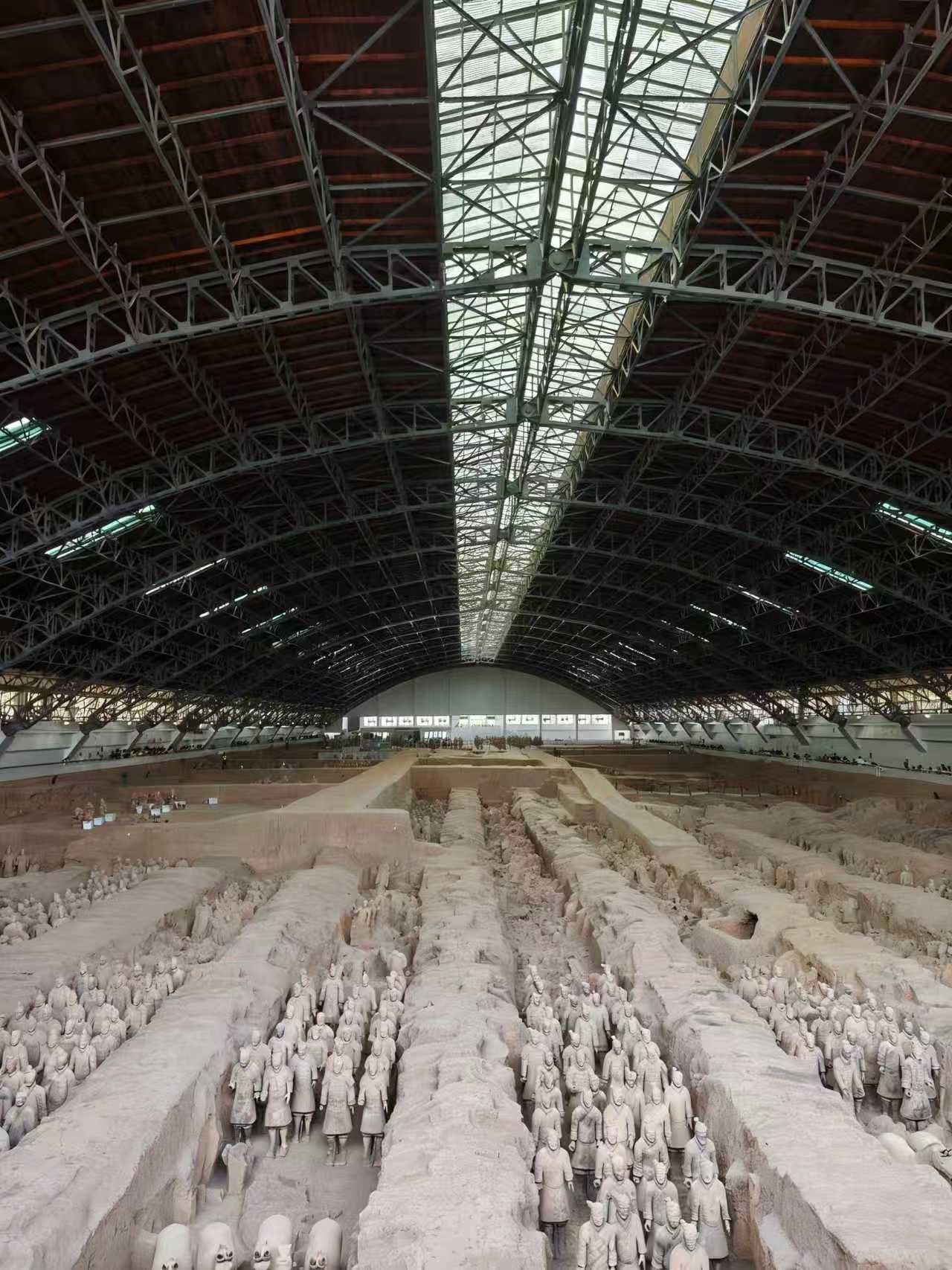
- To see the Terracotta Warriors in person — the single most photographed object in Chinese tourism
- A walkable, compact old city after the scale of Beijing or Shanghai
- A first taste of non-Han Chinese culture through the Hui (Muslim) quarter
Less interesting if you are coming primarily for food (see below) or nightlife — save those for Chengdu or Shanghai.
Signature Xi'an experiences
- Terracotta Warriors (兵马俑) — Discovered in 1974, ~40 km east of the city; the army built for Qin Shi Huang, China's first emperor. Advance booking required.
- Ming City Walls — 13.74 km loop, ~12 m high, built in the 1370s on top of Tang Chang'an's footprint. Rent a bike at South Gate (永宁门).
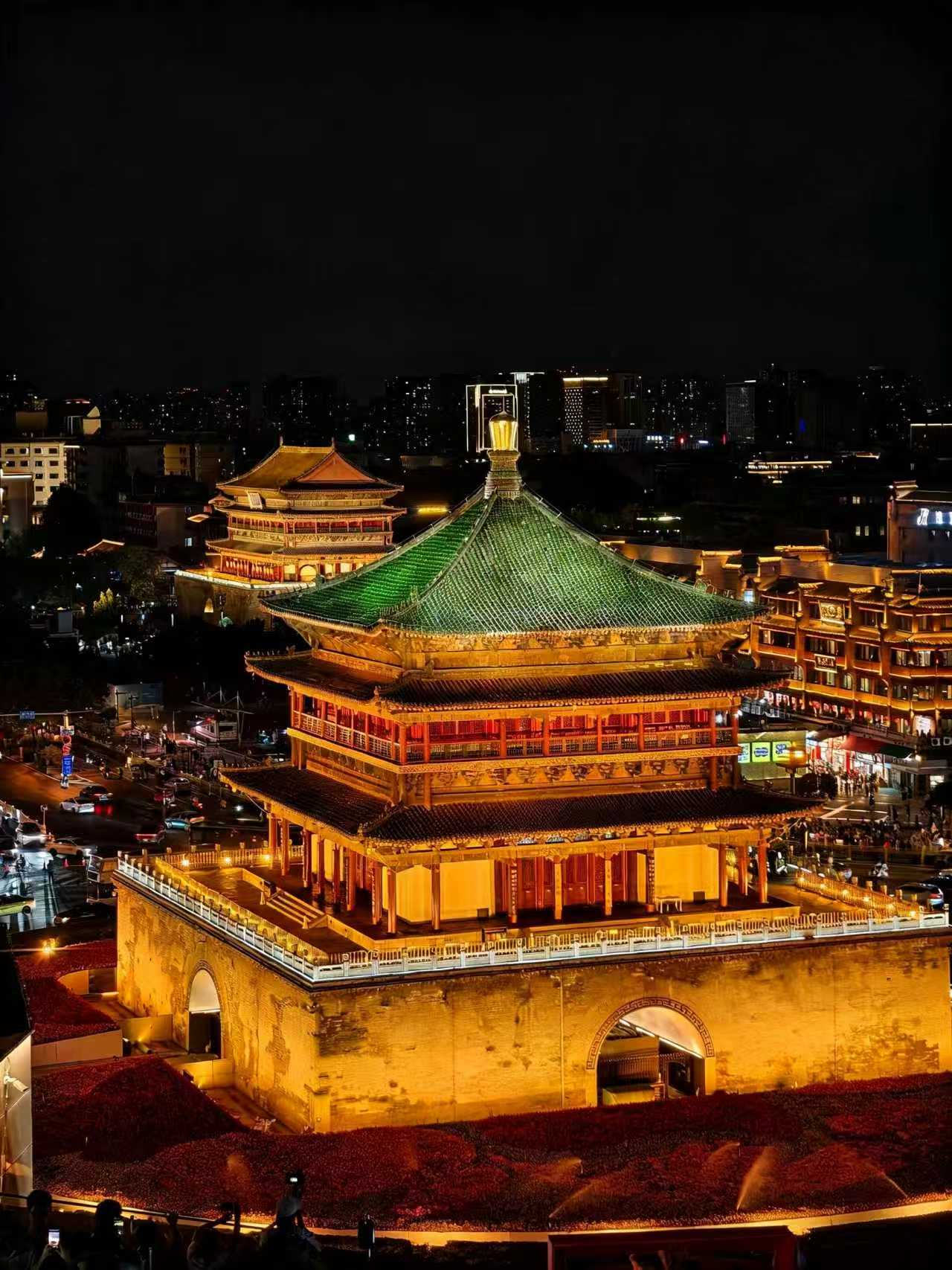
- Bell Tower & Drum Tower — 1380s, lit at night, marking the geometric center of the old city.
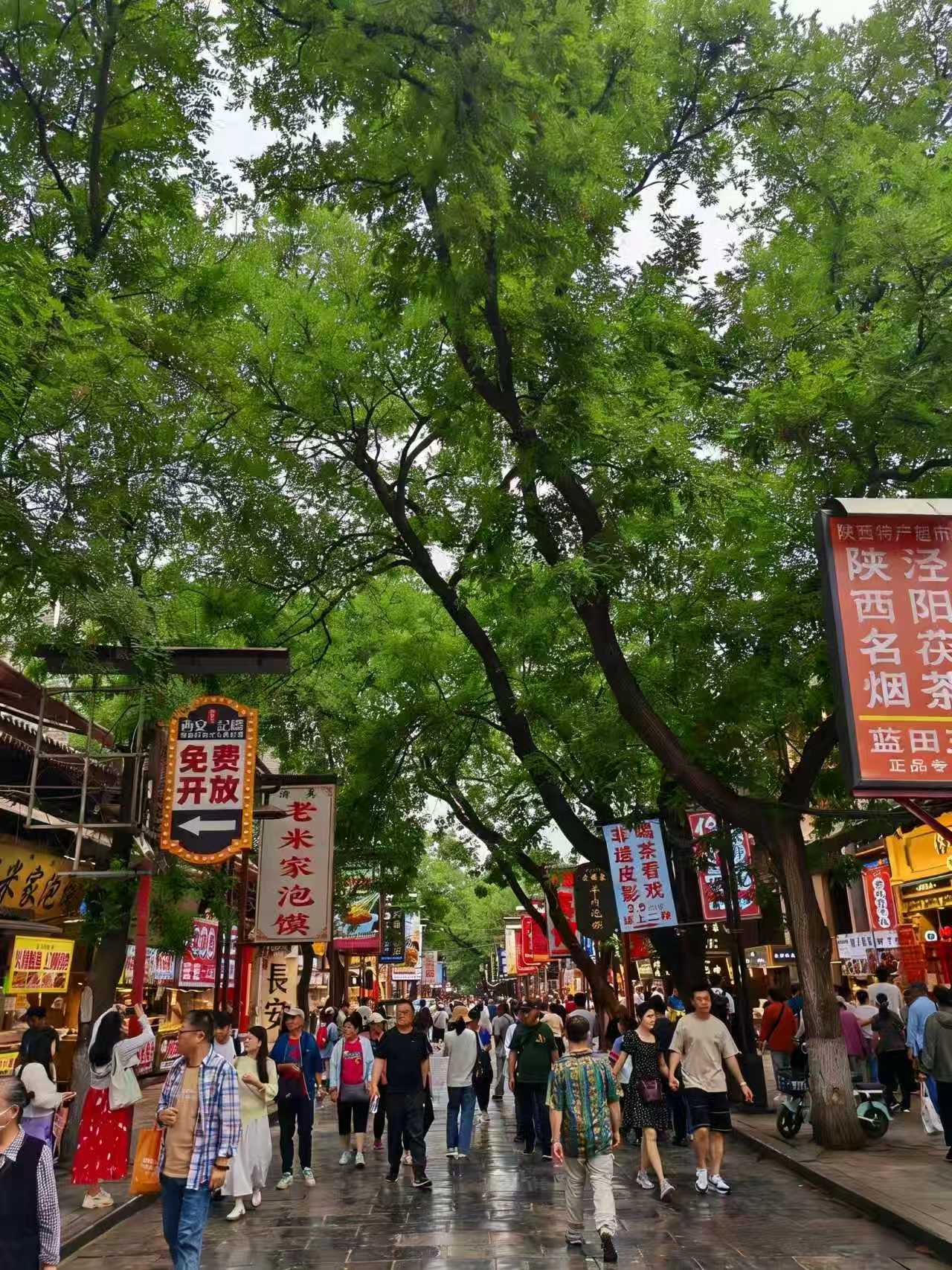
- Muslim Quarter (回民街 / 北院门) — 1,200 years of Hui Muslim history. See the food note below.
- Shaanxi History Museum — One of China's best, free, but requires advance booking by passport on its WeChat account.
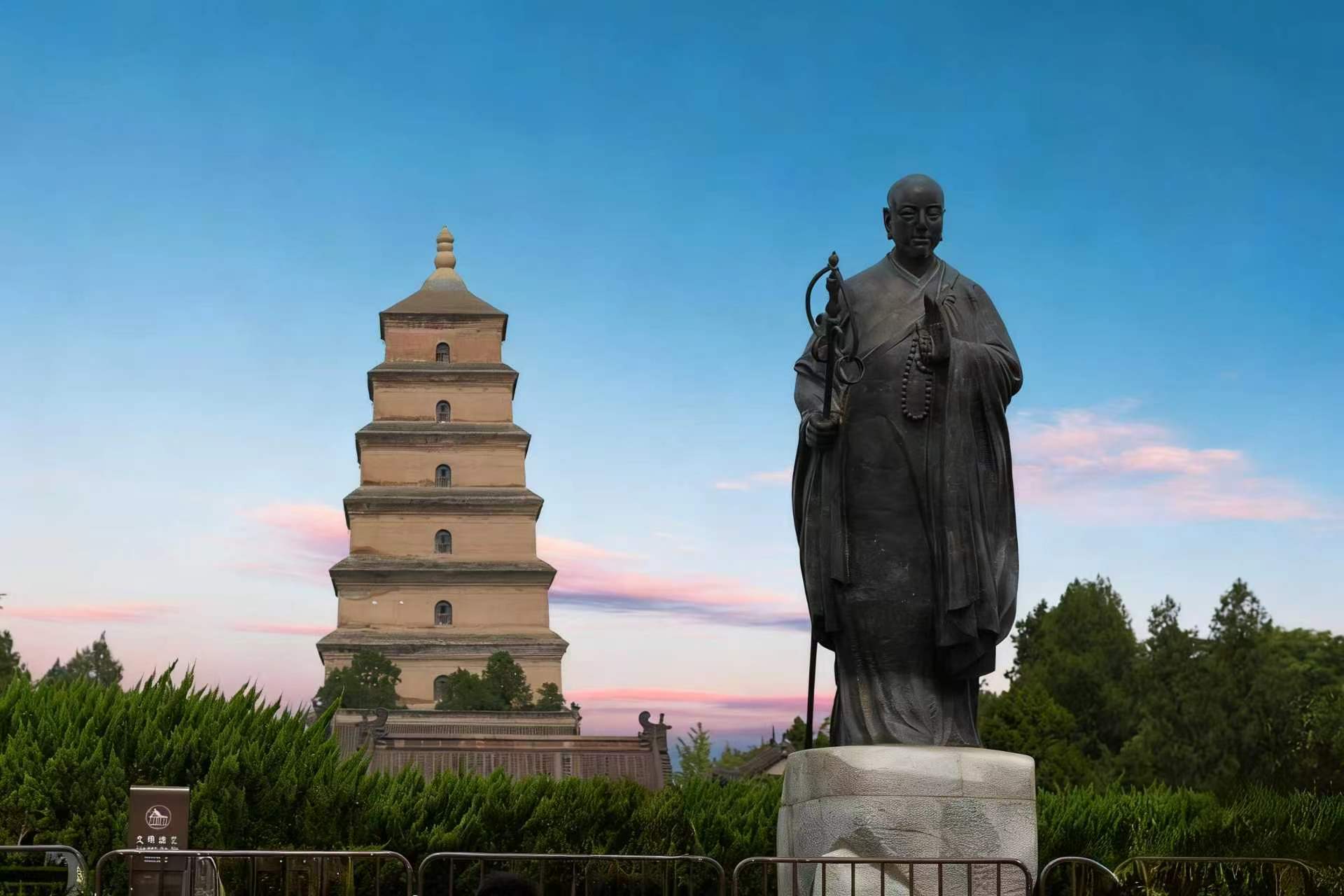
- Big Wild Goose Pagoda (大雁塔) — 652 CE; built to house the Sanskrit sutras the monk Xuanzang brought back overland from India. Free fountain show at night.
Real Xi'an food — manage your expectations
Xi'an gets pitched online as one of China's great food cities. Sober up before you go. The Muslim Quarter is fun for atmosphere — narrow lanes, hanging red lanterns, lamb skewers smoking under fluorescent lights — but the food leans heavy and lamb-and-cumin-forward, and Chinese travelers from the spicier or sweeter southern provinces often find half the menu just okay. Come for the lights and energy; save your meal-of-the-trip expectation for elsewhere.
Four dishes are still worth trying because they exist nowhere else in this form:
- 羊肉泡馍 (yangrou paomo) — mutton broth poured over flatbread you tear into pea-sized chunks yourself
- biangbiang 面 — one-meter-long belt-wide noodle in chili oil; the "biang" character has 57 strokes and isn't in dictionaries
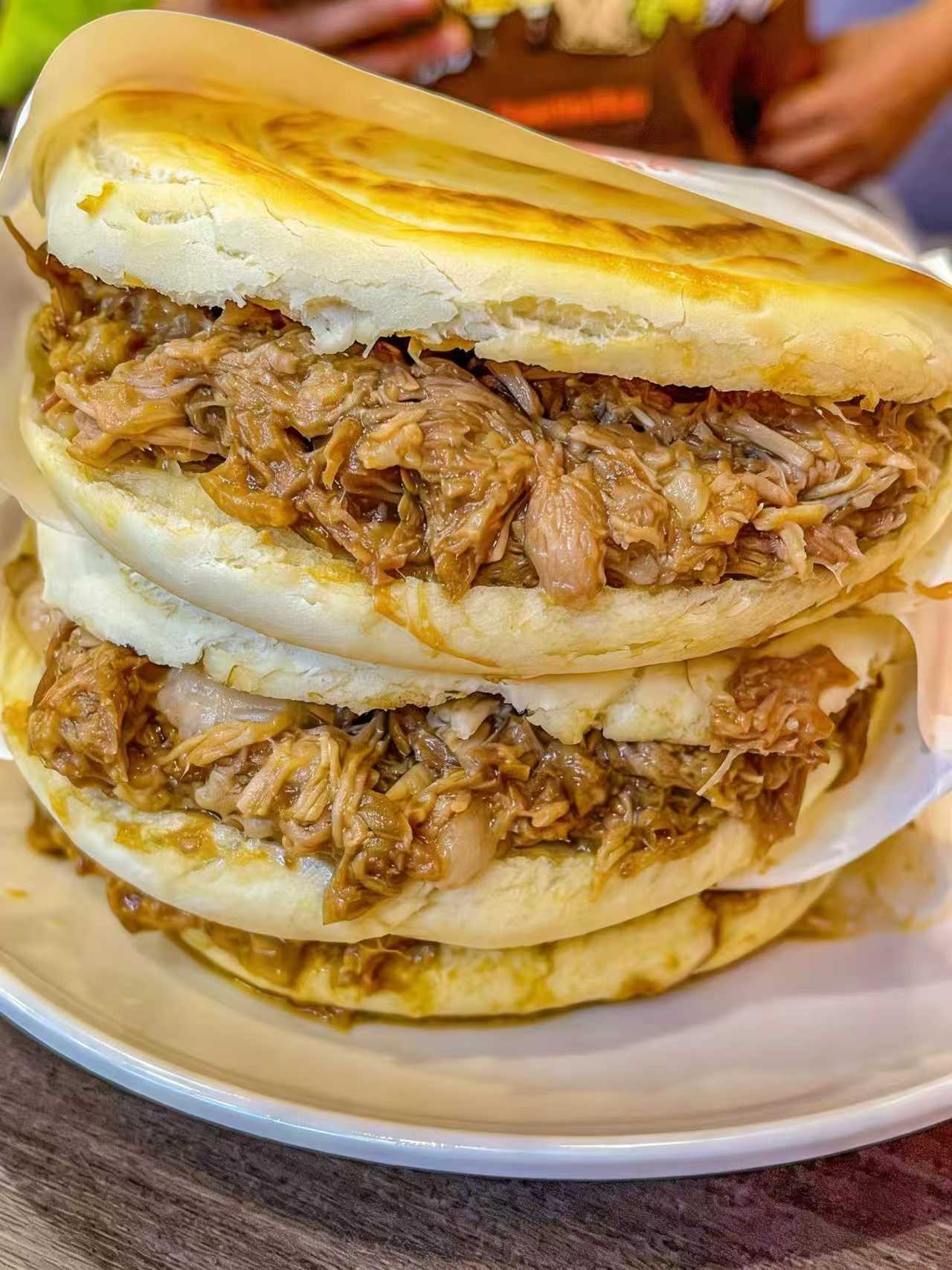
- 肉夹馍 (roujiamo) — crispy bun stuffed with slow-braised pork (or beef inside the Quarter); predates the Western hamburger by ~1,900 years
- 凉皮 (liangpi) — cold rice or wheat noodles in chili oil, vinegar, and sesame paste
If you only try two: make them roujiamo and biangbiang noodles. They travel best across regional Chinese palates. The lamb-heavy paomo and the cold liangpi are more polarizing — excellent if you're already into the flavors, just okay if not.
For better food density, walk one block off the main 北院门 strip into 化觉巷 / 西羊市 / 大皮院.
Quick orientation
- Best time: April–May and September–October. Summer pushes past 40°C on the wall with no shade. Winter has some of the worst smog of any major Chinese tourist city — bring a mask Dec–Feb.
- Getting around: Metro Line 2 north–south through Bell Tower; Line 1 east–west. Inside the walls everything is walkable. DiDi is cheap and the only sane way to handle Lintong and the airport.
- HSR station: Xi'an North (西安北), not the older Xi'an Railway Station.
- Airport: Xi'an Xianyang International (XIY), ~40 km northwest. Airport Bus or DiDi.
- Crowds: Terracotta Warriors Pit 1 is wall-to-wall by mid-morning — be at the gate at opening, or arrive after 3pm. Avoid Oct 1–7 and May 1–5 entirely.
Before you plan the details
- Visa — China's transit visa-free policies cover most short visits
- Alipay — links foreign cards in 5 minutes; works everywhere in Xi'an
- Booking — Terracotta Warriors and Shaanxi History Museum need reservations against your passport number days ahead
- Maps — Apple Maps inside the walls; Baidu Maps for everything else (Google is unreliable in China)
For full itineraries, the Terracotta Warriors how-to, and the Beijing → Xi'an HSR walkthrough, see the linked Xi'an articles below.