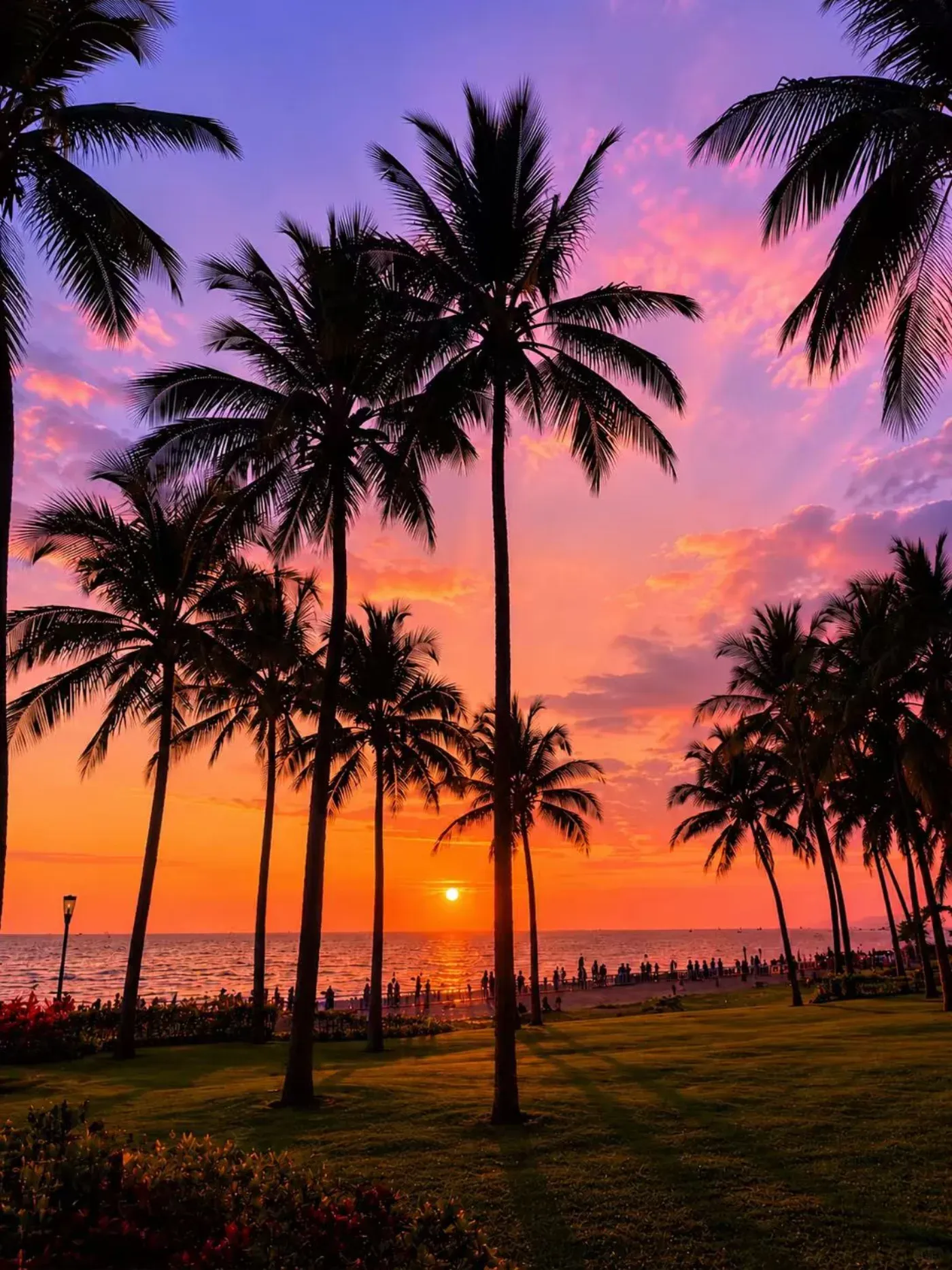
Picture this: you're barefoot on a stretch of sand lined with coconut palms, the South China Sea going gold as the sun drops toward it, a young coconut sweating in your hand. It looks like Thailand. It looks like Bali. It's neither — you're in Sanya, on the southern tip of Hainan Island, and almost none of your friends back home will have heard of it.
That's the whole pitch. I keep sending people here precisely because it's still under the radar. You get warm-water diving, forgiving beginner surf, and sunset views that do the coconut-tree thing properly, without the tour buses and beach clubs that have colonized most of Southeast Asia's coastline. The only real cost is that it's still China — which means a bit of prep goes a long way, and most of the English-language advice out there simply doesn't cover it.
Why Sanya Flies Under Every Foreigner's Radar
International guidebooks sell China as one fixed loop — Beijing, Xi'an, Shanghai, maybe Guilin. Hainan barely registers, partly because it markets itself to domestic tourists (China's own "Hawaii," as the local tourism board likes to say) and partly because the practical information for international visitors — which apps to use, which bay to book, how the diving actually works — mostly exists in Chinese only.
That gap is what this guide is for. None of what follows requires you to speak Mandarin or know anyone locally. It does require you to set a few things up before you land, so let's get the unglamorous parts out of the way first.
Before You Go: Visa, Timing, and Apps
The Visa Situation (Easier Than It Sounds)
The best news first: Hainan grants 30-day visa-free entry to passport holders from 61 countries (Vietnam and Kyrgyzstan were added on 20 August 2026), including the US, UK, EU member states, and Australia. Bring a passport valid for at least six months and proof of an onward ticket, and immigration waves you through — no visa application, no embassy appointment.
The one detail worth getting right: "direct" means your flight's last stop before Hainan wasn't mainland China. There are no nonstop flights from the US, UK, or Australia straight to Sanya, so in practice you'll connect somewhere — but as long as that connection is outside mainland China (Hong Kong, Bangkok, Seoul, Singapore all work), you still qualify for the 30-day visa-free entry when you land in Sanya or Haikou. Connecting through a mainland Chinese city like Shanghai or Guangzhou first breaks that, and you'd need a regular China visa instead.
If your route does pass through the mainland, the 240-hour (10-day) visa-free transit policy can cover a Hainan stop as an alternative. Either way, the paperwork is genuinely minimal — this is one of the few corners of China where the visa isn't the hard part of the trip. Not sure which rule covers your passport? Run it through the China Visa Checker.
When to Go (and When to Skip It)
Target October through April. That window is dry, sits around 22–28°C, and delivers sun reliably. July through September brings typhoon season stacked on top of brutal humidity — even locals plan their day around avoiding the midday heat, so there's no reason a visitor should tough it out.
Just as important: dodge Chinese public holidays. Spring Festival (late January or February) and National Day week (early October) send domestic tourists to Sanya in waves — hotel prices roughly triple, and the beaches you came for turn standing-room only.
The Apps to Install Before You Land
China runs on a small set of apps, and getting them working from home saves a genuinely miserable first day.
- Alipay and WeChat Pay cover something like 95% of transactions here. Here's a full setup walkthrough — the short version is to link a foreign Visa or Mastercard before departure, since SMS verification tends to fail once you're actually on Chinese mobile networks.
- Trip.com has by far the best English interface for hotels, flights, and island ticket bookings — this guide to booking China attraction tickets is worth a skim before you lock in Wuzhizhou or Nanshan.
- DiDi (the international rider app) is the local Uber equivalent — use it instead of flagging cabs on the street.
- Amap (高德地图) outperforms Google Maps for local navigation, and Google is blocked without a VPN anyway — an eSIM set up before you fly solves that without needing a separate VPN app. Pair Amap with an offline translator — Baidu Translate handles Chinese best — installed before you land, not after.
Note for international visitors: none of this is optional scaffolding. Arrive without Alipay set up and you'll spend your first day unable to pay for a coffee, a scooter rental, or a cab.
Getting Around and Where to Stay
Rent an E-Bike — Seriously
The move locals actually use: rent an electric scooter. It runs about ¥20 a day or ¥180 (roughly $25) a week — as a rough mental-math rule, ¥7 is close to $1, so you can divide most of the prices below by seven — and most rental shops will deliver it straight to your hotel. That's how you hop between bays — Yalong, Dadonghai, Xiaodonghai — without waiting on thin bus schedules or haggling over taxi fares.
For longer runs — Nanshan Temple, the airport — switch to DiDi. Sanya Phoenix Airport sits in Sanya Bay, so basing yourself there on arrival night keeps day-one logistics simple.
Pick Your Bay
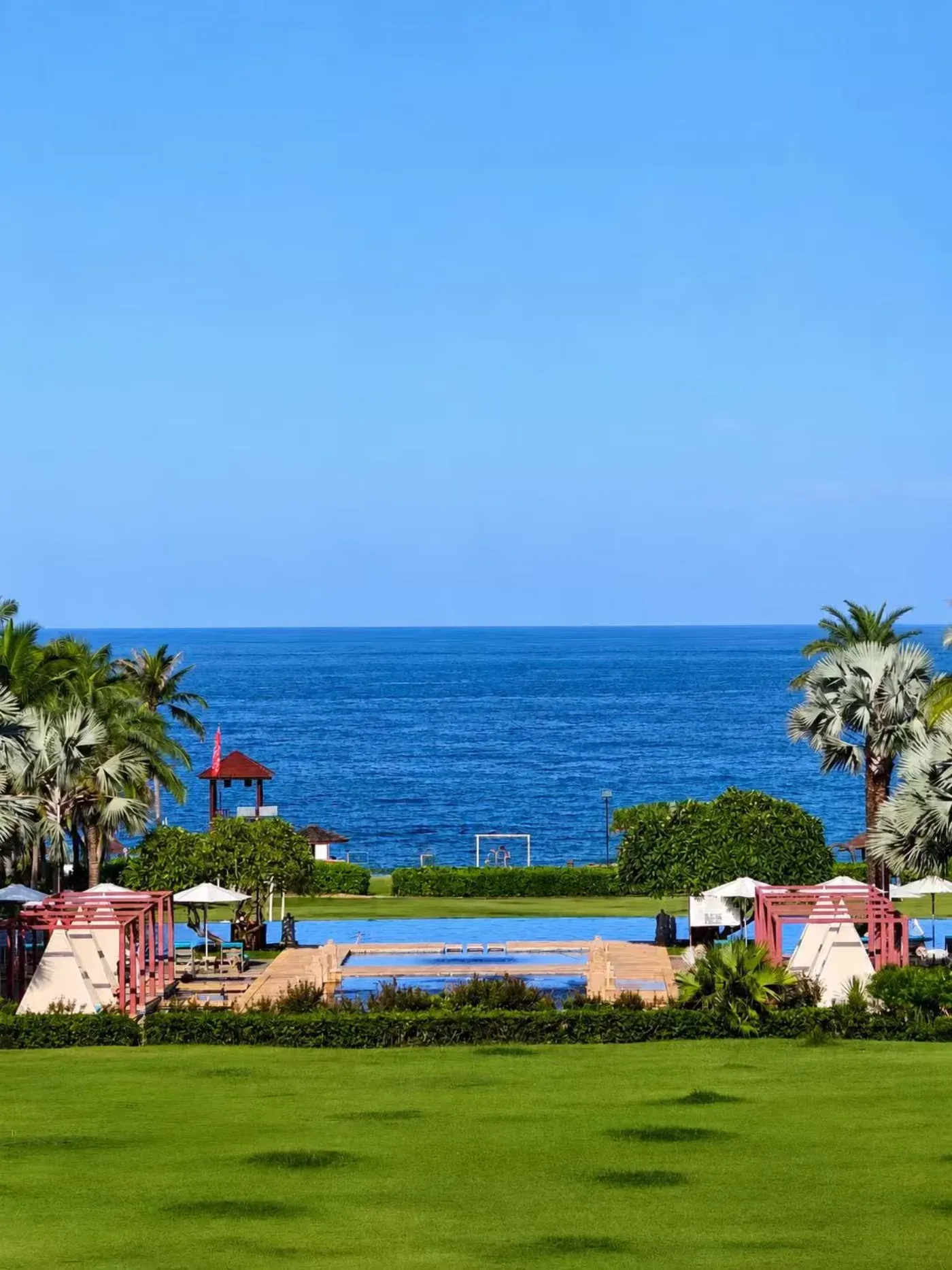
Sanya's coastline is split into distinct bays, and the one you choose more or less defines the trip. Here's the honest rundown:
- Sanya Bay (三亚湾) — central, budget-friendly, the best sunsets, easy airport access. Good for your first night.
- Dadonghai (大东海) — the most walkable and foreigner-friendly stretch, with marked swim zones and real nightlife. This is where you'll actually see other travelers.
- Yalong Bay (亚龙湾) — the finest sand and the resort clusters. Pick this if you want a classic beach-resort week.
- Haitang Bay (海棠湾) — the luxury end: big international hotel brands and duty-free malls. Come here to spend.
- Taiyang Bay (太阳湾) — a cliff-backed stretch famous for its S-curve coastal road (search "太阳湾" in Amap or just tell your DiDi driver Taiyang Bay — the road itself has no separate name). Best treated as a day-trip destination for snorkeling and photos rather than a base.
- Houhai Village (后海村) — the surf hub. Young, a little rough around the edges, backpacker energy.
A few specific calls worth borrowing: the Capella (嘉佩乐) has a private beach and free tennis if you're splurging. If you want surf access at Houhai without the village's all-night noise, the Shilanyu Hotel (石澜屿) sits ten quiet minutes away. On a tighter budget, Yiting Hotel (怡庭) runs around ¥100 a night and stays surprisingly central.
The Water: Sanya's Real Headliners
This is what actually separates Sanya from a generic beach holiday.
Learning to Surf in Houhai
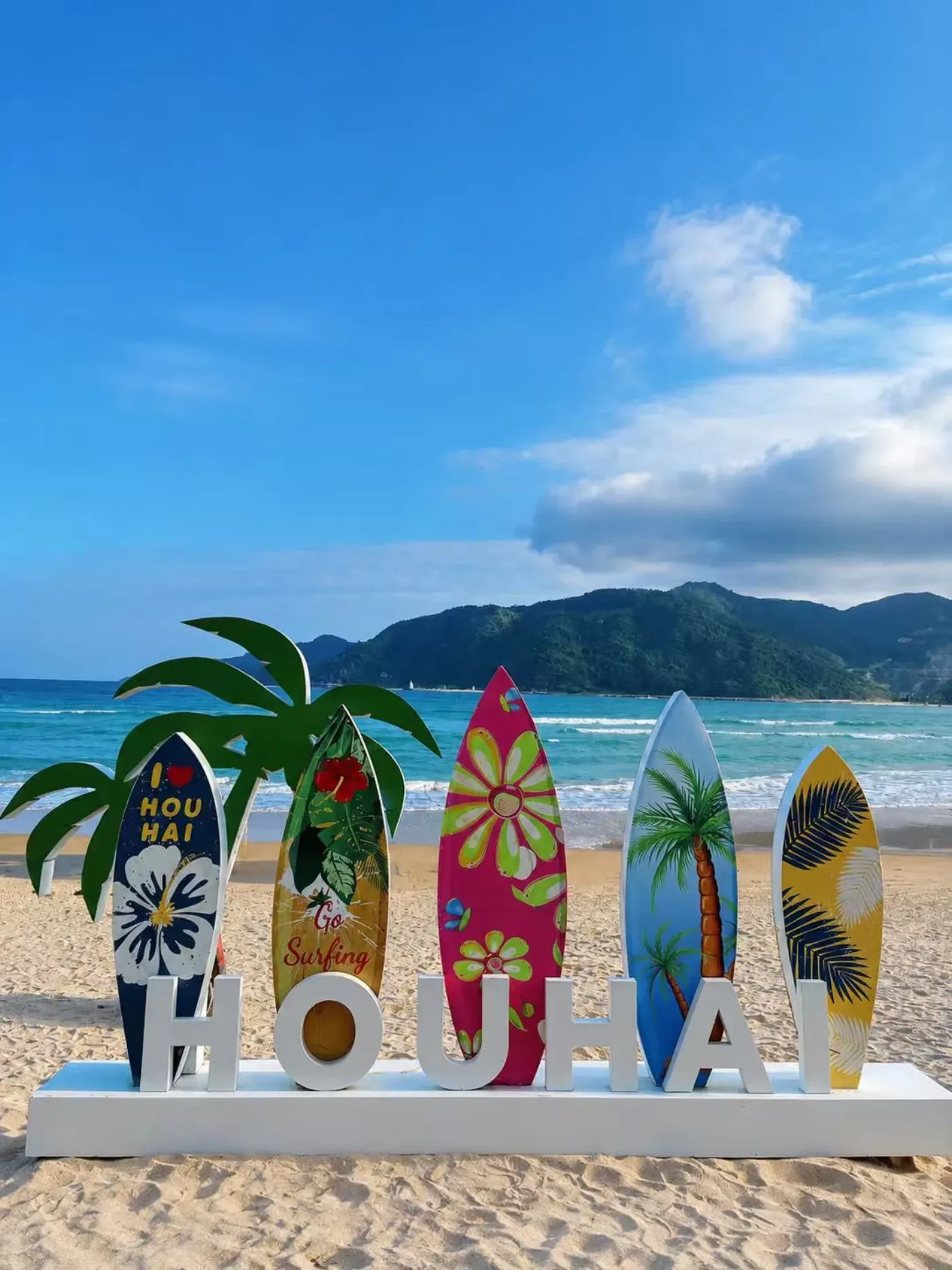
If you've ever wanted to try surfing, Houhai is where to do it. The swell is small and forgiving, the seabed shelves out gradually, and the beginner stand-up rate is genuinely high. Local shops run an all-in package — board, wetsuit, and a coach — for around ¥160 per person.
I'd point you toward a shop like Jile Surf (亼樂); their coaches get consistently solid feedback. Book a late-afternoon slot: the light softens, the sunburn risk drops, and the photos come out noticeably better.
One thing worth knowing before you book a B&B in the village itself: they're fun, but loud into the night. The Shilanyu Hotel nearby gets you surf access minus the noise. For food, seek out Guanhai (观海) or Sanhe (三和) over the marked-up spots on the main strip, and drink young coconuts (¥7–15) at every opportunity you get.
Scuba Diving at Wuzhizhou Island
This is Sanya's marquee experience, and the reassuring part is you don't need to know how to swim — a coach guides you one-on-one the entire time underwater, and the whole operation is built around first-timers.
The logistics matter more than you'd expect. Book online in advance and take a morning slot — your reservation time doubles as your ticket-check time, and every stage of the day involves a queue. Show up late and you'll run out of time to explore the island afterward.
A shortcut most visitors miss: once you're through the entrance channel, don't follow the crowd toward the regular ferry. Divers get routed to a separate fast-track boat straight to the dive hall.
Once there, pick a white dive suit if you're offered a choice — it photographs best — and buy a cheap rash guard (水母衣) to wear underneath; the rental suits run cold and clammy. Disposable underwear and nipple covers are issued alongside it.
The sequence runs: dive hall → pool training (mask, mouthpiece, equalizing your ears, hand signals) → tram to the marina → speedboat out to the dive boat → the coach takes you down one at a time while you wait with an underwater camera and fish food.
Practice your fin kicks before you go. If your kick technique is off, you'll sink the moment the coach lets go, panic, and lose the shot. Ask anyone who's done it.
Coaches are numbered, and the local chatter about them is oddly specific: #59 gets described as no-nonsense but guarantees good shots, #119 is patient and well suited to nervous first-timers, and #149 does the best color grading but books out fast. You can mention a number when you check in at the dive hall, though it's a request, not a guarantee — treat it as local folklore worth trying, not a booking system.
Two last things: take motion-sickness tablets before you board — the return ferry runs against the current and bounces hard — and pick up your paper dive certificate at the hall before you leave the island.
Snorkeling at Taiyang Bay
If full scuba feels like too much commitment, Taiyang Bay's snorkel packages are the lighter, still-excellent alternative. The bundle typically covers the sea-access channel to the ticket booth, a lifejacket, a yacht ride out for snorkeling, an inflatable raft (locally called the 魔毯, "magic mat"), a slide, jumping off the boat, and a glass-bottom boat pass. The return trip usually includes a speedboat ride. The water here runs "jelly sea" clear, and crowds are noticeably thinner than Wuzhizhou — a strong half-day paired with photos along the S-curve road.
Where It's Actually Safe to Swim
Not every stretch of coastline here is a swim beach, and this trips people up.
- Dadonghai is the default choice — marked swim zones (look for Zone 2), lifeguards on duty, full facilities. It gets crowded (locals joke it's packed "like dumplings"), but it's the safe, easy option, and where you'll see the most foreigners.
- Yalong Bay has the best sand and the cleanest swim water. The left side of the public beach has its own well-known leaning-coconut-tree photo spot — not the same tree as the one on West Island below, despite the identical nickname.
- Houhai is shallow and knee-deep close to shore — good for kids and total beginners.
- Xiaodonghai (小东海) is genuinely beautiful but not a swim beach — it's rocky and unpatrolled. Treat it as a tide-pooling and photo stop: check the tide chart and wear grippy shoes.
- Guijingjiao (龟颈角) has clear water where people float and paddleboard, but skip the temptation to climb the cliffs.
- Wuzhizhou and Taiyang Bay are only swimmable through their paid tour programs, not as open beaches.
Wherever you end up, SPF 50+, a hat, and a rash guard aren't optional — the UV here is brutal — and water shoes handle the rocky seabeds well.
Beyond the Beach: What Else Is Worth Your Time
Sanya isn't purely an ocean itinerary. A handful of things earn a slot even if you're beach-first:
Wuzhizhou Island beyond its diving is worth a full day on its own — ferry ¥144, island tram ¥128. Go early; it fills up fast.
West Island (西岛) is the cheaper, more artsy alternative, known for its own leaning coconut tree (a different one from Yalong Bay's) and a coral-wall photo spot.
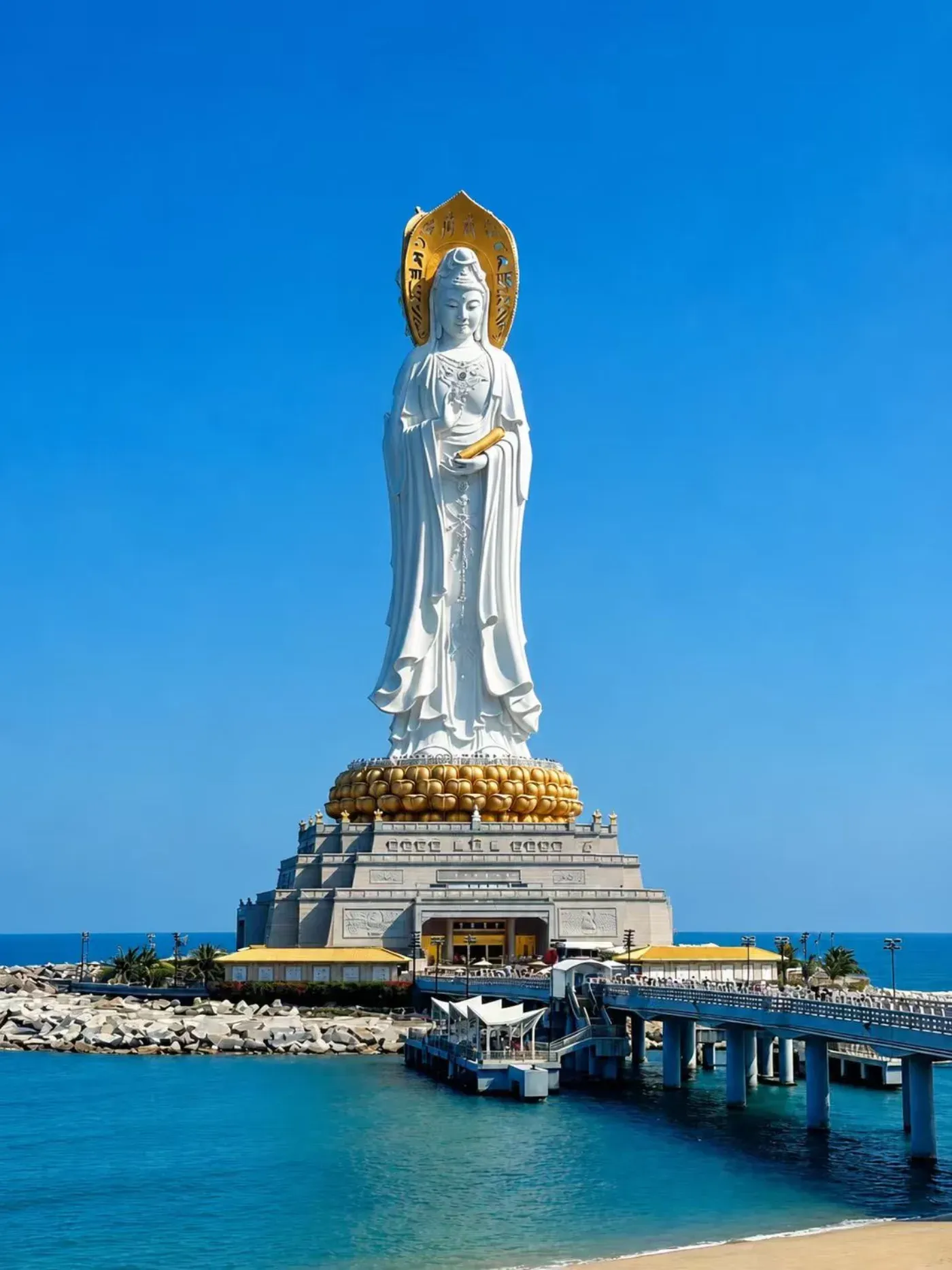
Nanshan Temple and the 108-meter Sea Guanyin (南山寺) genuinely earns the hype — a giant Buddha statue facing the open water. Entry plus tram runs ¥159, open 8:00–17:00; if you arrive by car or taxi, there's a free shuttle from the P2 parking lot to the entrance. From here, a 9-minute ride on the local tourist train (旅游小火车 — a sightseeing shuttle, not the intercity railway) connects straight to Tianya Haijiao.
Tianya Haijiao (天涯海角) — literally "Edge of the Earth" — is free with advance booking and delivers a genuinely good sunset.
Yalong Bay Tropical Paradise Forest Park trades sand for jungle, a glass bridge, and cooler mountain air, for ¥148.
The Coconut Dream Corridor (椰梦长廊) is Sanya's go-to sunset strip — arrive between 6 and 7pm near the Haiyun Hotel, and it costs nothing.
Dream City (海昌梦幻不夜城) runs a nighttime parade around 9pm if you want a splashier evening option.
Luhuitou (鹿回头) hilltop viewpoint gives you a wide sunset view over Sanya Bay, but it's only worth the climb on a clear evening — on a hazy day, the free view from the Coconut Dream Corridor down at sea level is just as good without the effort.
Eating Like a Local
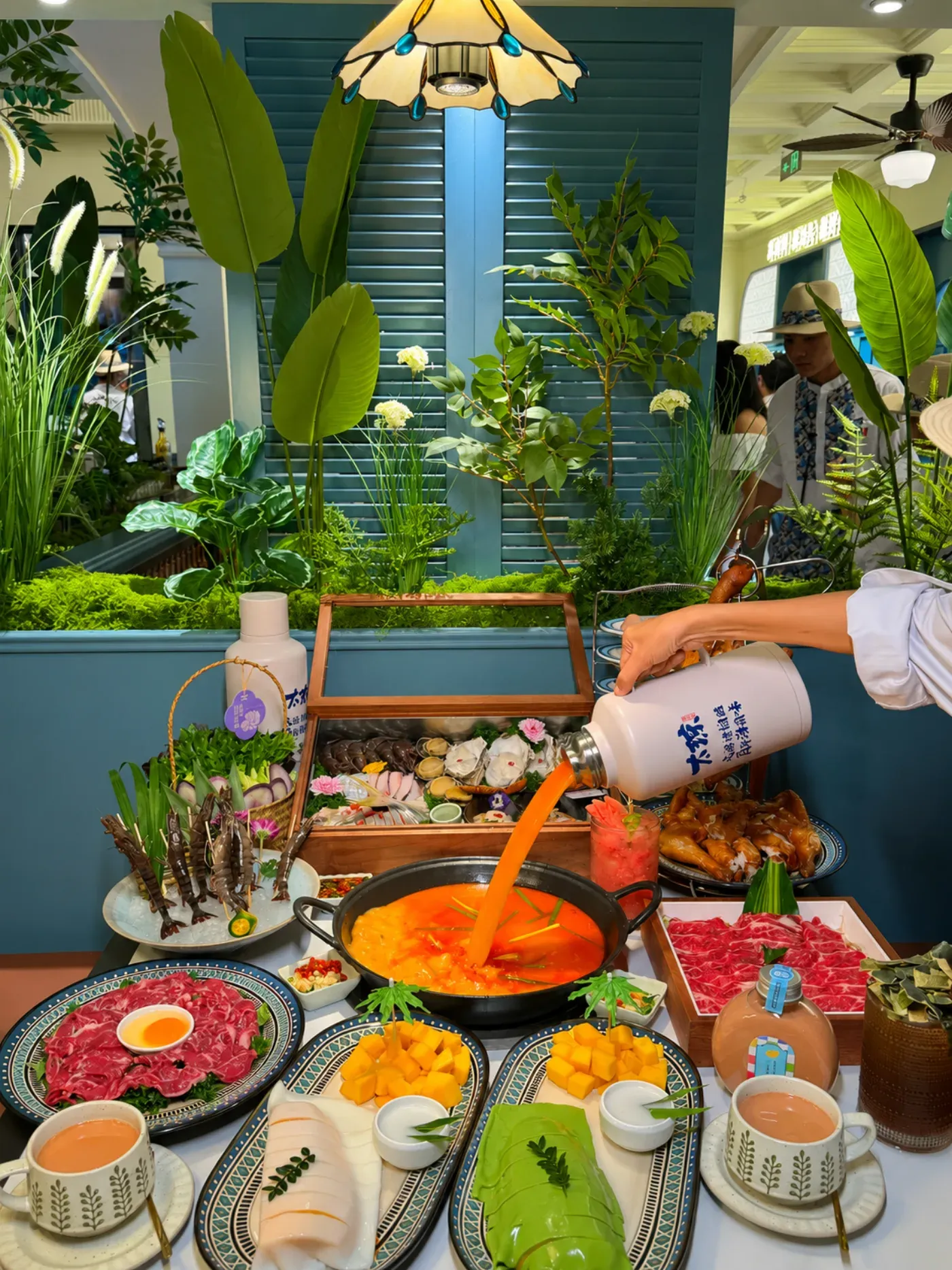
Skip the hotel restaurant menu and go hunting.
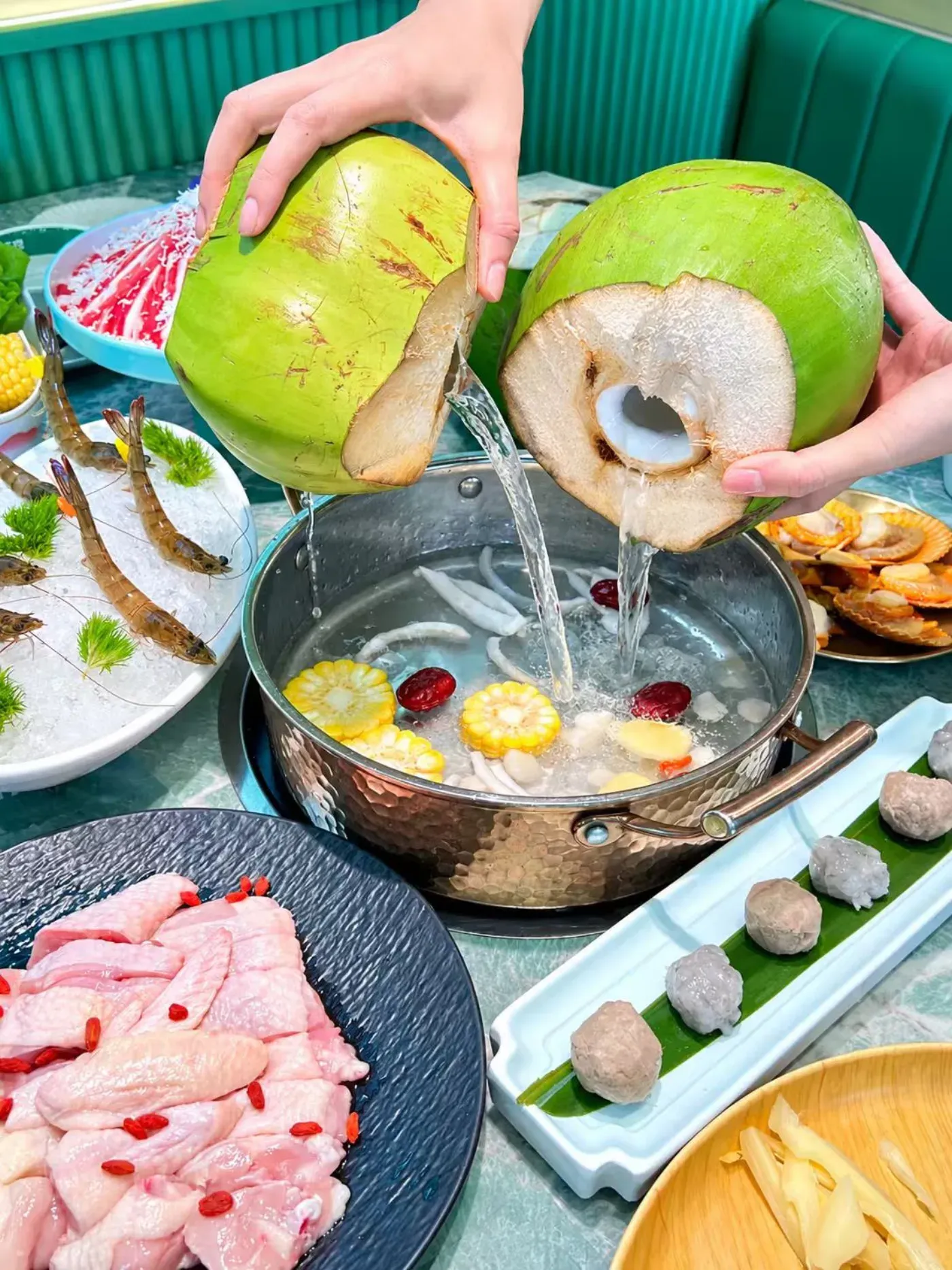
Coconut chicken hotpot (椰子鸡) is Sanya's signature dish — Qiongxi Xiaoguan (琼禧小馆) does a solid version, and part of what makes it distinct is that the broth itself is built on real coconut water, not just coconut flavoring. Zaopocu hotpot (太琼糟粕醋), a sour-spicy broth, pairs unexpectedly well with seafood.
For fresh seafood, head to Hui Village (回民村) or No. 1 Market (第一市场): buy the catch yourself, then pay a nearby stall to cook it. Confirm the price per jin (斤, 500 g) up front and photograph the scale reading — this is the single spot where visitors most often get overcharged.
Qingbuliang (清补凉), a cold coconut-milk dessert, is a genuine lifesaver in the heat. It runs about ¥13 a bowl in a local neighborhood like Liupan Village versus ¥25 in the tourist zones — eat in the "villages," not the scenic strips.
On West Island, track down Hu Po's herb duck (虎婆香草鸭). In Dadonghai, No. 87 Fishing Boat Seafood (87号渔船海鲜) does a good oyster rice and seafood congee.
A 5-Day Sanya Itinerary You Can Steal
Day 1 — Land and settle. Check into Sanya Bay, catch sunset on the Coconut Dream Corridor, and eat street food at Xianmang Night Market (鲜芒夜市), a local night-market strip a short ride from Sanya Bay.
Day 2 — Surf. A late-afternoon Houhai lesson (¥160 all-in), dinner in the village after.
Day 3 — Dive. A morning slot at Wuzhizhou with a coach like #59 or #119, then Dream City's night parade.
Day 4 — Snorkel or slow down. Either a Taiyang Bay snorkel trip, or a lower-key day of Xiaodonghai tide-pooling and Guijingjiao, capped with a Luhuitou sunset.
Day 5 — Culture and departure. Nanshan Temple and the Sea Guanyin, the tourist train to Tianya Haijiao, a final coffee by the water in Tianya Town — then the airport.
Sanya rewards the traveler willing to do a little homework before they land — set up Alipay, book the morning dive slot, pick the right bay for what you actually want out of the trip — and then does very little to get in your way after that. Pack the sunscreen and go find your own coconut-tree sunset.