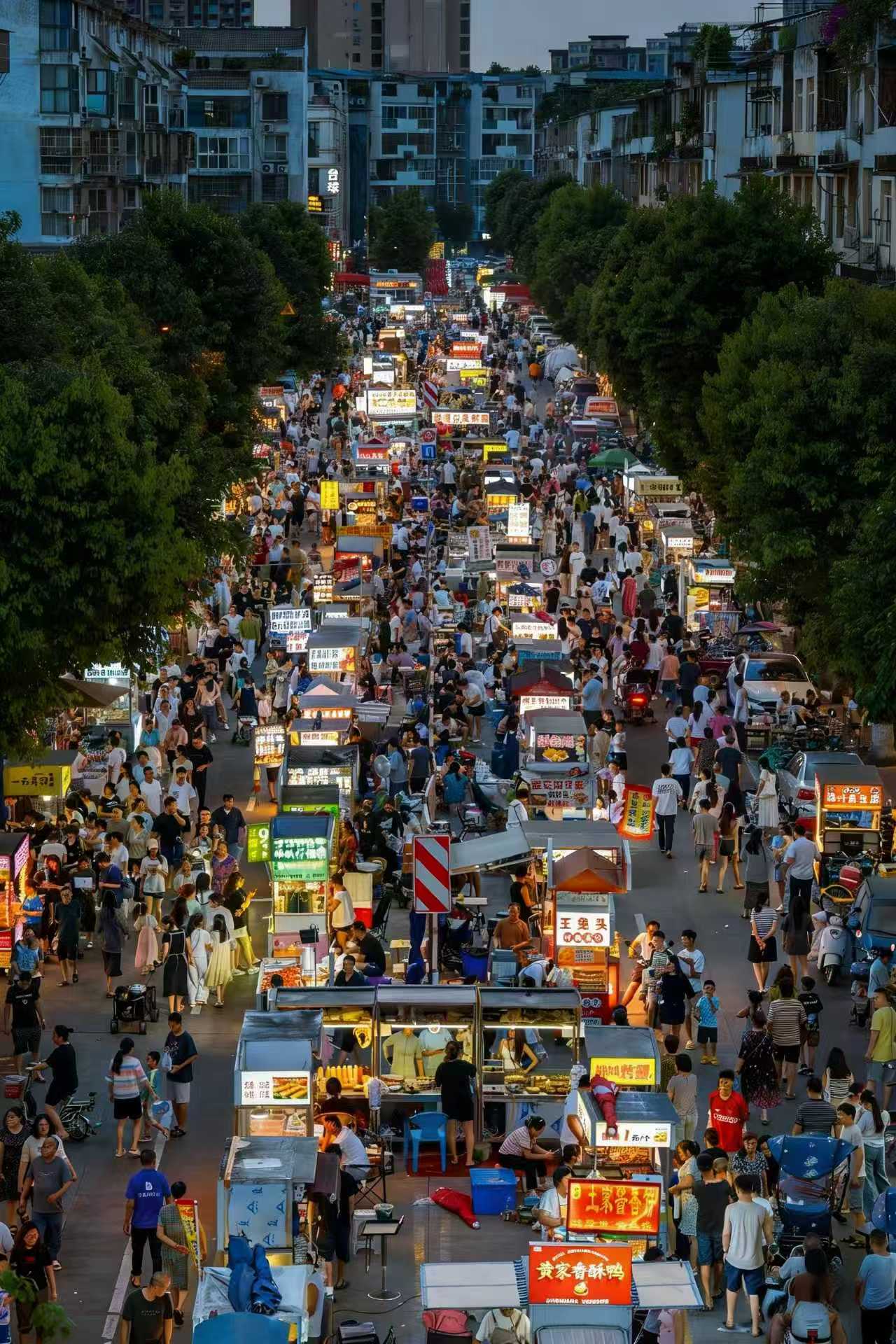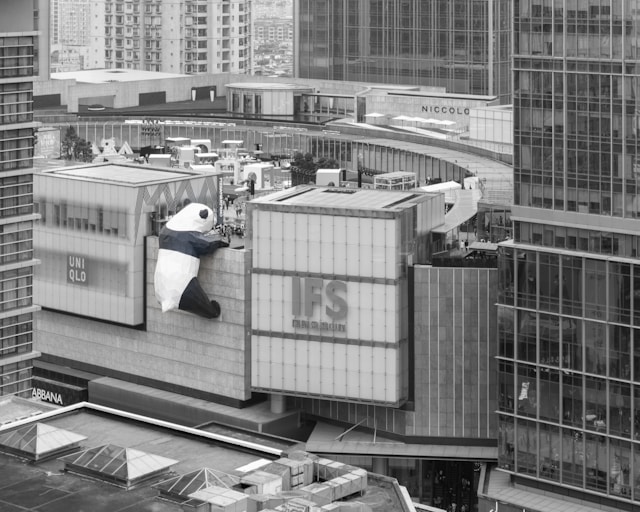
Chengdu doesn't feel like a 20-million-person megacity, but it is one — a population roughly the size of Beijing's, more than double Hangzhou or Suzhou. The city's car-plate system (川A) literally ran out of numbers years ago and had to add new prefixes. And yet, somehow, life here moves slower than anywhere else in China.
For first-time visitors arriving from Beijing or Shanghai, Chengdu is where you stop sprinting.
Why Chengdu is worth a first stop
Chengdu is a city where nobody is in a hurry. Teahouses stay full from 10 AM to midnight. Hotpot tables linger for three hours. Giant pandas — yes, real ones — eat bamboo a 20-minute metro ride from the city center.
What kind of traveler Chengdu is best for
Chengdu is especially strong for travelers who want:
- Pandas (this is the best place in the world to see them)
- Sichuan food done right — hotpot, mapo tofu, dan dan noodles
- A slower pace after bigger cities
- A base for Sichuan day trips (Dujiangyan, Leshan, Mount Qingcheng)
- Culture without ancient-monument fatigue
It works well as a palate cleanser between more intense cities.
Signature Chengdu experiences
- Chengdu Research Base of Giant Panda Breeding — best visited at opening
- Jinli Old Street — touristy but atmospheric at night
- Wuhou Shrine — Three Kingdoms history in a quiet temple
- Wide and Narrow Alleys (Kuanzhai Xiangzi) — restored Qing-era lanes
Real Chengdu food (and the tourist trap to avoid)
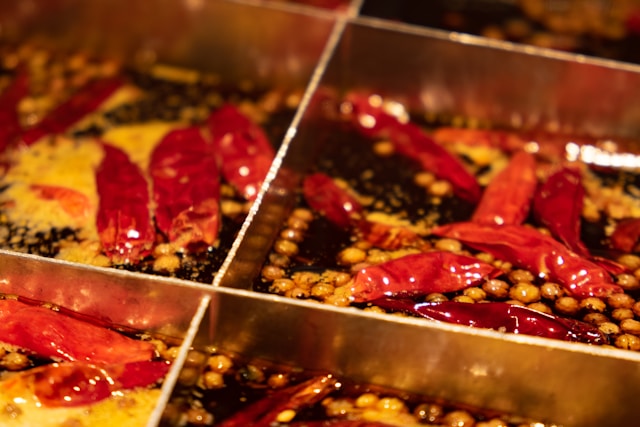
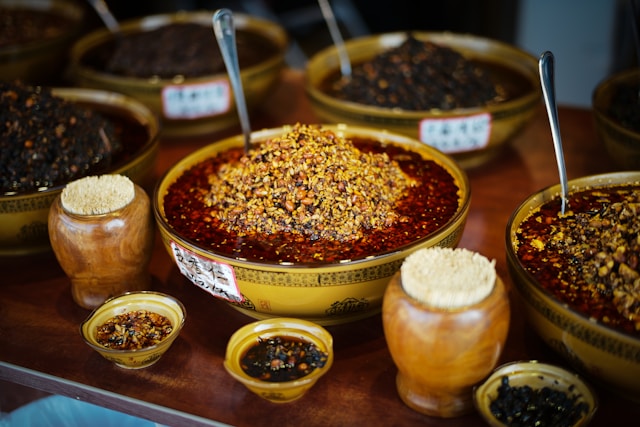
Sichuan cooking leans heavy on oil and salt — that's not a flaw, it's the point. The heat is layered with numbing Sichuan peppercorn (麻辣 málà), not just chili.
Three things to actually eat:
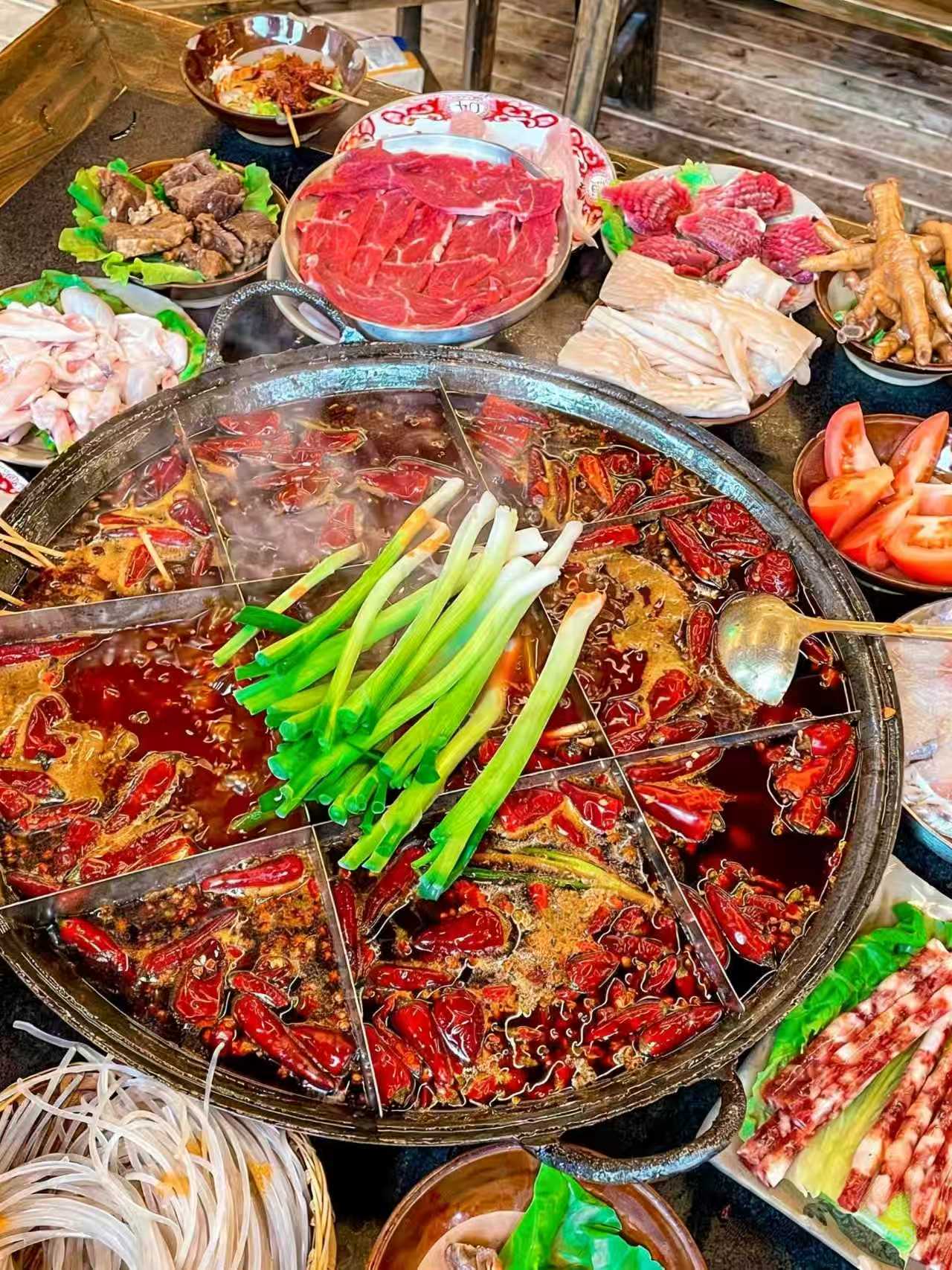
- Hotpot (火锅) — the signature. Many hotpot venues put on a quick Sichuan opera face-changing performance (变脸 biànliǎn) mid-dinner; pick a place that advertises it if you want the spectacle.
- Maocai (冒菜) — "personal hotpot": pick raw ingredients from a counter, the kitchen blanches them in spiced broth and serves it as one bowl. Cheap, fast, solo-friendly.
- Chuanr / skewers (串串) — grab skewers off a rack, cook them yourself at the table, pay by the stick at the end.
The biggest tourist trap: the Instagram-famous restaurants on Taikoo Li, Chunxi Road, and Jinli. Glossy interiors, English menus, lines outside, flavors are dialed down — easily 100 yuan per person at those spots, vs 30-40 yuan at a real local place. The real best meals are at cāng yíng guǎn zi (苍蝇馆子, literally "fly restaurants") — small, unmarked, often tucked into alleys with no foot traffic. They stay full anyway, because locals make the trek. The tell: a place with no foreigners but packed at lunch is almost always good.
Why Chengdu lives in its teahouses
Chengdu's teahouse culture comes in two flavors, and locals use them differently:
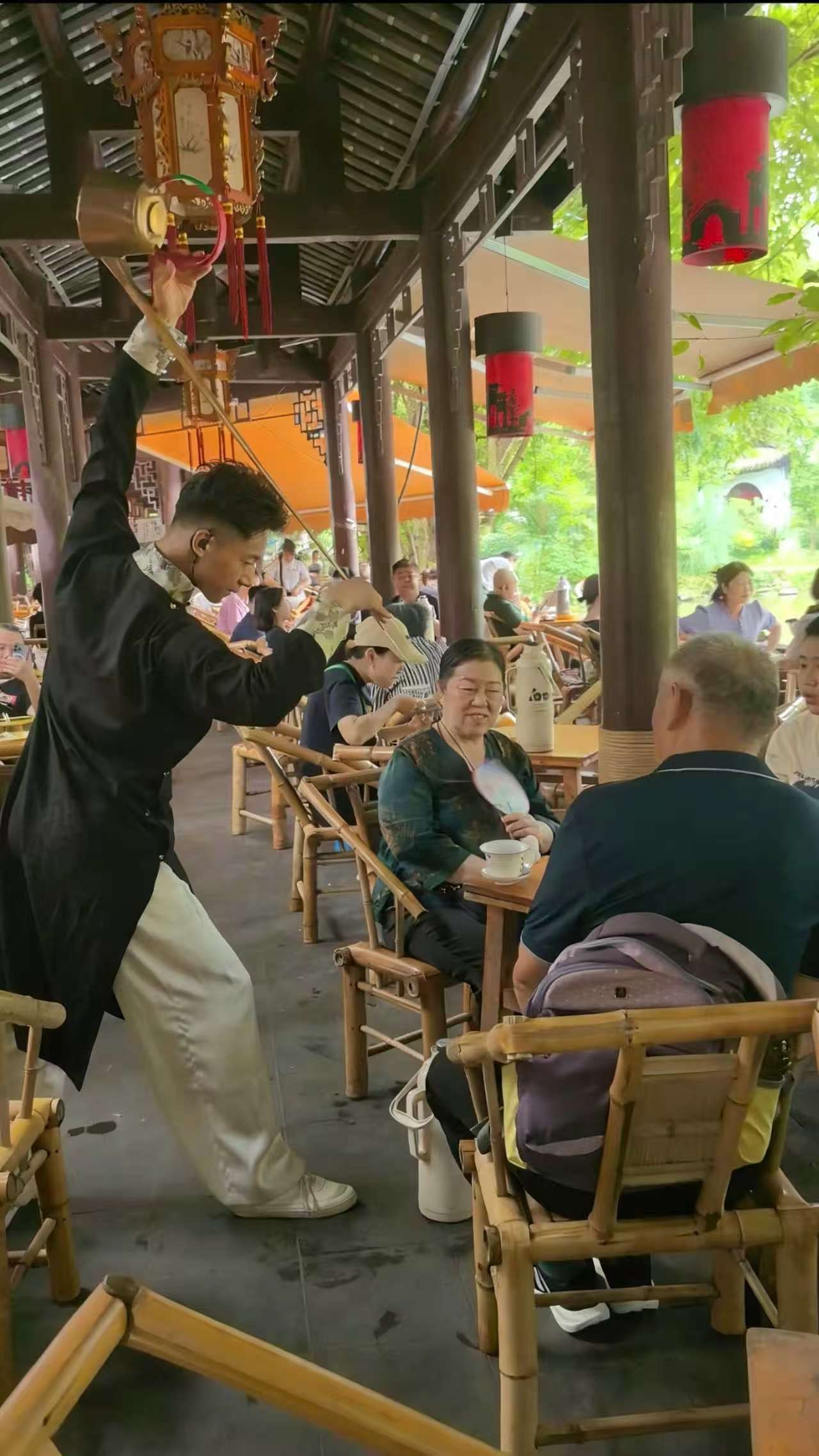
Park teahouses — outdoor tables under bamboo or willow trees in Renmin (People's) Park or Huanhuaxi Park. This is where Chengdu old-timers spend half a day with one bowl of jasmine tea, chatting, and — yes, really — getting their ears cleaned by a passing 采耳 (cǎi'ěr) practitioner with a long thin metal pick. First-timers often think this is staged for tourists. It isn't.
Indoor teahouses (茶楼 chálóu) — these are mostly for mahjong. The clatter of mahjong tiles is the actual soundtrack of indoor Chengdu afternoons. Tea is the excuse; mahjong is the reason. If you don't play, the park is the better experience.
Either way, a bowl of tea (盖碗茶 gàiwǎn chá) is about 20 yuan, and the staff just keeps refilling your hot water all afternoon. Three hours is normal; an entire afternoon isn't weird.
How Chengdu fits into a China trip
Chengdu works well as:
- A soft third stop after Beijing and Xi'an (or Beijing and Shanghai)
- A gateway to western China — Jiuzhaigou, Tibet, Yunnan
- A food-focused destination for culinary travelers
- A relaxed break between bigger cities
Most first-time visitors spend 3 days. Stay longer if you want day trips to Leshan Giant Buddha or Mount Qingcheng.
Quick orientation
- Best time to visit: Spring (March–May) and autumn (September–November). One thing first-timers don't always read about: Chengdu sits in the Sichuan Basin, ringed by mountains. The mountains are beautiful but they also block the wind, so winter air gets stuck — December and January can be visibly hazy, even on a clear-looking day. Temperatures stay mild (rarely below 5°C) but the sky won't.
- Getting around: Metro covers the main tourist sights and runs until ~11 PM. DiDi is roughly half the price of Beijing — a 20-minute ride is usually under 30 yuan. But traffic in central Chengdu is heavier than the "relaxed city" reputation suggests (川A car plates ran out of numbers, remember) — for short hops, metro almost always wins.
- Preparation: Book Panda Base tickets online for the first morning slot.
Before you plan the details
- Visa and entry rules — Chengdu is a standard entry point, same rules as elsewhere
- Payment in China — Alipay works throughout Chengdu
- Essential travel apps — DiDi, translation, Baidu Maps
- Transport basics — Shuangliu and Tianfu airports; high-speed rail to Xi'an, Chongqing, Beijing
For detailed Chengdu reading — itineraries, panda tips, hotpot guides — scroll down.