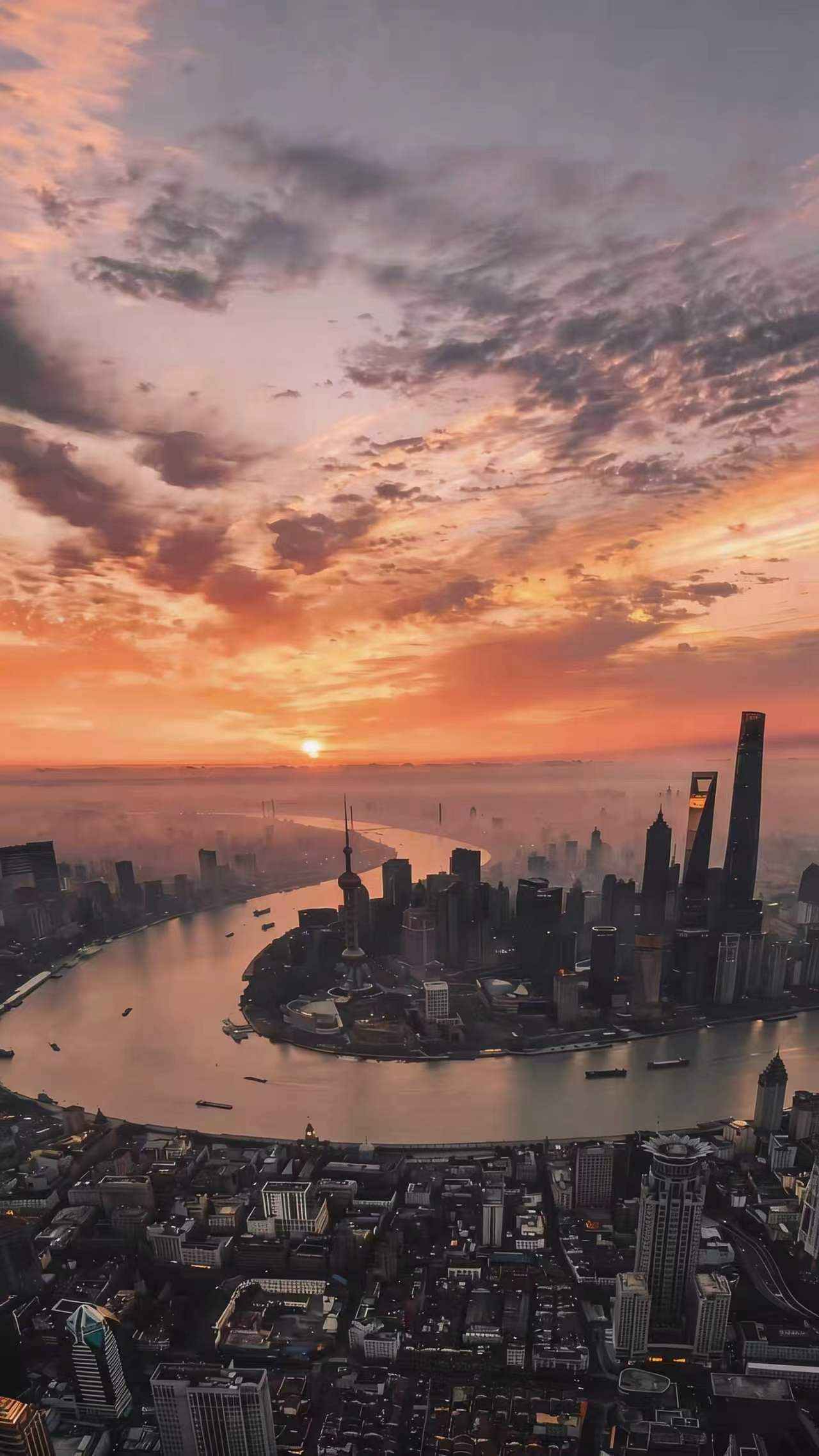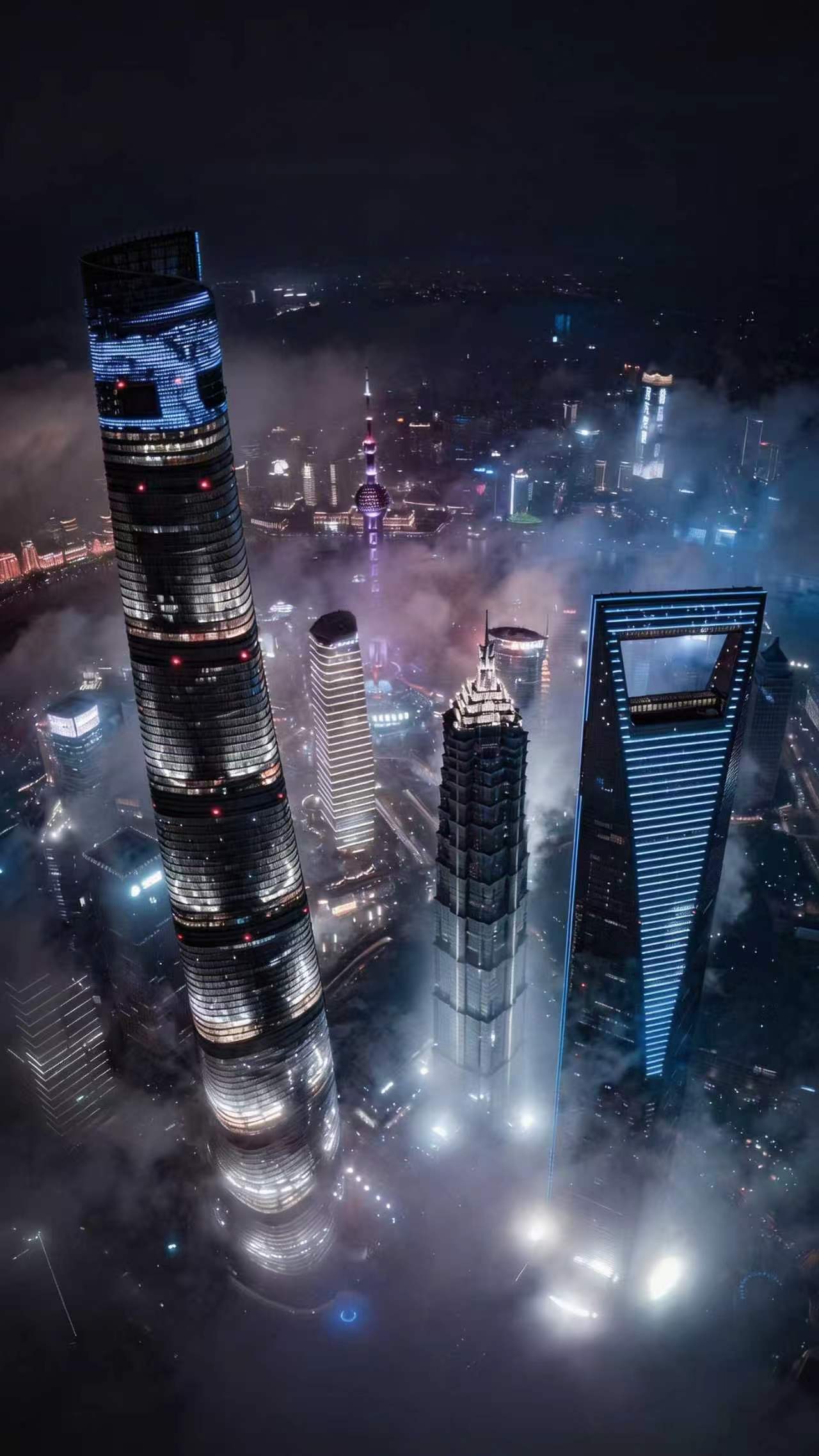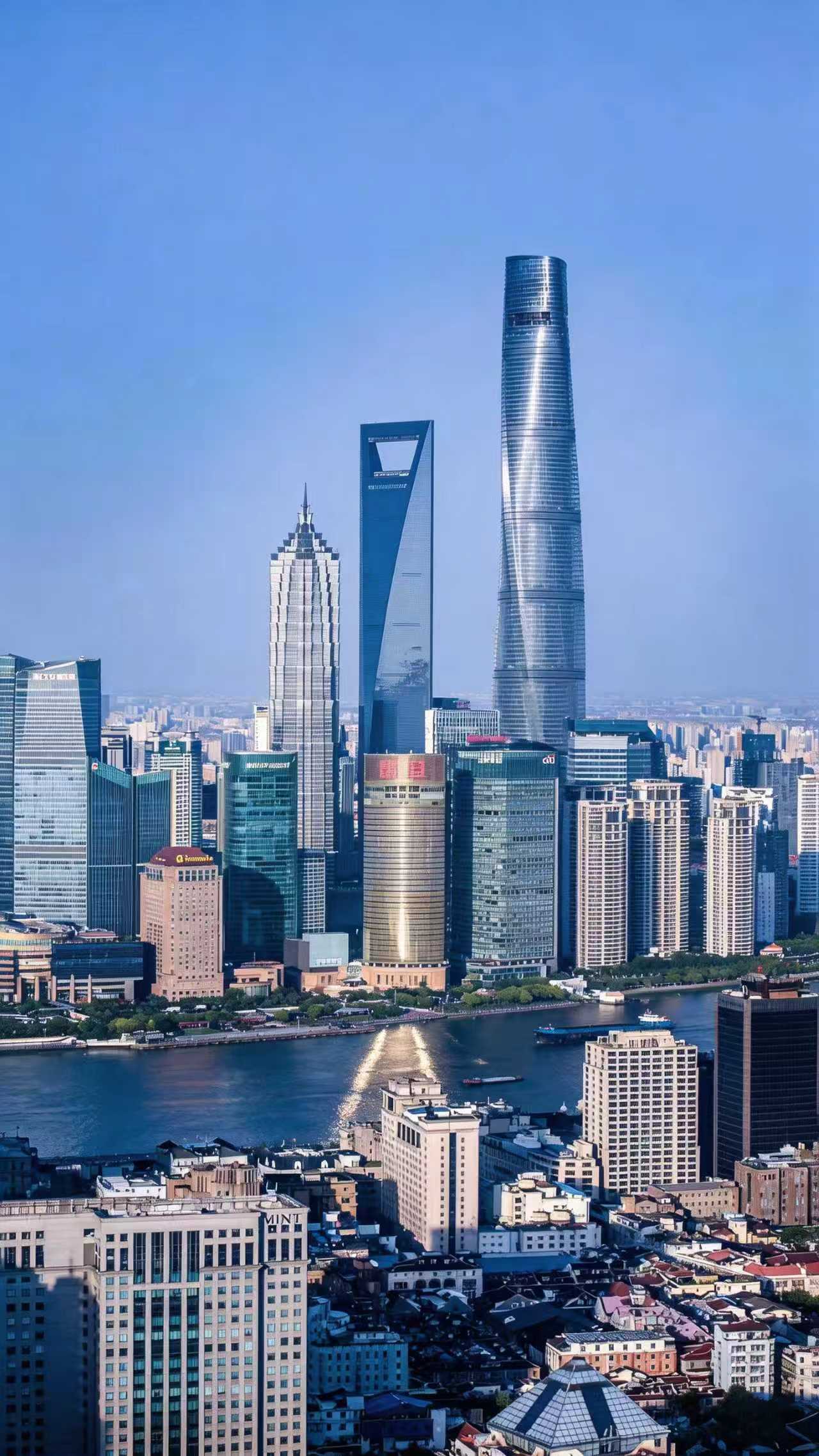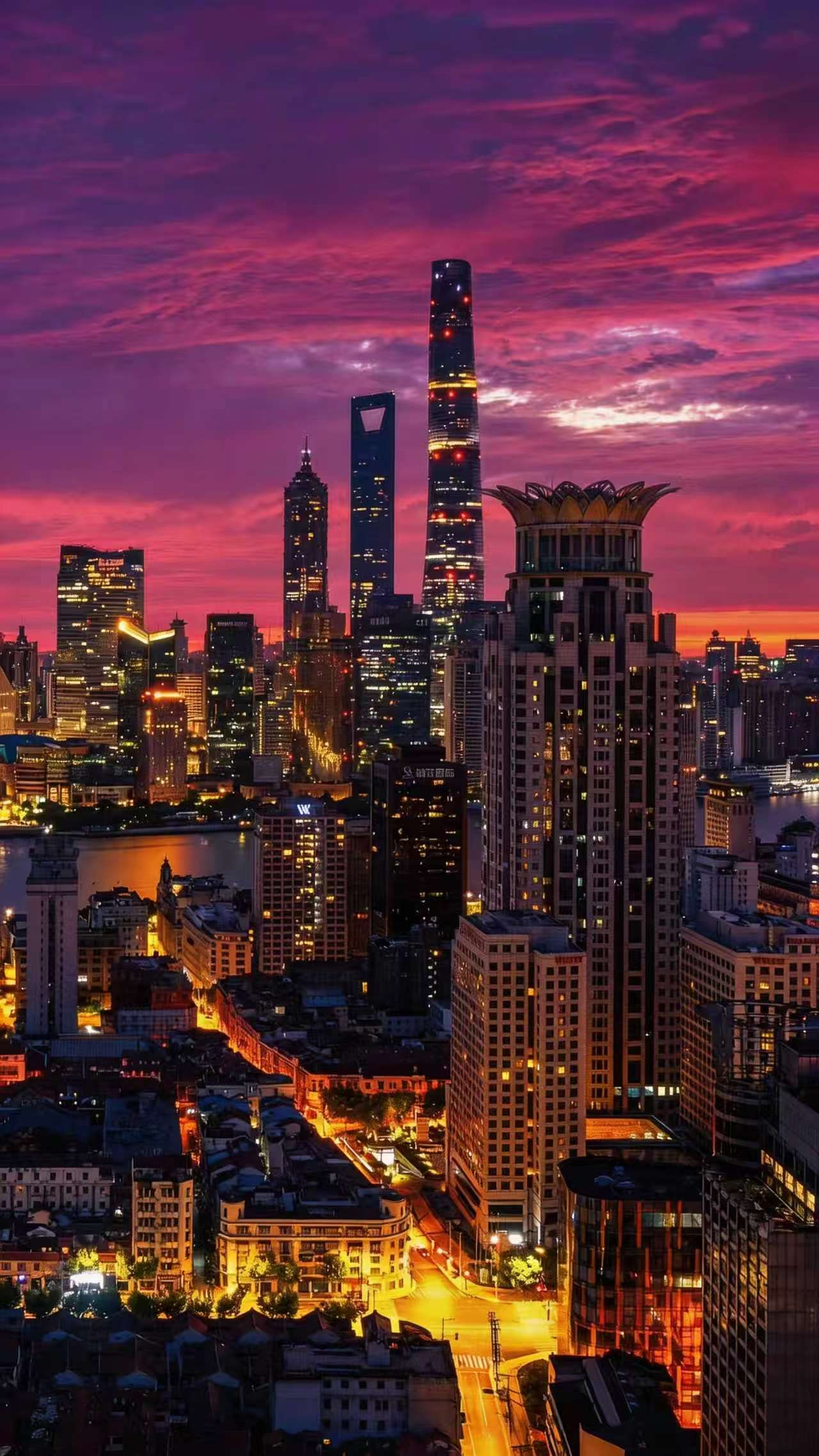
Shanghai is the easiest city in China to land in for a first trip — the metro covers everything, payments work smoothly, English signage is everywhere, and the scale of the city is something most travelers recognize immediately.
If Beijing is the history-first introduction to China, Shanghai is the modern-urban one. Both work as first stops; this guide covers when Shanghai is the right pick, and what to lock down before you arrive.
Why Shanghai works for a first-time visit
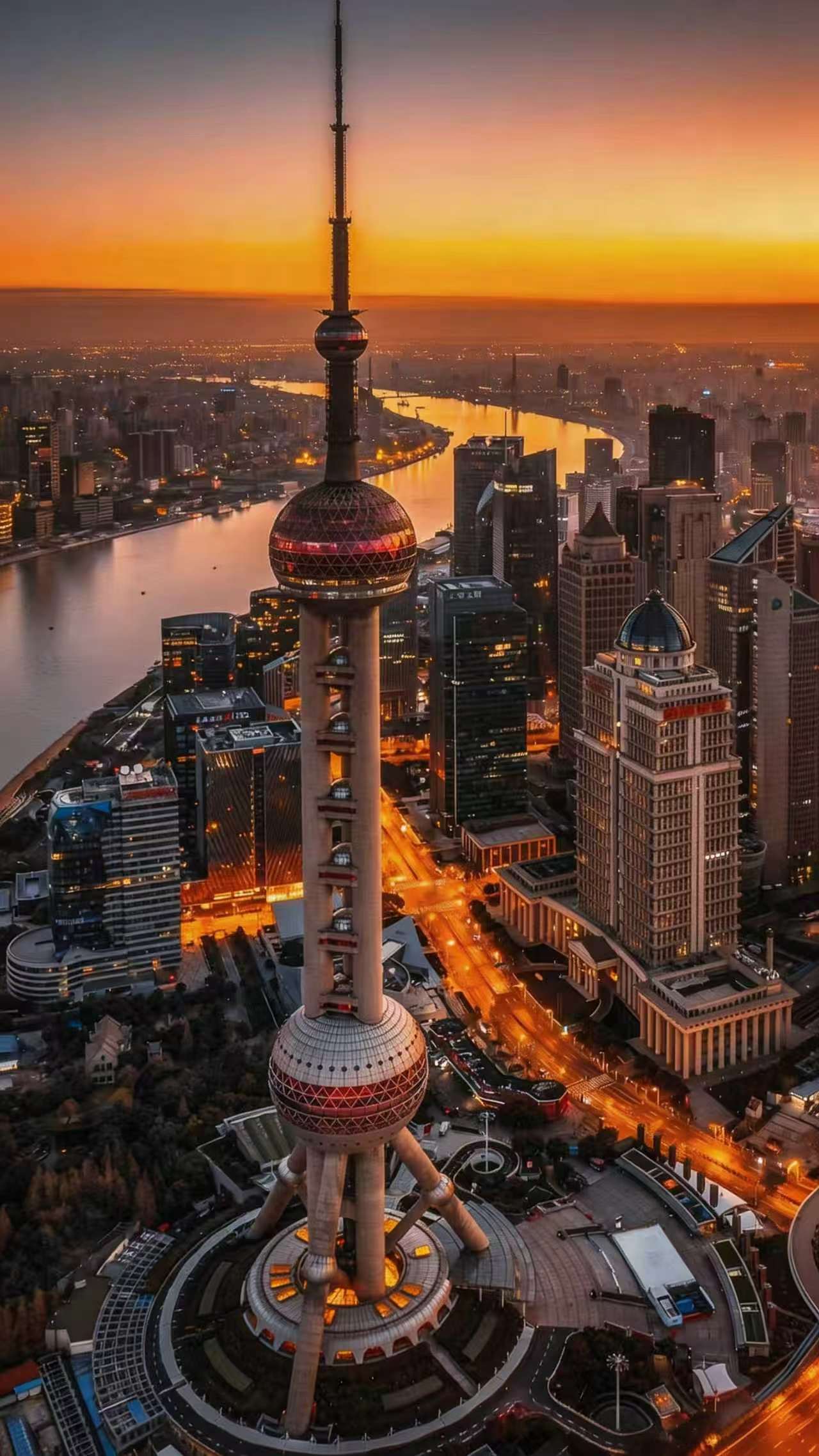
Shanghai is large but navigable. The Bund, the Pudong skyline, the French Concession, Yu Garden, Nanjing Road, and a serious food scene are all inside a tight core connected by Metro Line 2 — the city's real backbone, which runs east–west from Hongqiao in the west all the way to Pudong Airport in the east, passing through Nanjing East Road (the closest metro stop to the Bund) and Lujiazui on the way.
For most first-time visitors, three days covers the highlights without the trip feeling rushed.
What kind of traveler Shanghai is best for
Shanghai suits travelers who want:
- A modern-China first impression rather than an imperial one
- Skyline views, neighborhood walking, and strong food
- Smooth infrastructure — metro, payments, English support
- A base for day trips to Suzhou, Hangzhou, or nearby Jiangnan water towns
It works less well if you want ancient history or rural scenery as the main draw. In that case, pair Shanghai with Beijing or Xi'an for historical depth.
Signature Shanghai experiences
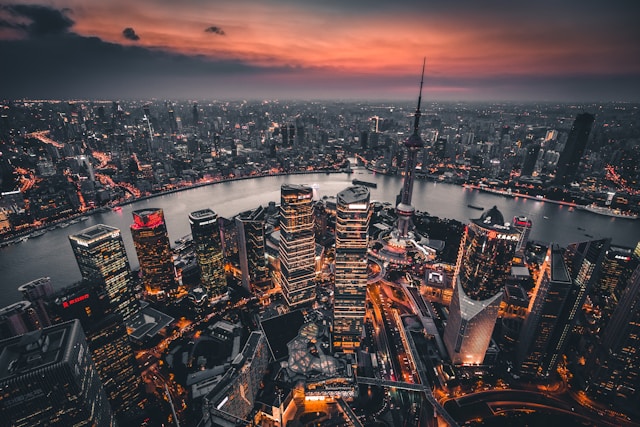
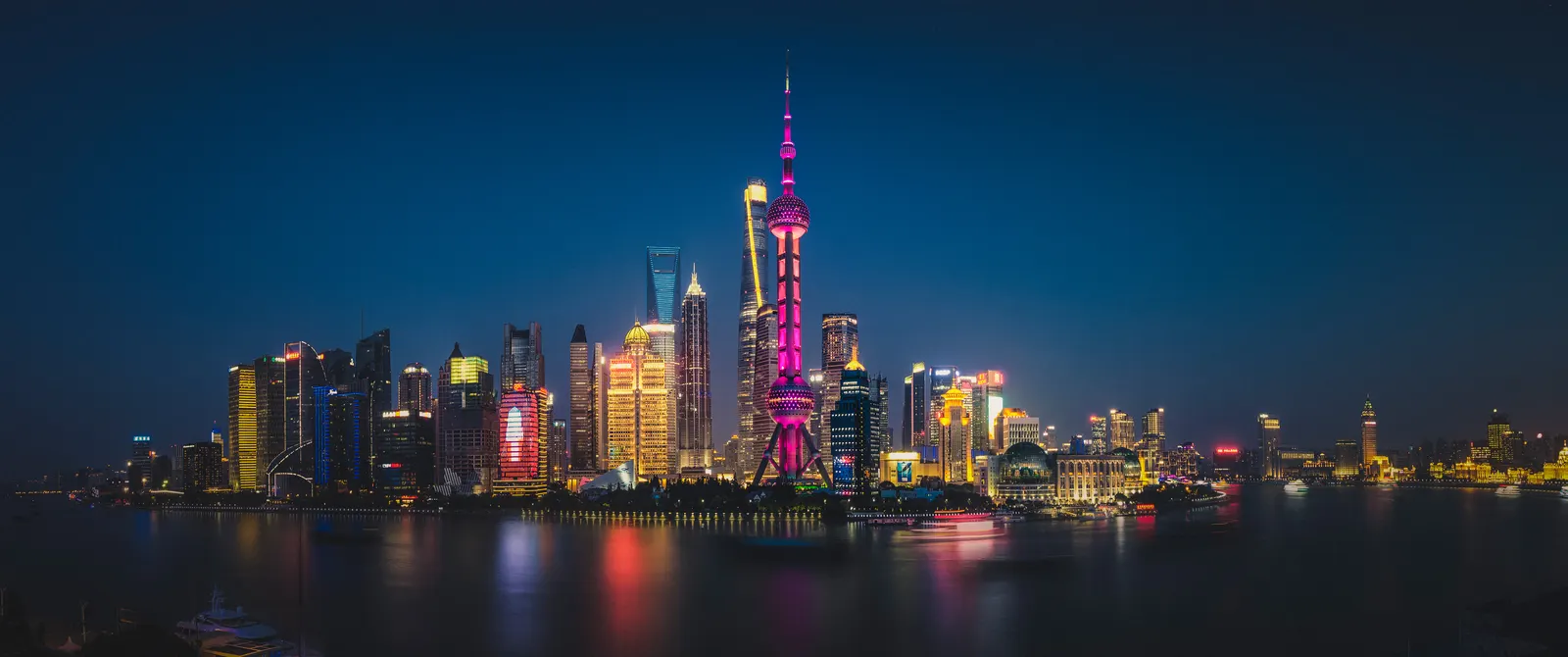
- The Bund at night — the classic Shanghai skyline photo. Stand on the Bund promenade on the Puxi side and look across the Huangpu River at the Pudong towers. (Many first-timers get this backwards and end up on the Pudong side looking at the wrong thing.)
- Lujiazui observation decks — Shanghai Tower, Jin Mao, and SWFC. Pick one — unless you're really into skyscrapers, doing all three is usually overkill; the views are similar enough.
- French Concession walks — tree-lined lanes, cafés, and old shikumen lane houses. The neighborhood rewards aimless wandering more than a fixed list of streets; pick a metro stop inside the area and walk until something catches your eye.
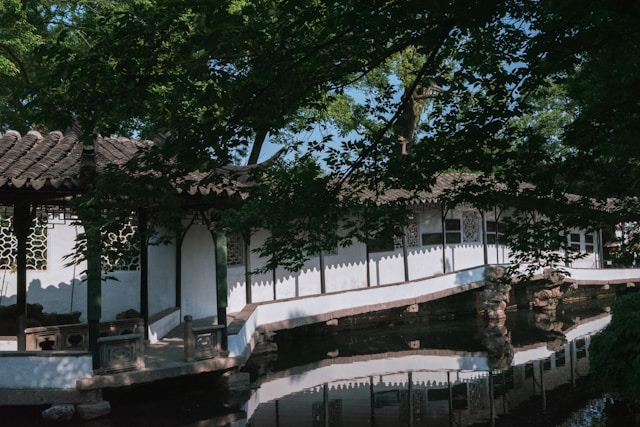
- Yu Garden and the Old Town — traditional gardens and crowded old-style alleys next to modern skyscrapers. Busy, touristy, but genuinely worth a morning.
- Nanjing Road — the historic shopping spine. Walk it once between People's Square and the Bund; don't plan a whole afternoon here.
- Xiaolongbao — the classic Shanghai order. One widely-recommended spot: Nanxiang Mantou Dian (南翔馒头店), Yu Garden branch — the old-pedigree name for xiaolongbao, heavily frequented by both tourists and locals. Expect a wait. Personal take from someone who tried it once: I'm from Sichuan, so Shanghai-style sweetness isn't quite my default — but that's a regional preference, not a complaint about the dumplings themselves, which are the classic version of the form.
The two airports
Shanghai has two major airports, and they are far apart. Check which one your flight uses before booking a hotel.
- Pudong International (PVG) — the bigger international hub, east of the city, ~50 km from downtown. Metro Line 2 connects it directly to the city center, but it's a long ride (~70 minutes to People's Square). Many travelers with luggage prefer a DiDi or taxi despite the distance — it's door-to-door, which matters after a long flight.
- Hongqiao (SHA) — mostly domestic + some regional, west of the city, right next to Hongqiao Railway Station. Also on Metro Line 2, much closer to downtown.
About the Maglev
Shanghai's Maglev runs between Pudong Airport and Longyang Road (a metro station, not downtown). It's genuinely fast — the experience is often described as closer to a low-flying aircraft than a train, and the whole ride takes about 7 minutes. Worth doing once if you're landing at Pudong anyway and have time to spare; don't make a separate trip back out to the airport just to ride it. After Longyang Road you still need to change to Metro Line 2 to reach the central areas, so it's not a direct replacement for the metro — it's a bonus experience, not a transport strategy.
Quick orientation
- Best time to visit: autumn (September–November) and spring (March–May). Summer is humid and sticky; winter is grey but mild.
- Getting around: Metro is excellent, cheap, and bilingual — your default for most city movement. You can pay at the gates directly with Alipay or WeChat Pay scan-to-pay (no need to buy a physical transport card), which is one of the friendliest first-time-visitor details about Shanghai. Use DiDi for late nights or when you've got luggage.
- Where to stay: a hotel in the Bund / Nanjing East Road area or the French Concession keeps you close to the main experiences and on Metro Line 2.
Before you plan the details
Once Shanghai is on your route, sort these basics first:
- Visa and entry rules — Shanghai is a major port for China's 240-hour transit visa-free policy, which replaced the old 144-hour policy in December 2024. Check the official page for eligible countries and exit rules.
- Payment in China — install both Alipay and WeChat Pay before you fly; both now let foreign visitors bind Visa / Mastercard / JCB directly in the main app. No separate "Tour Pass" step needed.
- Essential apps — DiDi for ride-hail, Amap or Baidu Maps for navigation, Google Translate with the Chinese offline pack, and a VPN installed before you land (most VPN provider sites are blocked from inside China).
- Transport basics — high-speed rail from Hongqiao Railway Station for onward trips to Suzhou, Hangzhou, Beijing, or Xi'an.
For detailed Shanghai reading — itineraries, food guides, and day trips — scroll down to the articles below.