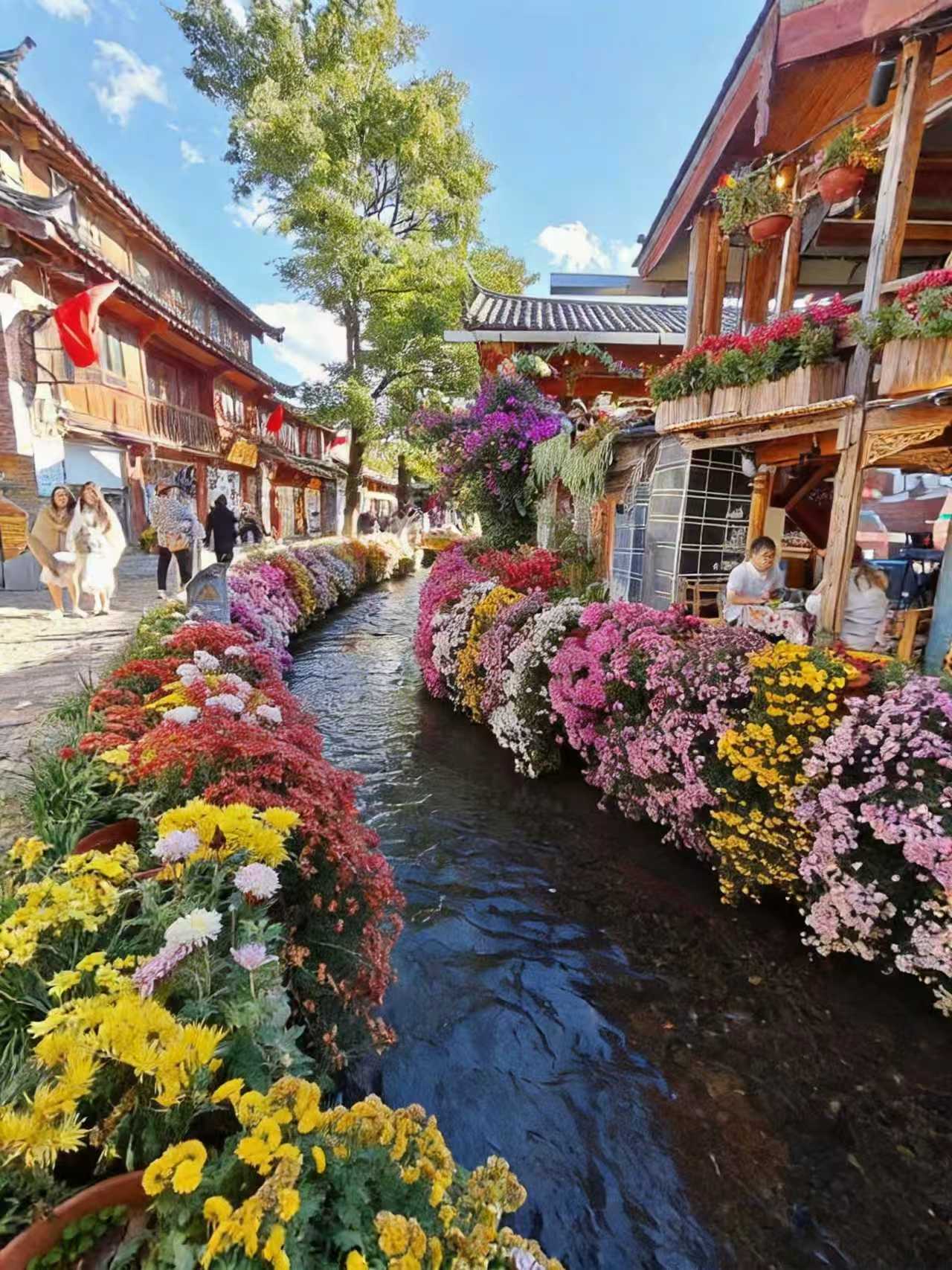
Lijiang is a 2,400-meter altitude old town in northwest Yunnan, founded in the 13th century as the seat of the Naxi (纳西) chieftains and rebuilt almost in place after a magnitude-7 earthquake in February 1996. The reconstruction kept the original cobbled lanes and timber-and-tile courtyards, and in 1997 the UNESCO World Heritage listing followed — partly because of how faithfully the post-quake repairs were done. So when guidebooks call Lijiang "ancient," the buildings you'll actually walk past are mostly 25–30 years old, on top of 700-year-old foundations.
What Lijiang has become
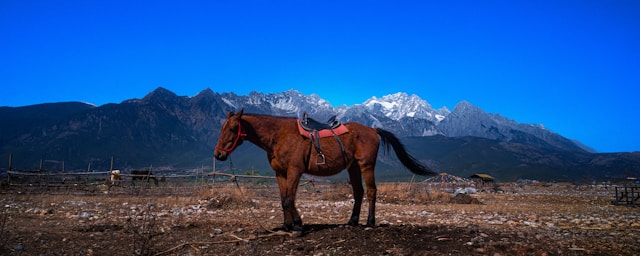
Lijiang is worth coming to. It's also a city you should arrive at with eyes open. In 2000s Chinese pop culture it picked up the nickname 艳遇之都 yànyù zhī dū, "city of romantic encounters" — solo travelers, courtyard guesthouses, the Xinhua Street bar scene. Two decades of that reputation pulled in enough tourism that most of Dayan Old Town has been thoroughly commercialized: chain photo-rental shops, mass-market silver "factories," bars optimized for domestic tour groups, and a noticeable rate of 宰客 zǎikè, "butchering the guest" — quoted prices that quietly multiply once you're seated, on the horse, or holding the silver bracelet.
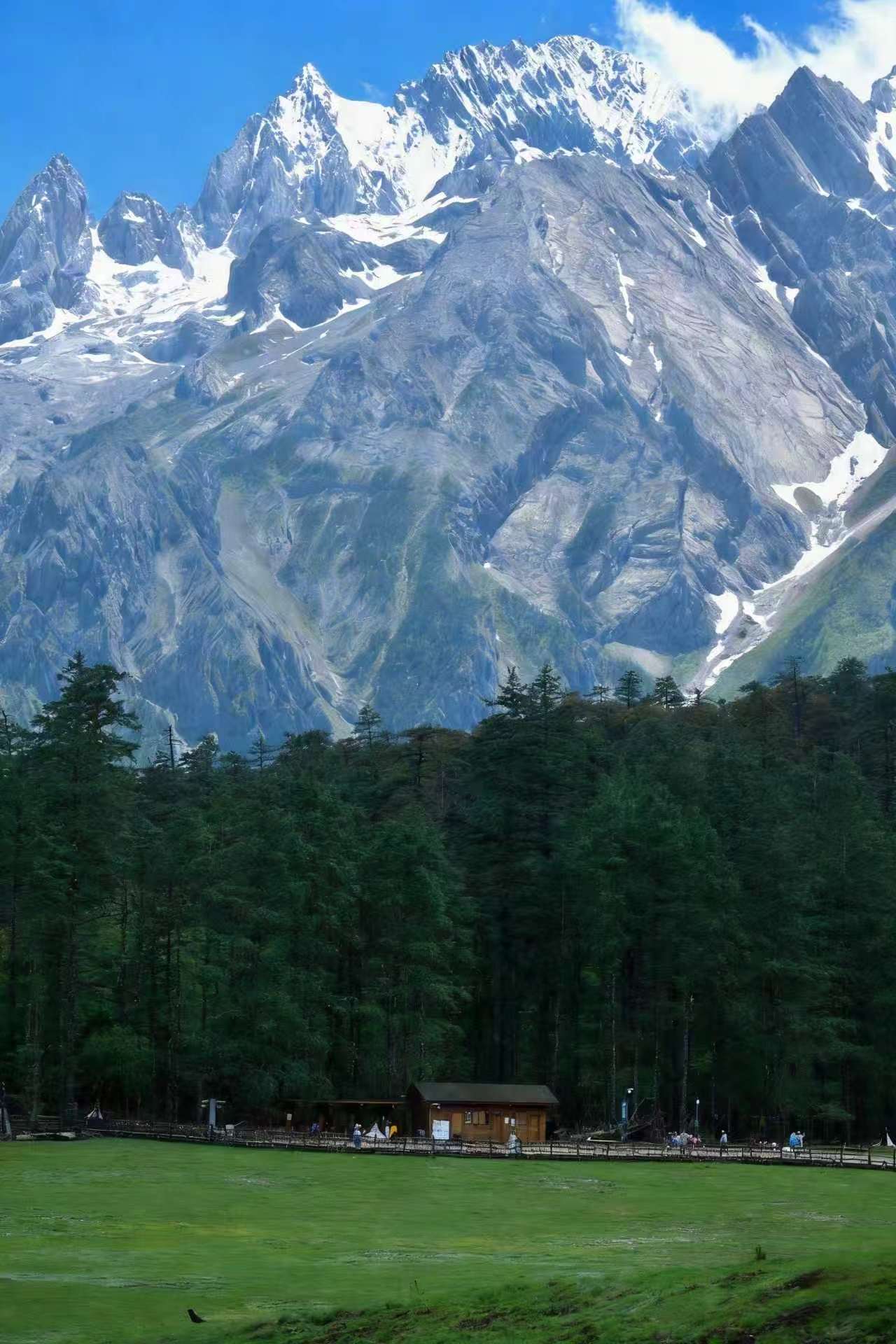
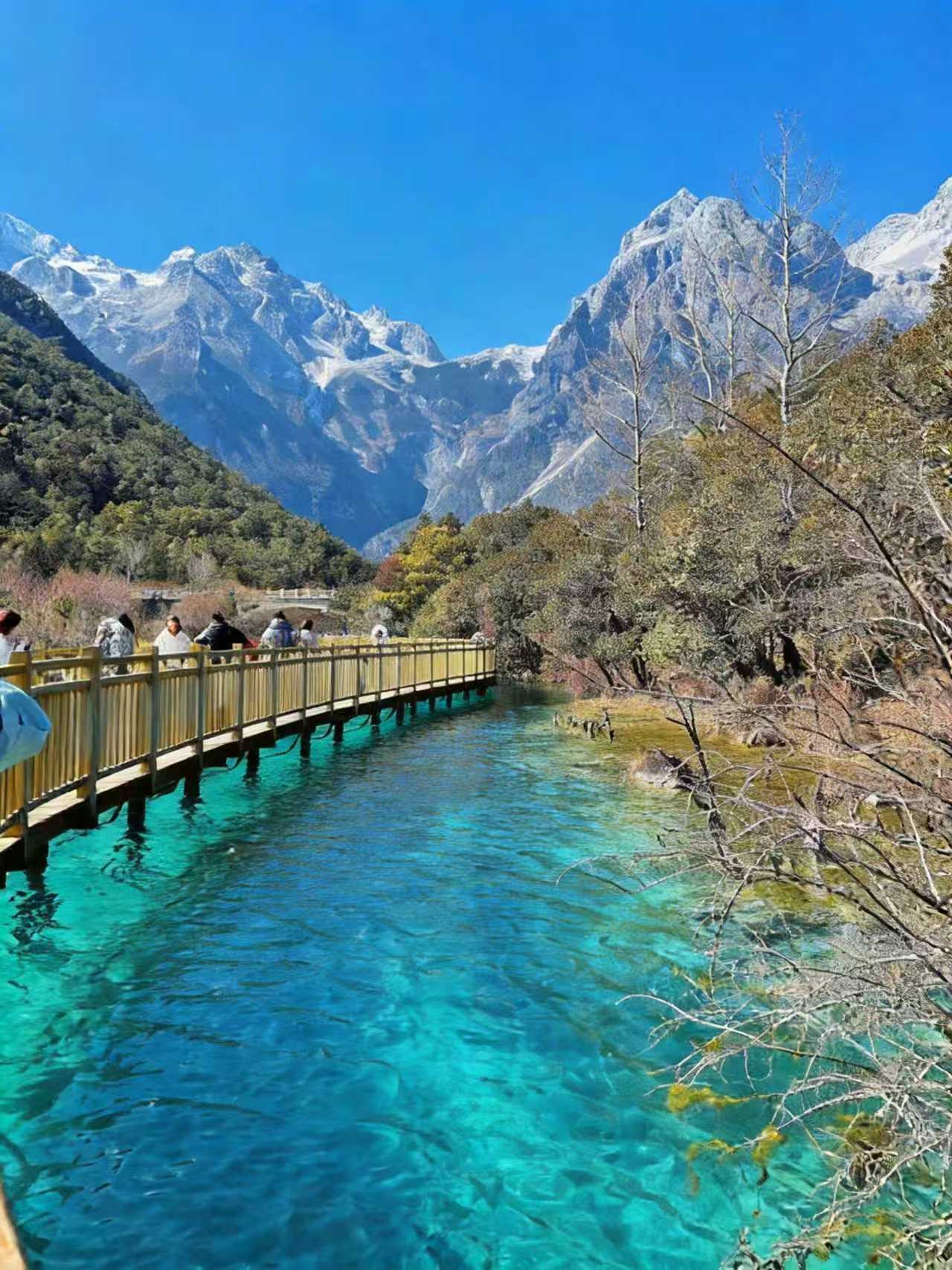
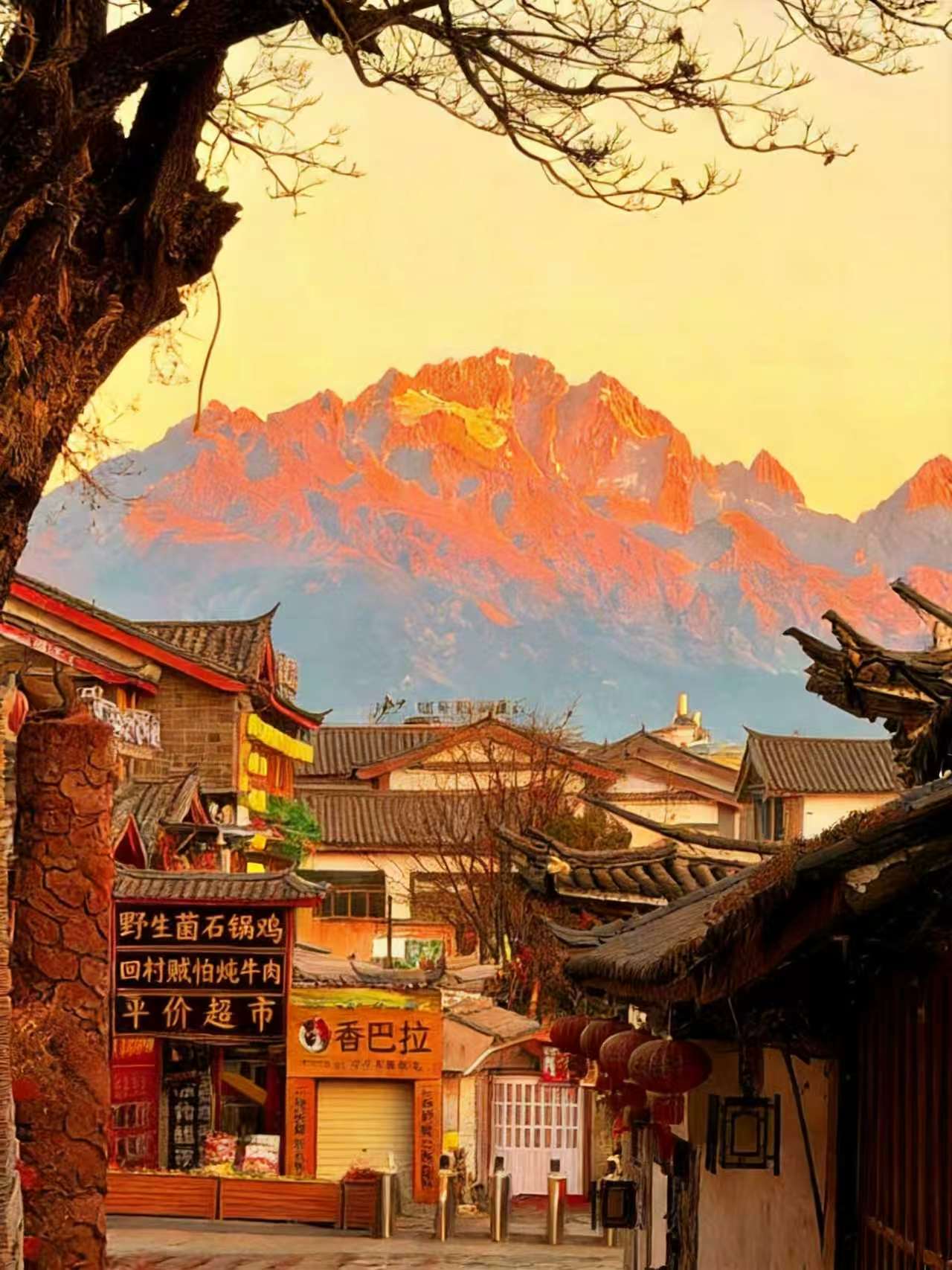
The Naxi heritage is still real. The canals, the architecture, Yulong Snow Mountain on the horizon — none of that has gone away. You just have to know which lanes are postcard and which are markup.
Lijiang isn't one place — it's three
First-timers tend to merge them, but locals talk about them separately:
- Dayan (大研古城) — the big UNESCO-listed core. Most hotels, bars, and crowds are here, and so are the postcard photos.
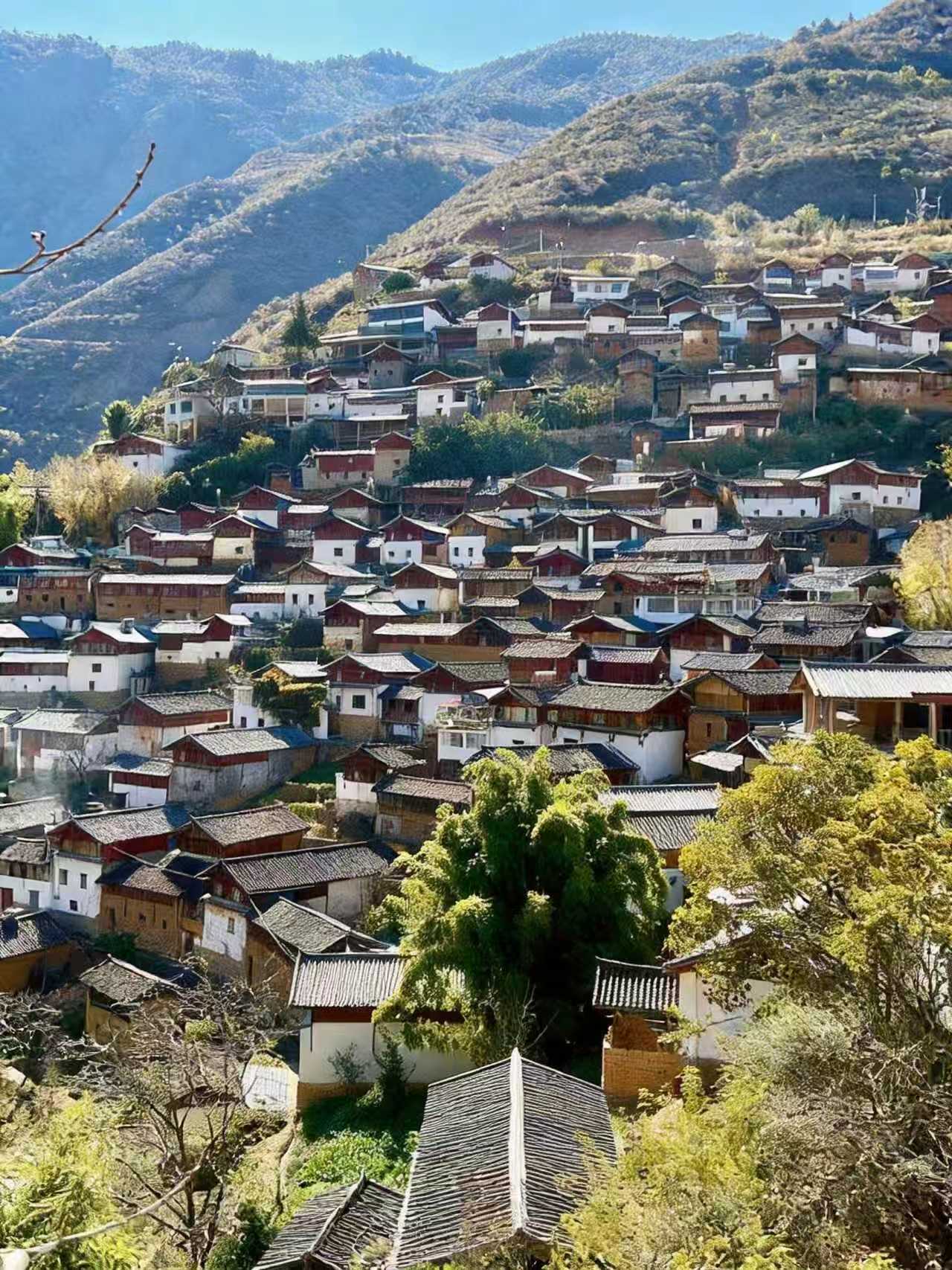
- Shuhe (束河古镇), 4 km north — smaller, quieter, more residential, with the original Tea Horse Road heritage. Many travelers prefer staying here.
- Baisha (白沙村), 10 km north — the original Naxi capital before Dayan, mostly farmland today, famous for the Baisha Frescoes (白沙壁画): 14th–17th-century murals mixing Tibetan, Han, and Naxi Buddhist styles.
Signature experiences
- Lijiang Old Town (Dayan) — UNESCO-listed canal town, car-free, walkable in a morning. Best before 10 AM.
- Yulong Snow Mountain (玉龙雪山) — Glacier Park cable car drops you at 4,506m; a wooden boardwalk climbs to about 4,680m. Tickets must be reserved online a day or two ahead.
- Mu Family Mansion (木府) — restored Naxi chieftain palace, ¥40 entry. The one paid attraction inside the Old Town with real historical substance.
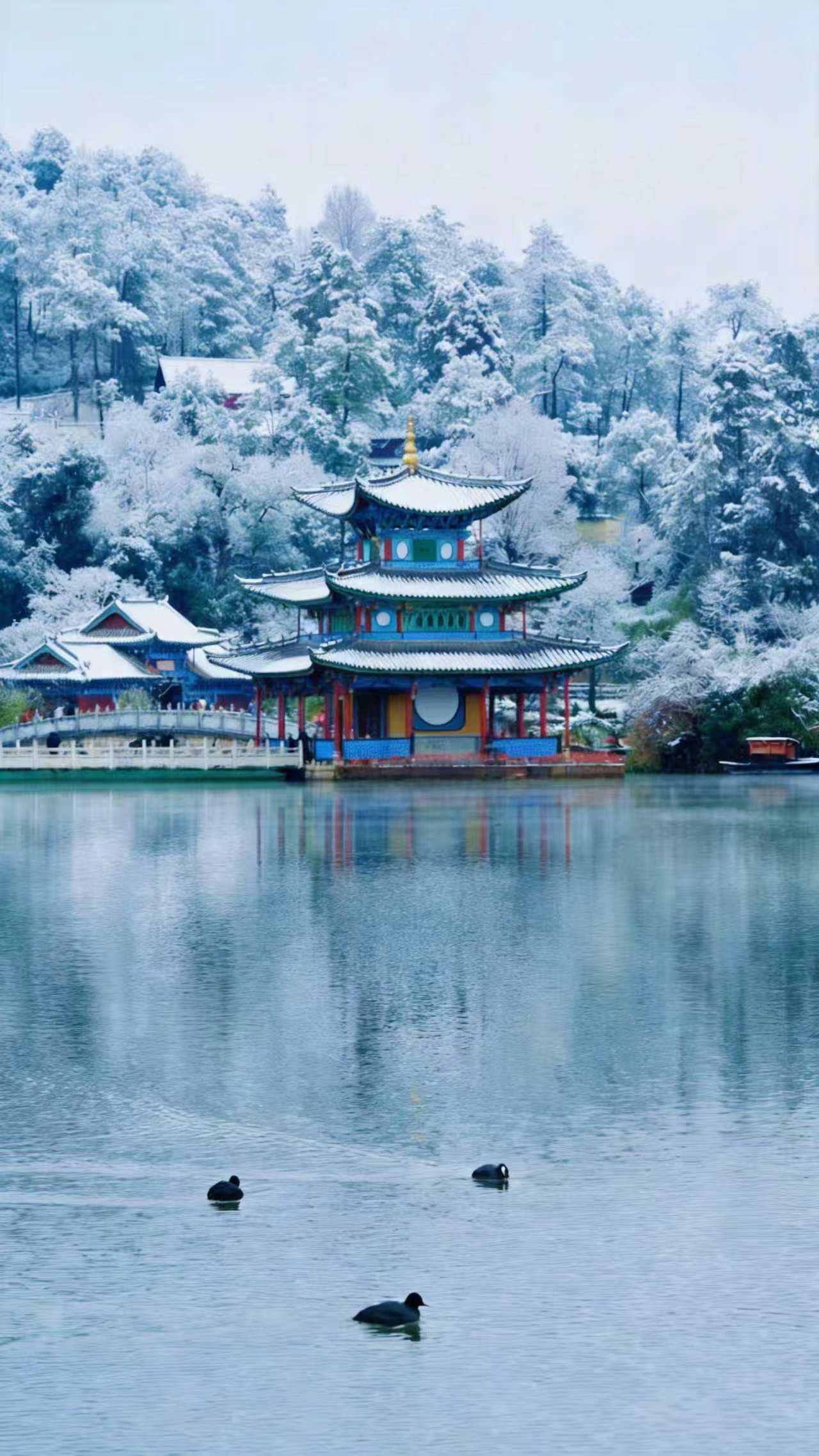
- Black Dragon Pool (黑龙潭) — the classic photo: Five-Phoenix Tower reflected in the pond with Yulong rising behind it.
- Tiger Leaping Gorge (虎跳峡) — 3 hours north, one of the deepest river canyons in the world. Day-trip or 2-day high-trail hike.
How many days
2 days is the standard first-time trip: one easy day in the old towns to acclimatize, one big day at Yulong Snow Mountain. With 3+ days, add Tiger Leaping Gorge, Lugu Lake, Shangri-La, or Dali — each gets its own dedicated guide.
The full day-by-day plan is in The Perfect 2-Day Lijiang Itinerary below.
Quick orientation
- Best time to visit: April–June and September–October. July–August is rainy season — afternoon downpours and low cloud often hide Yulong Snow Mountain entirely. Winter (Dec–Feb) is dry, sunny, and cold (often below 0°C at night), and counterintuitively the clearest season for mountain photos.
- Altitude: Lijiang town is 2,400m — not Lhasa territory (3,650m), but high enough that some travelers feel mild headaches the first night. Yulong's Glacier Park at 4,506m is genuine altitude. Plan a rest day in town before you go up.
- Getting around: The Old Town is car-free during the day; cars drop off at outer gates like Dashuiche (大水车) or Zhongyi Market (忠义市场). Inside, walking is the only option — and the cobbles are slippery in rain, so leave smooth-soled shoes at home.
- Transport in: Lijiang Sanyi Airport (LJG) for direct flights from Beijing, Shanghai, Chengdu, Kunming. By rail, D-train (动车) Kunming→Lijiang ~3.5 hours via Dali — this is not full high-speed rail; Yunnan's 350 km/h network hasn't reached Lijiang yet.
- Payment: Alipay works throughout Lijiang — bars, market stalls, taxis, the Yulong cable car.
Before you plan the details
Lijiang is standard China access — no special permits required. Hotels need passports at check-in, including small courtyard guesthouses, and not all are licensed to host foreigners; book on a platform that filters for foreigner-friendly stays. Bring DiDi, Alipay, and an offline translator.